


Blog

All Buick Envista HOMOSASSA Buick Dealer Buick Enclave Buick Encore GX Buick Envision GMC Sierra GMC Trucks Community Info & Events Eagle Buick GMC GMC SUV GMC Yukon Vehicle Comparison
A mechanic with a smile pours oil into a car engine in a brightly lit garage. The hood is open, and other cars are visible in the background.

How to Change the Oil in Your 2025 Buick Envista

Keeping your 2025 Buick Envista running smoothly starts with regular oil changes. Fresh oil keeps your engine lubricated, prevents overheating, and extends the life of your vehicle. The good news? Changing the oil in your Buick Envista is a straightforward task you can do yourself with the right tools and a little know-how. Whether you’re cruising through Crystal River, Sugarmill Woods, Citrus Hills, or Pine Ridge, staying on top of routine maintenance ensures your Envista performs at its best. In this guide, we’ll walk you through a step-by-step Buick Envista DIY oil change, from draining the old oil to topping off with the right amount of fresh lubricant. If you ever need assistance, the service experts at Eagle Buick GMC are always here to help. Give us a call or stop by—we’ll make sure your 2025 Buick Envista oil change is done right! View Our New Vehicles Get Directions Contact Us Getting Ready to Change the Oil in Your Buick Envista Changing your oil is an important part of vehicle maintenance. It keeps your engine clean, prevents wear, and helps your 2025 Buick Envista run smoothly. If you’re planning to do the job yourself, preparation is key. Before you begin, make sure you have everything you need. This will save time and make the process easier. What You’ll Need Before starting, gather the right tools and supplies. Here’s what you’ll need for a smooth oil change: Fresh Motor Oil – Check your owner’s manual to find the right type and amount of oil for your vehicle. New Oil Filter – A fresh filter is necessary to keep your engine running clean. Wrench Set – You’ll need a wrench to remove and tighten the drain plug. Oil Catch Pan – This will collect the used oil so you can dispose of it properly. Funnel – Helps you pour new oil without making a mess. Gloves and Rags – Oil can get messy, so gloves protect your hands while rags help clean spills. Jack and Jack Stands (if needed) – If your vehicle sits low to the ground, you may need to lift it for better access. Safety First Oil changes are simple, but safety should always come first. Keep these safety tips in mind: Park on a Level Surface – This keeps your car stable and prevents spills. Turn Off the Engine – Let it cool for about 15 minutes to avoid burns from hot oil. Engage the Parking Brake – This ensures your car stays in place while you work. Use Jack Stands If Lifting the Vehicle – Never rely on just a jack. Always use jack stands for extra safety. Taking time to prepare will make your 2025 Buick Envista oil change easier and help prevent mistakes. Once you have everything ready, it’s time to locate the oil drain plug and filter. Locating the Oil Drain Plug and Filter on Your Buick Envista To change the oil, you need to find two key parts: the oil drain plug and the oil filter. Both are located under your vehicle and are essential for removing the old oil. Where to Find Them Oil Drain Plug – This is a small metal bolt located on the bottom of the engine’s oil pan. It allows the old oil to drain out when removed. Oil Filter – The filter is usually a round, canister-shaped part near the engine. It traps dirt and debris to keep oil clean. How to Access Them If your Buick Envista DIY oil change requires more space, raise the vehicle using a jack and secure it with jack stands. Use a flashlight to get a clear view of the drain plug and filter. Position your oil catch pan under the drain plug before loosening it to avoid spills. Once you’ve located these parts, you’re ready to drain the old oil. Draining the Old Oil from Your Buick Envista Removing the old oil is a crucial step in the process. Proper draining ensures that your engine gets fresh, clean oil. Follow these steps to do it correctly. Step-by-Step Guide Place the Oil Catch Pan – Position it directly under the drain plug to catch all the oil. Loosen the Drain Plug – Use a wrench to turn the plug counterclockwise. Be careful, as oil may start flowing quickly. Let the Oil Drain Completely – Wait until the oil slows to a few drips before moving to the next step. This may take a few minutes. Inspect the Drain Plug and Oil Pan – Check for dirt or damage on the plug. Wipe the area clean before reattaching it. Reinstall the Drain Plug – Tighten it securely but do not overtighten, as this can strip the threads. Pro Tips for a Clean Oil Change Warm oil drains faster. If your engine is slightly warm (but not hot), the oil will flow more easily. Be careful of spills. Old oil can be messy, so keep rags nearby. Check for leaks. Before moving on, ensure the drain plug is sealed properly. Once the old oil is fully drained, the next step is replacing the oil filter. Replacing the Oil Filter in Your Buick Envista The oil filter plays a key role in keeping your engine clean. A fresh filter removes dirt and debris from the oil, helping your engine run longer and more efficiently. How to Change the Oil Filter Locate the Old Filter – It is usually near the engine, either on the side or bottom. Use an Oil Filter Wrench – Turn the old filter counterclockwise to loosen it. Be careful—some oil may still be inside. Check the Rubber Gasket – Make sure the rubber seal from the old filter came off. If it’s stuck, remove it. Prepare the New Filter – Apply a small amount of fresh oil to the rubber seal. This helps create a tight seal. Install the New Filter – Screw it on by hand until snug. Avoid using a wrench, as overtightening can cause leaks. Why Replacing the Filter is Important A dirty filter can clog and restrict oil flow. New filters help your engine stay clean and run efficiently. Changing the filter prevents old oil from contaminating fresh oil. With the new filter in place, it’s time to add fresh oil to your engine. Adding New Oil to Your Buick Envista Fresh oil is the final step in your Buick Envista DIY oil change. Adding the correct type and amount of oil is crucial for your engine’s performance. How to Add Oil Remove the Oil Fill Cap – It’s located on top of the engine. Turn it counterclockwise to open. Insert a Funnel – This helps you pour without making a mess. Pour the Correct Amount of Oil – Check your owner’s manual for the required oil capacity. Add it slowly. Check the Oil Level – Use the dipstick to ensure you’ve added enough oil. Replace the Oil Cap – Tighten it securely to prevent leaks. Final Checks Before You’re Done Start the engine and let it run for about a minute. This allows the new oil to circulate. Look under the vehicle for any leaks near the drain plug or filter. Turn off the engine and check the oil level again. If needed, add more oil. Checking the Oil Level in Your Buick Envista After changing the oil, it’s important to check the level. This ensures the engine has the right amount for smooth performance. Checking the oil is simple and only takes a few minutes. How to Check the Oil Level Follow these steps to make sure your oil level is correct: Park on a Level Surface – This gives the most accurate reading. Turn Off the Engine – Wait a few minutes so the oil can settle. Locate the Dipstick – It’s usually near the engine and has a small handle. Pull Out the Dipstick – Wipe it clean with a rag or paper towel. Reinsert the Dipstick – Push it all the way back in, then pull it out again. Check the Oil Level – Look at the markings on the dipstick. The oil should be between the “MIN” and “MAX” lines. Add More Oil If Needed – If the level is low, add a small amount at a time and recheck. What the Oil Should Look Like Clean Oil – Light brown and smooth. Dirty Oil – Dark and thick, which means it’s time for a change. Milky Oil – Could signal a bigger issue like coolant mixing with oil. Keeping the right oil level helps prevent engine damage. It also keeps your car running at its best. Proper Disposal of Old Oil and Oil Filter Used oil and filters should never be thrown in the trash or poured down a drain. They contain harmful chemicals that can pollute the environment. After completing a 2025 Buick Envista oil change, follow these steps to dispose of the waste properly. How to Handle Used Oil Use a Sealable Container – Pour the old oil into a clean plastic or metal container with a secure lid. Do Not Mix with Other Fluids – Keep it separate from coolant, brake fluid, or other substances. Store Safely – Keep the container in a cool, dry place until you can dispose of it properly. How to Dispose of the Oil Filter Let It Drain – Place the old filter upside down over the catch pan for at least 24 hours to remove excess oil. Seal in a Leak-Proof Bag – Once drained, place the filter in a sturdy plastic bag to prevent spills. Recycle It – Many auto shops, service stations, and recycling centers accept used oil filters. Where to Take Used Oil and Filters There are several places that accept used oil and filters for proper disposal. Many auto parts stores allow free drop-offs, but it’s always best to call ahead and confirm. Local recycling centers often have special collection areas for oil waste, and city websites usually list drop-off locations. Some service stations also accept used oil and filters, though they may charge a small fee. By disposing of oil and filters correctly, you help protect the environment and keep harmful waste out of landfills. Always take the time to recycle and follow proper disposal steps. Resetting the Oil Change Light in Your Buick Envista After completing a Buick Envista DIY oil change, you may need to reset the oil change light. This reminder is helpful, but once the oil is fresh, it needs to be turned off. Steps to Reset the Oil Change Light on Your Buick Envision Turn the Ignition to “On” – Do not start the engine. Access the Vehicle’s Info Menu – Use the buttons on the steering wheel. Find the Oil Life Option – Scroll until you see the oil life percentage. Hold the Reset Button – Press and hold for a few seconds until it resets to 100%. Turn the Ignition Off and Restart – The light should be gone. If the light stays on, repeat the steps or check the owner’s manual. Keeping track of oil changes helps your car run well. Resetting the light ensures you get a new reminder at the right time. Additional Tips for Maintaining Your Buick Envista’s Engine Health Regular maintenance keeps your engine running smoothly. Here are a few simple steps to help extend its life. Stick to a Regular Oil Change Schedule Follow the recommended mileage or time frame in the owner’s manual. Check oil levels monthly to ensure proper lubrication. Use the Right Oil and Parts Always use the correct oil type for the best performance. Replace the oil filter with every oil change. Watch for Warning Signs Low oil pressure light? Check the oil level immediately. Strange engine noises? Dirty or low oil could be the cause. Excess smoke from the exhaust? This may signal an oil-related issue. Keep an Eye on Other Fluids Transmission, coolant, and brake fluids also affect engine health. Check these levels regularly and refill if needed. Taking these small steps can make a big difference. A well-maintained engine lasts longer and performs better. What type of oil is recommended for the 2025 Buick Envista? The 2025 Buick Envista requires fully synthetic oil with a dexos1™ Gen 3 certification. The recommended viscosity is 0W-20 for optimal engine protection and efficiency. How often should I change the oil in my Buick Envista for optimal performance? Buick recommends changing the oil in the 2025 Envista every 7,500 to 10,000 miles under normal driving conditions. If you drive in extreme temperatures, stop-and-go traffic, or tow frequently, consider changing it closer to 5,000 miles. What tools and supplies are needed for a DIY Envista oil change? To change the oil in your Buick Envista, you’ll need: Oil filter wrench Socket wrench (typically 15mm for the drain plug) Oil drain pan New oil filter (OEM recommended) 5 quarts of 0W-20 fully synthetic oil Funnel Shop rags or paper towels Gloves (optional, but recommended) Regular oil changes are one of the best ways to extend the life of your Buick Envista and keep it performing at its best. If you have any other questions about maintenance, consult your owner’s manual or reach out to a certified Buick service center. Get an Oil Change on Your Buick Envista at Eagle Buick GMC Changing the oil in your 2025 Buick Envista is an essential part of vehicle maintenance. If you're not quite ready to tackle the task yourself, don't worry! Our team at Eagle Buick GMC is here to help with expert advice and services. Whether you’re from Crystal River, Sugarmill Woods, Citrus Hills, or Pine Ridge, we invite you to visit us and explore our extensive selection of vehicles, including the 2025 Buick Envista. If you want to learn more about other Buick models, check out our detailed guides like how to change the oil in your 2025 Buick Envision or how to perform an oil change in your 2025 Buick Encore GX. We also offer tips for maintaining your 2025 GMC Acadia, so you're always prepared to care for your vehicle. If you have any questions or need assistance, don't hesitate to contact us. We're happy to provide guidance on vehicle maintenance and help you find the perfect vehicle for your needs. Get Directions to Eagle Buick GMC Disclaimer: All information is provided for general informational and entertainment purposes only. While we strive for accuracy, we cannot guarantee that all content is complete, current, or error-free. Any reliance you place on such information is strictly at your own risk. This article may include opinions and is not endorsed by, or officially affiliated with, any vehicle manufacturer or brand. Always consult official sources – such as the vehicle’s owner’s manual, authorized dealerships, or certified professionals – for the most up-to-date and personalized information.

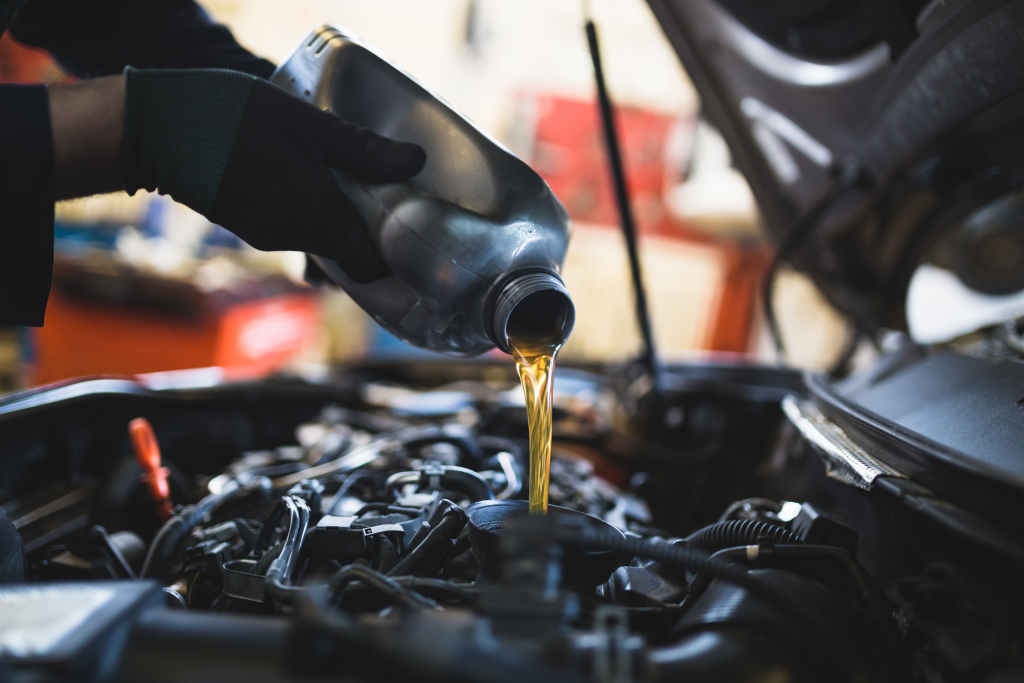
Gloved hands pour engine oil from a gray container into a car's open engine bay, conveying precision and maintenance in an automotive setting.

How to Change the Oil in Your 2025 Buick Envision

Changing the oil in your 2025 Buick Envision is one of the most essential maintenance tasks you can do to keep your vehicle running smoothly and performing at its best. Whether you're a seasoned DIYer or a first-time oil changer, the process is simple, rewarding, and something you can do right in your driveway. With just a few basic tools and the right know-how, you can extend the life of your Envision’s engine and maintain its peak efficiency. In this guide, we’ll walk you through every step of the oil change process—from gathering the right materials to disposing of the old oil. If you'd prefer to leave the work to the experts, the team at Eagle Buick GMC in Crystal River is always ready to help. We offer quick and reliable oil change services to ensure your 2025 Buick Envision stays in top condition. Visit us today or give us a call to schedule your next oil change, and let us take the hassle out of vehicle maintenance so you can enjoy a smooth and worry-free driving experience. View Our New Vehicles Get Directions Contact Us The Importance of Regular Oil Changes for Your 2025 Buick Envision Regular oil changes are one of the most essential steps in keeping your 2025 Buick Envision running at peak performance. The oil in your engine serves as a lubricant for all the moving parts, reducing friction and preventing damage. As the oil circulates through the engine, it picks up heat and contaminants that could cause wear. Over time, the oil breaks down, and its ability to protect the engine diminishes. If you don’t change the oil regularly, your engine can suffer from excess friction, heat buildup, and ultimately, premature wear. An oil change does more than just ensure your engine is protected. Fresh oil improves fuel efficiency, allowing your vehicle to perform better and save you money at the gas pump. Additionally, regular oil changes can help maintain the overall health of your engine, extending its lifespan. When you change the oil in your Envision regularly, you prevent sludge and contaminants from building up, which helps your engine run smoother and more efficiently. Benefits of Regular Oil Changes: Protects Engine Parts: Clean oil reduces friction and keeps engine parts from wearing out. Improves Fuel Efficiency: Fresh oil helps the engine run smoothly, reducing fuel consumption. Prevents Overheating: Oil helps to absorb heat, reducing the chances of engine overheating. Extends Engine Life: Regular oil changes prevent wear, improving the long-term performance and lifespan of your engine. When it comes to maintaining your 2025 Buick Envision, regular oil changes should be at the top of your to-do list. When Is It Time to Change the Oil in Your Buick Envision? Knowing when to change the oil in your Buick Envision is just as important as actually performing the oil change. Your Envision is designed for maximum performance, and the oil is a vital component in keeping it running smoothly. The oil in your vehicle loses its ability to lubricate and clean as it ages, which can cause long-term damage if left unchanged. Fortunately, it’s easy to tell when your oil needs changing. Common Signs You Need an Oil Change: Dark, Dirty Oil: Fresh oil is amber or light brown. When it becomes dark and gritty, it’s time for a change. Engine Noise: A noticeable increase in engine noise could indicate the oil is no longer properly lubricating the engine. Oil Change Light: Most vehicles, including the Buick Envision, have an oil change light that activates when the oil needs changing. Burning Oil Smell: If you notice a burning smell or see smoke coming from the engine, it could indicate old oil or a leak. Your driving conditions also play a major role in determining when to change the oil. For example, frequent short trips, extreme temperatures, heavy towing, or stop-and-go driving can all accelerate oil breakdown. In these cases, you may need to change the oil more often, even if you haven’t reached the mileage threshold. Be sure to follow your owner’s manual for specific guidelines on how often to change your oil based on your driving habits. Tools and Materials You’ll Need for a 2025 Buick Envision Oil Change Before you begin your oil change, it's important to gather all the necessary tools and materials. By being prepared, you can complete the oil change in a timely manner without any interruptions. Below are the tools and materials you will need to change the oil in your 2025 Buick Envision. Tools Needed: Oil Filter Wrench: This tool will help you easily remove the old oil filter from your Envision without damaging it. Socket Set: A socket set is necessary to remove the oil drain plug. Make sure you have the right size to avoid stripping the bolt. Funnel: A funnel is helpful to avoid spilling oil while adding the new oil to the engine. It will also make the job cleaner. Oil Drain Pan: This pan is where you will drain the used oil, ensuring that it’s contained properly for disposal. Materials Needed: New Oil: It’s important to use the correct type and quantity of oil recommended for your Envision. Check the owner's manual for specifications, but generally, the 2025 Buick Envision requires 5W-30 oil. The oil capacity is around 4.2 quarts, but always refer to your manual to verify. New Oil Filter: Replacing the oil filter ensures that the oil circulating through your engine remains clean. Use an oil filter designed specifically for your Buick Envision. Oil Additives (optional): Some drivers opt to add engine oil additives for extra protection or to improve performance. Check your vehicle's manual to see if additives are recommended or necessary. Having the right tools and materials on hand ensures that your oil change goes smoothly, without any delays. A Step-by-Step Guide to Changing the Oil in Your 2025 Buick Envision Changing the oil in your Envision doesn’t have to be a complicated process. Follow these step-by-step instructions to perform a successful oil change. Preparation: Park your Envision on a level surface and turn off the engine. Let the vehicle cool for about 15-20 minutes to avoid burns from hot oil. Gather your tools and materials. Check the oil level and make sure you have enough oil to refill the engine. Lifting the Vehicle (if necessary): If you need more room under your vehicle, use a jack to lift the front of your Envision and secure it with jack stands. Ensure the vehicle is stable before proceeding. Draining the Old Oil: Place your oil drain pan under the oil pan’s drain plug. Using your socket set, carefully remove the oil drain plug. Allow the oil to drain completely into the pan. It might take several minutes for all the oil to drain. Once the oil has drained, replace and tighten the drain plug securely. Be sure not to overtighten it. Replacing the Oil Filter: Locate the oil filter on your Envision. You may need to reach under the vehicle or from above the engine, depending on your car’s configuration. Use the oil filter wrench to loosen and remove the old oil filter. Before installing the new oil filter, apply a thin layer of fresh oil to the rubber gasket of the new filter. This ensures a proper seal. Install the new oil filter by hand, tightening it until it’s snug. Do not overtighten. Adding Fresh Oil: Open the hood of your Envision and remove the oil filler cap. Position your funnel over the oil fill hole and pour the new oil slowly to avoid spilling. Use the oil quantity recommended in the owner’s manual. Replace the oil filler cap securely once the oil has been added. Checking the Oil Level: Start the engine and let it run for about 2-3 minutes. This helps circulate the oil throughout the engine. Turn off the engine, wait a minute, and check the oil level using the dipstick. Add more oil if necessary to reach the recommended level. Disposing of the Old Oil: Pour the used oil from the drain pan into a sealed container. Take the old oil and filter to a local recycling center or auto parts store. Many places accept used oil and filters for recycling. Recommended Oil Change Schedule for the 2025 Buick Envision Maintaining a regular oil change schedule is one of the best things you can do to prolong the life of your 2025 Buick Envision. Following the recommended oil change intervals helps ensure your engine is always running smoothly. Recommended Oil Change Intervals: Under Normal Driving Conditions: Change the oil every 5,000 to 7,500 miles or as recommended by your owner’s manual. Under Severe Driving Conditions: If you frequently drive in heavy traffic, tow, or experience extreme temperatures, consider changing the oil every 3,000 to 5,000 miles. It’s important to follow these intervals to avoid engine damage and keep your Envision running at its best. Regular oil changes also help maintain engine performance and fuel efficiency, saving you money in the long run. Stick to this schedule and keep your Envision in top condition for years to come. Tips for Maintaining Your 2025 Buick Envision’s Engine Health Taking care of your engine goes beyond changing the oil. Proper maintenance is key to ensuring your 2025 Buick Envision runs smoothly for years. Keeping your engine in top shape can save you money on repairs and improve performance. Here are some simple tips to maintain your engine health. 1. Regular Oil Changes: The most important step in maintaining engine health is regular oil changes. Clean oil reduces friction and prevents excessive wear on the engine. Make sure to change the oil in your Envision at the recommended intervals. If you're unsure, refer to your owner’s manual for guidance. 2. Monitor Oil Levels: Checking your oil levels regularly is essential. Low oil levels can cause the engine to run dry and increase wear. If the oil level drops, top it up as needed. Don’t wait for the oil change to check. Doing it every few weeks helps keep the engine lubricated and running smoothly. 3. Use the Right Oil: Your Envision is designed to run on a specific type of oil. Always use the oil recommended by the manufacturer. The right oil protects the engine from wear and maintains efficiency. Check the manual for oil type and viscosity recommendations to keep your engine in optimal condition. 4. Keep the Air Filter Clean: A clean air filter is vital for engine health. A clogged air filter can reduce airflow to the engine, causing it to work harder. This leads to reduced performance and increased fuel consumption. Check the air filter regularly and replace it when it gets dirty or clogged. 5. Keep the Cooling System in Check: The cooling system prevents your engine from overheating. Check the coolant levels regularly and ensure the radiator is free from debris. If the coolant is low, top it up to avoid engine damage. A well-maintained cooling system ensures your engine stays cool and runs efficiently. 6. Change the Fuel Filter: A clean fuel filter keeps dirt and debris from entering the engine, helping it run smoothly. Over time, the fuel filter can become clogged. If it’s not changed regularly, your engine can experience performance issues. Keep the fuel filter in good condition to avoid problems down the road. 7. Maintain the Battery: A healthy battery ensures smooth starts and reliable engine performance. Check the battery terminals for corrosion and clean them as needed. If the battery is old or losing charge, replace it to avoid being stranded. Regularly inspect the battery to ensure it’s in good working condition. 8. Drive Smart: How you drive also affects the health of your engine. Avoid sudden starts and stops, and refrain from overloading the vehicle. Gentle acceleration and deceleration can reduce strain on the engine and prolong its life. By following these tips, you’ll keep your engine running efficiently. Regular maintenance ensures your Envision stays in top shape, saving you money on costly repairs. Take the time to care for your engine, and it will continue to deliver excellent performance for many years. Frequently Asked Questions About Maintaining Your 2025 Buick Envision To ensure the longevity and performance of your 2025 Buick Envision, it's important to address common questions about maintenance and service. Below are answers to frequently asked questions that may help guide your oil change process and vehicle care. Where can I find the oil filter on a 2025 Buick Envision? The oil filter on the 2025 Buick Envision is located on the lower side of the engine, near the oil pan. It can be accessed from under the vehicle for easy removal and replacement. Is full synthetic recommended for the Envision’s engine? Yes, full synthetic oil is recommended for the 2025 Buick Envision’s engine. Synthetic oil provides superior lubrication and performance, which helps protect the engine from wear and improves fuel efficiency. Do I need to update any service logs or maintenance records in the infotainment system after an oil change? Yes, after performing an oil change, it’s a good practice to update the maintenance records in the Envision’s infotainment system. This helps you keep track of service history and may be useful for future reference or resale value. Explore More with Eagle Buick GMC At Eagle Buick GMC, we’re here to help you keep your 2025 Buick Envision running smoothly. If you need more guidance on maintaining your Envision or any other service, feel free to reach out to our team. We’re always happy to assist customers from Crystal River, Sugarmill Woods, Citrus Hills, and Pine Ridge with all their vehicle needs. Looking for a new ride? Visit us today and explore our wide selection of vehicles, including the stylish and efficient 2025 Buick Envision. While you’re here, check out how the Buick Envista compares to the Chevy Trax, or learn more about the seating capacities in the 2025 Buick lineup. You might even be interested in the colors available on the 2025 Buick SUVs. We have something for everyone, and our knowledgeable staff can help you find the perfect fit! Get Directions to Eagle Buick GMC Disclaimer: All information is provided for general informational and entertainment purposes only. While we strive for accuracy, we cannot guarantee that all content is complete, current, or error-free. Any reliance you place on such information is strictly at your own risk. This article may include opinions and is not endorsed by, or officially affiliated with, any vehicle manufacturer or brand. Always consult official sources – such as the vehicle’s owner’s manual, authorized dealerships, or certified professionals – for the most up-to-date and personalized information.
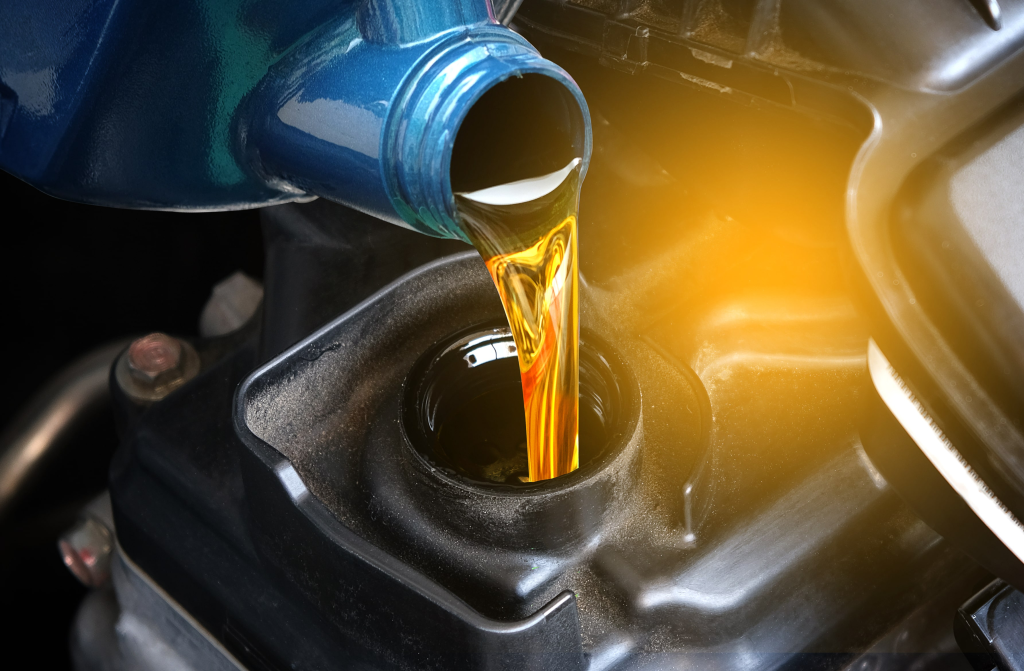
Pouring golden motor oil from a blue container into an engine, with a warm glow illuminating the scene, conveying care and maintenance.

How to Change the Oil in Your 2025 Buick Encore GX

Changing the oil in your 2025 Buick Encore GX might seem like a daunting task, but with a little guidance and the right tools, it’s a straightforward process that can save you time and money. Regular oil changes are crucial for keeping your engine running smoothly, improving performance, and ensuring the longevity of your vehicle. Whether you're a seasoned DIYer or a first-timer, this step-by-step guide will show you exactly how to tackle the job with ease. If you ever find yourself in need of professional assistance or want to make sure your Encore GX is getting the best care, don’t hesitate to visit or contact us at Eagle Buick GMC. Our knowledgeable team is here to help you with all your maintenance needs in Crystal River, Sugarmill Woods, Citrus Hills, or Pine Ridge. Let’s get started on keeping your Encore GX in top shape! View Our New Vehicles Get Directions Contact Us Understanding the Importance of Regular Oil Changes Changing the oil in your 2025 Buick Encore GX is essential for keeping the engine in top condition. Regular oil changes provide a simple, yet effective, way to protect the engine and ensure it runs smoothly. The engine oil lubricates the many moving parts in your vehicle’s engine, which helps to reduce friction and wear. Without regular oil changes, your vehicle's performance could suffer, and you might face costly repairs down the road. Here are the top reasons why regular oil changes are so important: Engine Protection: Fresh, clean oil acts as a lubricant for the engine's components. It creates a thin barrier between parts like pistons, camshafts, and crankshafts, reducing friction. Without this lubrication, these parts would wear down quickly, causing damage to the engine. Improved Performance: Over time, oil can become thick and less effective at lubricating the engine. This can cause the engine to work harder, decreasing fuel efficiency and overall performance. By keeping the oil fresh, you ensure your engine works at peak efficiency. Extended Engine Life: Oil degrades and collects impurities over time. If left unchanged, it can form sludge that clogs engine parts, resulting in premature engine wear and potentially costly repairs. Regular oil changes prevent this buildup and extend the life of your engine. Prevents Overheating: Oil helps keep the engine cool by absorbing heat generated by the moving parts. As oil gets older, it loses its ability to dissipate heat effectively, which can cause the engine to overheat. Changing your oil at the recommended intervals ensures optimal cooling. For your 2025 Buick Encore GX, maintaining a regular oil change schedule is crucial. Check your owner's manual for the recommended oil change intervals, and remember that maintaining clean oil is an easy and affordable way to keep your engine running smoothly for years to come. Essential Tools and Materials for Your Oil Change Before you begin the oil change, it's important to gather all the necessary tools and materials. Having the right tools on hand will make the process much easier and ensure that you don’t have to stop halfway through. Here’s a list of the essential items you’ll need to complete the oil change for your 2025 Buick Encore GX: Engine Oil: Check your owner's manual for the correct type and viscosity of oil for your Encore GX. Make sure you purchase high-quality oil to ensure maximum protection for your engine. Encore GX Oil Filter: The oil filter plays a vital role in removing contaminants from the oil as it circulates through the engine. Make sure to purchase a filter that is compatible with your vehicle. High-quality filters ensure better filtration and longer-lasting performance. Oil Change Tool Kit: You’ll need the following tools to perform the oil change: Wrench Set: For loosening the drain plug. Oil Filter Wrench: This tool helps loosen the oil filter when it’s tight. Funnel: A funnel will help you pour the new oil without spilling it. Drain Pan: To collect the old oil as it drains out of the engine. Rags or Paper Towels: Keep some rags or paper towels handy to clean up any spills or wipe your hands during the process. Jack and Jack Stands: If your Encore GX sits too low to the ground, you’ll need a jack to lift it safely. Always use jack stands once the car is lifted to ensure stability and safety while you work underneath. Once you’ve gathered all your materials, you’ll be ready to start the oil change process. Make sure to double-check that you have everything on hand before you begin. Preparing Your Vehicle for the Oil Change Proper preparation is crucial before diving into an oil change. Follow these steps to ensure your 2025 Buick Encore GX is ready for the oil change process: Park on Level Ground: Always park your vehicle on a flat surface to avoid any spills while draining the oil. This also ensures your car remains stable during the oil change. Parking on level ground helps the oil drain evenly from the engine, ensuring you remove as much old oil as possible. Turn Off the Engine: If the engine has been running, allow it to cool down for about 10-15 minutes. Hot oil can burn you, and working with hot oil may cause safety hazards. A cooler engine also helps the oil drain more quickly and efficiently. Gather Materials: Having your tools within arm’s reach can save time and frustration. Set up your workspace by laying down newspapers or plastic sheets to protect the ground from any potential spills. Lift the Vehicle (if necessary): If you find it difficult to reach the oil pan or drain plug, you may need to lift the car. Use a jack to raise the car off the ground, and always make sure to use jack stands to hold the vehicle in place. Never rely solely on the jack for support. Once your vehicle is prepared and your materials are within reach, you’re all set to begin the oil change process. Step-by-Step Guide to Changing the Oil Changing the oil in your 2025 Buick Encore GX is a straightforward process when done step by step. Follow these instructions carefully, and you’ll be able to perform the oil change with confidence: 1. Drain the Old Oil: Locate the Oil Drain Plug: Consult your owner’s manual to find the exact location of the drain plug under your Encore GX. Position the Drain Pan: Place your drain pan directly under the drain plug to catch the old oil. Remove the Drain Plug: Use a wrench to loosen and remove the drain plug. Be cautious as the oil might be hot, so let it drain into the pan completely. Replace the Drain Plug: Once all the oil has drained, wipe the area clean. Carefully screw the drain plug back in place and tighten it securely. 2. Replace the Oil Filter: Locate the Oil Filter: The oil filter is usually located near the engine block. You may need to remove other components to gain access, depending on your Encore GX’s setup. Remove the Old Filter: Use an oil filter wrench to loosen and remove the old filter. Some oil will spill out, so have a rag ready to catch any drips. Prepare the New Oil Filter: Apply a small amount of new oil to the rubber gasket of the new filter. This will help create a better seal when you install it. Install the New Filter: Hand-tighten the new oil filter into place. Be sure not to over-tighten it, as this could damage the filter or the engine. 3. Add New Oil: Remove the Oil Filler Cap: The oil filler cap is located on top of the engine. Remove it to allow space for the new oil. Use a Funnel: Place the funnel in the oil filler hole and carefully pour in the recommended amount of oil. Check your owner’s manual for the exact capacity for your vehicle. Replace the Oil Filler Cap: After pouring in the oil, replace and tighten the filler cap. 4. Check the Oil Level: Start the Engine: Turn on the engine and let it run for a minute. This will allow the new oil to circulate through the system. Check for Leaks: After running the engine, check the area around the oil filter and drain plug for any signs of leaks. If there’s a leak, tighten the components and recheck. Check the Oil Level: Turn off the engine and wait a few minutes. Use the dipstick to check the oil level. Wipe it clean, reinsert it, and remove it again to see the oil level. If necessary, add more oil until it reaches the optimal level. By following these simple steps, your Buick Encore GX will have fresh oil that keeps the engine running smoothly and efficiently. Proper Disposal of Old Oil and Filters Once your oil change is complete, it’s important to dispose of the used oil and filter in an environmentally-friendly way. Here’s how you can properly dispose of the old oil and oil filter: Recycle the Used Oil: Used oil is harmful to the environment and must be disposed of properly. Many auto parts stores and recycling centers accept used oil. Pour the oil into a sealed container, and drop it off at a nearby recycling center. Dispose of the Oil Filter: Oil filters also contain oil and must be disposed of responsibly. Place the old filter in a sealed plastic bag and drop it off at the same recycling center or auto parts store where you recycle the oil. Proper disposal of old oil and filters helps protect the environment and ensures that harmful substances are handled correctly. Never dispose of used oil in regular trash or pour it down the drain. Tips for Maintaining Your 2025 Buick Encore GX Taking care of your 2025 Buick Encore GX is essential for keeping it running smoothly for years to come. Regular maintenance not only improves your vehicle's performance but also helps prevent expensive repairs. Here are some easy tips to ensure your Encore GX stays in top condition: Perform Regular Oil Changes: Regular oil changes are key to maintaining the engine's health. Whether you're doing a DIY oil change or taking your Encore GX to a professional, make sure to follow the manufacturer's recommended oil change intervals. Fresh oil keeps the engine running smoothly and prevents unnecessary wear. Check Tire Pressure and Tread: Low tire pressure can reduce fuel efficiency and cause uneven tire wear. Check your tire pressure regularly, and make sure to inflate tires to the proper level. Also, inspect the tread on your tires. If the tread is low, it's time to replace them to ensure safe driving. Inspect Fluid Levels: Besides engine oil, other important fluids need regular checking, including coolant, transmission fluid, brake fluid, and power steering fluid. Low fluid levels can lead to engine overheating or braking issues. Keeping these fluids topped up helps ensure your Encore GX operates smoothly. Replace Air Filters: Clean air filters are essential for engine efficiency. A clogged air filter can reduce airflow, making the engine work harder. Replace your air filter regularly to maintain optimal performance and fuel efficiency. Maintain the Battery: The battery is an essential part of your vehicle’s electrical system. Make sure to inspect the battery regularly for corrosion or leaks. If your battery is over three years old, have it tested to ensure it’s still holding a charge. Clean the battery terminals and ensure the battery is securely fastened. Keep the Exterior Clean: Regular car washes protect the paint job and prevent dirt or road salt from causing damage. If you live in an area with harsh winters, consider waxing your vehicle a few times a year to add an extra layer of protection to the paint. Check the Brakes: The brakes are one of the most important safety features of your vehicle. If you notice any strange noises, vibrations, or reduced braking power, have your brake pads and system checked immediately. Regular maintenance of the braking system ensures your safety on the road. Pay Attention to Warning Lights: If any warning lights come on in your Buick Encore GX, don’t ignore them. Whether it’s for the engine, brakes, or oil pressure, it’s important to address these issues promptly to avoid more serious problems down the road. By following these simple maintenance tips, you can keep your Buick Encore GX running at its best. Whether you're tackling a DIY oil change or taking your vehicle in for a service check, staying on top of routine maintenance ensures your vehicle stays reliable for years to come. Frequently Asked Questions About Maintaining Your 2025 Buick Encore GX It's important to address common questions about maintaining your 2025 Buick Encore GX to ensure you're following the right steps and keeping your vehicle in top condition. Here are the answers to some frequently asked questions regarding oil changes and vehicle maintenance. Does the Encore GX use the same oil type across all trims? Yes, the 2025 Buick Encore GX uses the same oil type across all trims. Refer to your owner’s manual for the recommended oil type and viscosity, which is typically synthetic 5W-30 or a similar option depending on the climate. How do I properly dispose of old engine oil after changing it? Do not dispose of old engine oil in the trash or pour it down the drain. Take the used oil and filter to a recycling center, auto parts store, or a service shop that accepts used oil for recycling. Many locations offer this service for free or at a small fee. Are there any warning lights that need resetting besides the oil life monitor? Yes, besides the oil life monitor, you may need to reset other warning lights if they turn on after maintenance. For example, if you replace the oil filter or perform any service that affects the vehicle's sensors, you might need to reset the tire pressure monitor or the check engine light. Always consult the owner’s manual or have your vehicle checked by a professional if warning lights persist. Keep Your Buick Encore GX Running Smoothly with Eagle Buick GMC When it comes to maintaining your 2025 Buick Encore GX, regular oil changes are key to keeping your engine running smoothly. If you’re unsure about any of the steps or need help finding the right tools, Eagle Buick GMC is here to assist you. Whether you're from Crystal River, Sugarmill Woods, Citrus Hills, or Pine Ridge, our team can guide you through the process or help you find the right maintenance solutions for your vehicle. In addition to expert service, we invite you to explore our wide selection of vehicles, including the Buick Encore GX. Ready for your next vehicle? We also have insightful content available, such as understanding what to do if your GMC is rattling while driving, the pros and cons of the 2025 Buick Envision's InLine engine, and how to identify the different GMC Yukon front grills. Feel free to dive deeper into those topics to learn more about your vehicle and its performance. For more information or if you have any questions, don’t hesitate to contact us or stop by Eagle Buick GMC. We're here to ensure your Buick Encore GX stays in top shape! Get Directions to Eagle Buick GMC Disclaimer: All information is provided for general informational and entertainment purposes only. While we strive for accuracy, we cannot guarantee that all content is complete, current, or error-free. Any reliance you place on such information is strictly at your own risk. This article may include opinions and is not endorsed by, or officially affiliated with, any vehicle manufacturer or brand. Always consult official sources – such as the vehicle’s owner’s manual, authorized dealerships, or certified professionals – for the most up-to-date and personalized information.
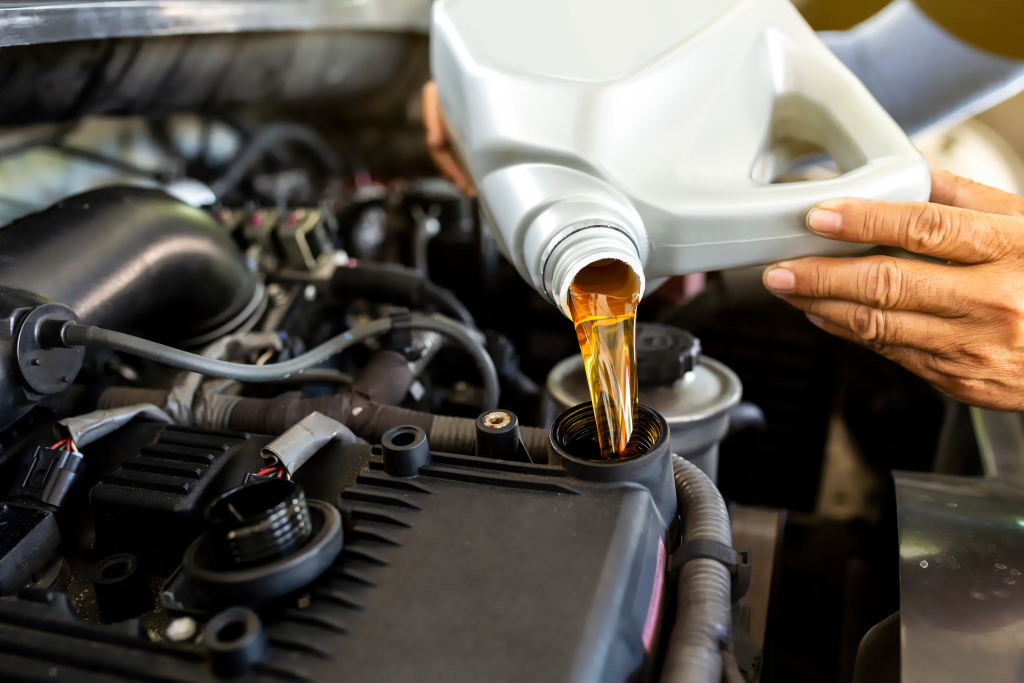
Close-up of hands pouring golden engine oil from a gray bottle into an open car engine. The setting is a well-maintained workshop, conveying precision.

How to Change the Oil in Your 2025 GMC Acadia

Changing the oil in your 2025 GMC Acadia is a vital step in keeping your vehicle performing at its best. Regular oil changes ensure smooth engine operation, improve fuel efficiency, and extend the life of your Acadia, making it a crucial part of routine maintenance. Whether you're cruising through the scenic roads of Crystal River or tackling everyday errands in Sugarmill Woods, a properly maintained vehicle ensures a hassle-free ride. This guide will break down the process step-by-step, so even if you’re new to DIY maintenance, you’ll feel confident handling the task. Not feeling up to doing it yourself? No problem! The expert technicians at Eagle Buick GMC in Crystal River are here to help. From oil changes to comprehensive vehicle care, we’ve got the knowledge and tools to keep your Acadia in top condition. Stop by or give us a call today to schedule your maintenance appointment and experience the exceptional service that makes us a trusted name in Citrus County and beyond. View Our New Vehicles Get Directions Contact Us The Importance of Regular Oil Changes for Your GMC Acadia Regular oil changes are essential for maintaining the performance and longevity of your 2025 GMC Acadia. Oil serves as the engine's lifeblood, lubricating moving parts and reducing friction. Over time, oil breaks down, becomes dirty, and loses its ability to protect the engine. Without routine oil changes, your engine can suffer from increased wear, poor performance, and even serious damage. Here’s why regular oil changes matter: Protects Engine Components: Fresh oil forms a protective layer between engine parts, preventing wear and tear from friction. Maintains Fuel Efficiency: Clean oil helps reduce friction in the engine, allowing your Acadia to use less fuel. Prevents Overheating: Old oil loses its ability to cool the engine effectively, leading to potential overheating. Extends Engine Life: By removing dirt, debris, and sludge, regular oil changes keep the engine running longer. For Acadia owners in Crystal River, Sugarmill Woods, and Citrus Hills, routine oil changes are especially important to ensure reliable performance on local roads. Regular maintenance not only saves you from costly repairs but also keeps your vehicle running like new. Gathering Tools and Supplies for Your Oil Change Before you start the oil change, gather all the tools and supplies you’ll need. This preparation ensures a smoother, faster process and minimizes interruptions. Tools Required: Socket Wrench: To remove the drain plug. Oil Filter Wrench: For loosening the oil filter. Oil Catch Pan: To collect old oil and prevent spills. Funnel: For pouring new oil without making a mess. Supplies to Have: New Oil: Refer to your owner’s manual for the correct type and quantity. For the 2025 GMC Acadia, synthetic oil is often recommended. New Oil Filter: Check your manual or ask your local auto store for the correct filter. Clean Rags or Towels: Useful for cleaning up spills or wiping down surfaces. Gloves and Safety Glasses: To protect your hands and eyes while working. Locating the Oil Filter on the Acadia: The oil filter in the Acadia is typically located on the side or bottom of the engine, depending on your model’s configuration. Refer to your owner’s manual for the exact location. If you’re unsure, a quick visual inspection under the hood will usually reveal it. Preparing Your Acadia for an Oil Change Getting your 2025 GMC Acadia ready is an important first step. Proper preparation ensures the process is safe and efficient. Park Your Vehicle Safely: Choose a flat, level surface to park your Acadia. Engage the parking brake to prevent the vehicle from moving. Allow the Engine to Cool: Wait at least 30 minutes after driving to let the engine cool. Working on a hot engine can be dangerous. Gather All Tools and Supplies: Arrange your tools and supplies within reach. This will save time and prevent unnecessary movement during the oil change. Raise the Vehicle (If Necessary): If the vehicle sits low to the ground, use a jack and jack stands to lift it. Always secure the vehicle before going underneath. Prepare for Messes: Place newspapers or cardboard under the engine area to catch any accidental spills. These steps will help you begin the process safely and with confidence. Draining the Old Oil from Your Acadia Draining the oil from your Acadia is a critical step in the 2025 GMC Acadia oil change process. Follow these steps carefully to ensure it’s done correctly: Locate the Oil Drain Plug: The drain plug is found at the bottom of the oil pan, which is located under the engine. Consult your manual if needed. Position the Oil Catch Pan: Place the catch pan directly under the drain plug to collect the old oil. Remove the Drain Plug: Use a socket wrench to loosen the plug. Turn it counterclockwise until it comes out completely. Be prepared for oil to flow immediately. Let the Oil Drain: Allow all the oil to drain into the pan. This may take a few minutes. Check that the flow has slowed to a drip before proceeding. Replace the Drain Plug: Clean the plug and its threads with a rag. Reinstall it and tighten it securely, but avoid overtightening. These steps ensure that the old oil is completely removed, allowing fresh oil to work efficiently. Finding and Replacing the Oil Filter The oil filter plays a key role in keeping the oil clean and free of debris. Replacing it during every oil change is essential. Locate the Oil Filter: The oil filter is often on the side or bottom of the engine. Check your manual for the precise location. Remove the Old Filter: Use an oil filter wrench to loosen and remove the filter. Be ready for some oil to spill, so position the catch pan underneath. Prepare the New Oil Filter: Apply a small amount of fresh oil to the rubber gasket on the new filter. This helps create a proper seal and makes it easier to remove during the next oil change. Install the New Filter: Screw the new filter into place by hand. Once it’s snug, turn it an additional quarter-turn to ensure it’s secure. Avoid using tools to tighten it, as this can damage the filter or gasket. Double-Check for Leaks: Once the filter is installed, check to ensure there are no leaks around the gasket. Replacing the oil filter during your Acadia oil change ensures your new oil remains clean and efficient, protecting your engine from wear and tear. Adding Fresh Oil to Your 2025 GMC Acadia Once you've drained the old oil, it’s time to add fresh oil to your 2025 GMC Acadia. This is the final step before you’re ready to hit the road again. Here’s how to do it: Check the Owner’s Manual Before adding oil, it’s important to check the recommended oil type and capacity for your Acadia. Typically, the 2025 GMC Acadia requires synthetic oil, but always verify the exact amount and grade for your specific model. The owner’s manual will provide precise information. Locate the Oil Fill Cap The oil fill cap is located on top of the engine, usually near the front. It’s clearly labeled with the words “Engine Oil” or a symbol of an oil can. This is where you'll pour the fresh oil into your engine. Use a Funnel To avoid any messy spills, place a funnel into the oil fill opening. A funnel helps direct the oil into the engine without causing a mess on your engine or the surrounding area. Add Oil Gradually Slowly pour the oil into the funnel, making sure to pour a small amount at a time. After you’ve added approximately 80% of the recommended amount, stop and check the oil level. You can always add more if necessary, but it’s best to add it gradually. Replace the Oil Cap Once the oil is added, replace the oil fill cap securely. Make sure the cap is tightly fastened to prevent leaks or oil spills during the engine’s operation. Adding fresh oil ensures that your 2025 GMC Acadia is properly lubricated and ready for the road. Always double-check your oil levels to make sure you’ve added the right amount. Verifying the Oil Level and Checking for Leaks After adding the fresh oil, it’s crucial to verify the oil level and ensure there are no leaks. This ensures your engine is properly lubricated and ready to function at its best. Here’s how you can check: Check the Dipstick Find the oil dipstick, which is typically located near the front of the engine and has a yellow or orange handle. Pull it out, wipe it clean with a cloth, and then dip it back into the tube fully. Measure the Oil Level After reinserting the dipstick, pull it out once again. Look for the oil level. The dipstick should have two markers indicating the “Full” and “Low” levels. The oil should be between these two markers, ideally closer to the “Full” mark. Add More Oil If Needed If the oil level is below the “Full” line, add more oil in small increments. Recheck the dipstick after each addition until the oil reaches the desired level. Avoid overfilling, as this can cause engine issues. Inspect for Leaks Look under the Acadia for any signs of leaking oil. Check the area around the drain plug and oil filter to ensure they are tight and properly sealed. Start the Engine Start the engine and let it run for a minute. Turn it off and check for any fresh oil spots under the vehicle. This ensures that the new oil has circulated properly and there are no leaks from the drain plug or filter. By verifying the oil level and checking for leaks, you ensure that your 2025 GMC Acadia is running smoothly and free from potential issues caused by underfilled or leaking oil. Responsible for Disposal of Old Oil and Filters Once you've replaced the old oil, it's crucial to dispose of it and the oil filter responsibly. Used oil can be harmful to the environment if not handled properly. Follow these steps for safe disposal: Drain and Contain Used Oil After draining the oil, allow it to settle in your catch pan for a few minutes to ensure all the oil has drained from the engine. Then, carefully transfer the used oil into a sealed container, such as an empty jug or plastic container, to avoid spills. Seal the Used Filter Once you’ve removed the oil filter, wrap it in a plastic bag or place it in a sealed container to prevent any residual oil from leaking out. You may want to allow the filter to drain into the catch pan before sealing it up. Locate a Recycling Center Used oil and filters can be recycled at many auto shops or dedicated recycling centers. Many service stations, including your local auto parts store, will accept used oil. Be sure to call ahead to confirm if they accept filters. Avoid Illegal Dumping Never pour oil into a sewer, down a drain, or on the ground. Doing so pollutes water systems and can cause significant harm to the environment. Always take your used oil to an authorized recycling facility. By disposing of used oil and filters properly, you are helping to preserve the environment and ensuring your GMC Acadia ownership remains sustainable for years to come. Prolonging the Life of Your GMC Acadia Caring for your 2025 GMC Acadia extends far beyond just oil changes. By adopting a proactive maintenance routine, you can enjoy reliable performance for many years. Here are some tips for prolonging the life of your Acadia: Regular Maintenance: Stick to a Maintenance Schedule Following your vehicle's maintenance schedule is key to preventing long-term problems. Regular oil changes, tire rotations, and brake inspections are essential for keeping your Acadia in top shape. Check and Replace Fluids Besides engine oil, other fluids such as coolant, brake fluid, and transmission fluid need to be checked regularly. Make sure to top off or replace fluids as needed to keep your Acadia performing at its best. Monitor Tire Pressure and Condition Low tire pressure can cause uneven tire wear and decrease fuel efficiency. Check the pressure regularly and ensure your tires are rotated as part of your regular service routine. Use High-Quality Oil and Parts Always opt for high-quality, manufacturer-recommended oil and parts when performing maintenance. This helps ensure optimal performance and durability for your Acadia. Driving Habits: Avoid Rapid Acceleration and Hard Braking Aggressive driving can increase wear on your vehicle’s engine and brakes. Smooth driving habits not only enhance safety but also prolong the life of your Acadia. Limit Short Trips Frequently driving short distances can prevent your vehicle from reaching optimal operating temperature, which can strain the engine. If possible, combine errands into a longer trip. By following these simple tips, you’ll help ensure that your GMC Acadia serves you for many years to come, with fewer issues and more time on the road. Frequently Asked Questions About Oil Changes for Your 2025 GMC Acadia If you’re performing an oil change on your 2025 GMC Acadia, you may have a few questions about oil capacity, maintenance, and safety procedures. Here are some frequently asked questions that could help guide you through the process. Is there a difference in oil capacity between different Acadia trims or engines? Yes, the oil capacity may vary depending on the engine type or trim level of your Acadia. The most common oil capacity for the 2025 GMC Acadia’s 3.6L V6 engine is about 6 quarts, but it's always best to check your owner’s manual for specific details based on your exact trim and engine configuration. Can I reuse the drain plug gasket, or should I replace it each time? It’s recommended to replace the drain plug gasket each time you perform an oil change. A new gasket ensures a proper seal and helps prevent oil leaks, which could damage your engine or create a mess. What steps do I take to safely jack up my Acadia for an oil change? To safely jack up your Acadia for an oil change: Ensure the vehicle is on a level surface. Use a high-quality jack and place it under the correct lifting point (refer to your owner’s manual for the precise location). Lift the vehicle slowly, ensuring it’s stable. Use jack stands for added safety before crawling under the vehicle. These answers will ensure you can perform the oil change correctly and safely. Let me know if you need further clarification! Visit Eagle Buick GMC for Expert Service and More! As you continue to care for your 2025 GMC Acadia, knowing how to maintain it properly is essential. If you have any questions or would prefer professional assistance with oil changes or other services, the team at Eagle Buick GMC is here to help. We invite you to contact us or visit our dealership today! Whether you need to schedule a service appointment, get an oil change, or simply explore our wide selection of vehicles, we’re here for all your needs. We proudly serve customers from Crystal River, Sugarmill Woods, Citrus Hills, and Pine Ridge. Visit us today to see the versatile GMC Acadia and learn more about the features that make it an excellent choice for your family. For those interested in understanding your vehicle even better, don’t miss our detailed guides on topics like brake pads vs. brake calipers or engine types and how they affect your driving experience. If you’ve noticed any rattling while driving your GMC, we also offer insights on common causes and fixes for car noises. Our expert team is ready to assist with all your car maintenance questions and more! To schedule a service appointment, feel free to visit us at Eagle Buick GMC, where our team will be ready to assist you in person. We’re here to keep your GMC Acadia running smoothly for many years to come! Get Directions to Eagle Buick GMC Disclaimer: All information is provided for general informational and entertainment purposes only. While we strive for accuracy, we cannot guarantee that all content is complete, current, or error-free. Any reliance you place on such information is strictly at your own risk. This article may include opinions and is not endorsed by, or officially affiliated with, any vehicle manufacturer or brand. Always consult official sources – such as the vehicle’s owner’s manual, authorized dealerships, or certified professionals – for the most up-to-date and personalized information.
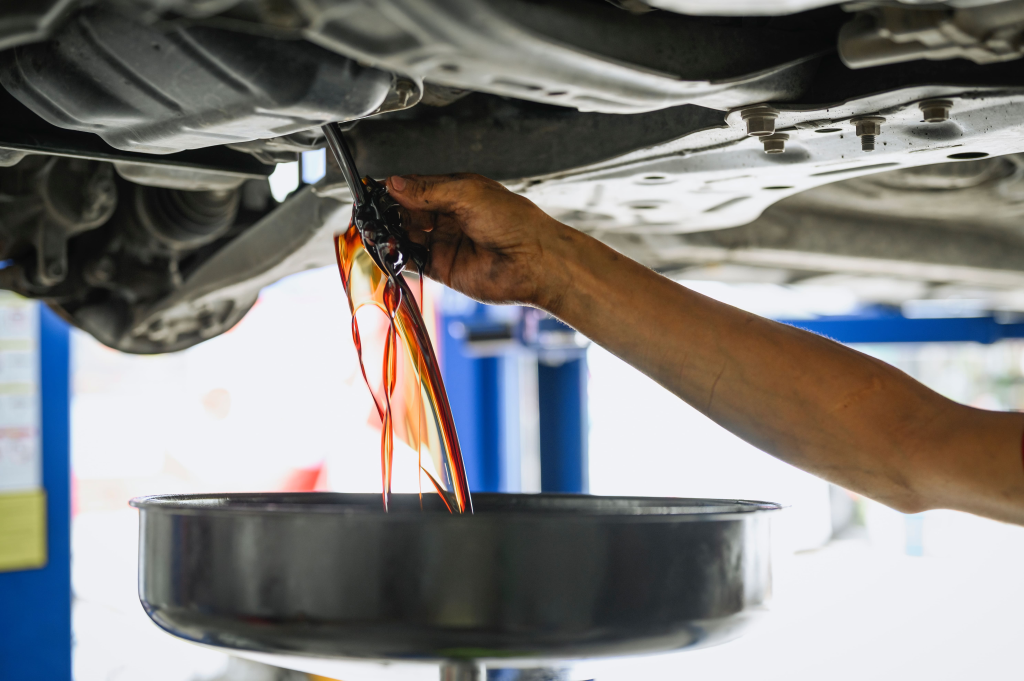
Mechanic's hand draining amber car oil into a black pan under a vehicle. The setting appears to be a well-lit auto repair shop.

How to Change the Oil in Your 2025 GMC Terrain

Changing the oil in your 2025 GMC Terrain is one of the most crucial steps you can take to ensure your vehicle runs smoothly and lasts for years to come. Regular oil changes keep your engine well-lubricated, help prevent wear and tear, and can even improve fuel efficiency. Whether you're a seasoned DIY enthusiast or a first-time car owner, knowing how to change your oil is an essential skill that can save you time and money. At Eagle Buick GMC, we understand that maintaining your vehicle can be a hands-on experience, and we're here to guide you every step of the way. From the right tools to use to the perfect oil for your Terrain, our knowledgeable team is ready to help. So, let’s dive into the nuts and bolts of changing the oil in your 2025 GMC Terrain and keep your ride in peak condition! If you have any questions or need assistance, don’t hesitate to visit us or reach out—we're just a call away! View Our New Vehicles Get Directions Contact Us The Importance of Regular Oil Changes for Your GMC Terrain Keeping up with regular oil changes is one of the most essential maintenance tasks for your 2025 GMC Terrain. Engine oil serves as the lifeblood of your vehicle, playing multiple critical roles: Lubrication: It reduces friction between moving engine parts, preventing excessive wear. Cooling: Oil helps dissipate heat generated during engine operation, keeping temperatures in check. Cleaning: It collects dirt, sludge, and other contaminants, preventing buildup that can damage the engine. Protection: A consistent oil change schedule protects against rust and corrosion, ensuring your engine lasts longer. Failing to change your oil on time can lead to severe consequences. Old, dirty oil loses its ability to lubricate properly, which increases engine wear. Over time, this can lead to reduced performance, lower fuel efficiency, and costly repairs. For vehicle like the GMC Terrain, regular oil changes help you maximize performance and longevity. Check your owner’s manual for the manufacturer’s recommended intervals—usually every 7,500 miles or so—and stick to them. A little time spent on maintenance can save you a lot of money and headaches down the road. Essential Tools and Materials for Your Oil Change Before tackling your oil change, make sure you have everything you need. Proper preparation not only saves time but also makes the process safer and smoother. Here’s a detailed list of essential tools and materials for your 2025 GMC Terrain oil change: Oil and Filter Engine Oil: Use the type and viscosity recommended in your owner’s manual. For the Terrain, this is crucial for engine health. Oil Filter Replacement: Ensure it’s compatible with the 2025 GMC Terrain. Using the wrong filter can cause leaks or poor filtration. Tools Wrench Set: For removing and tightening the drain plug. Oil Filter Wrench: Makes it easier to loosen the old filter. Funnel: Prevents spills when adding new oil. Drain Pan: Catches old oil and keeps your workspace clean. Safety Gear Gloves: Protects your hands from hot oil and grime. Safety Glasses: Shields your eyes from splashes. Vehicle Support Jack and Jack Stands: Needed if your Terrain sits low to the ground, providing access to the oil pan. For Terrain owners, the same tools apply. If you’re uncertain about any item, your local parts store or Eagle Buick GMC can help you select the right products. Preparing Your GMC Terrain for an Oil Change Preparation is the first step to a successful and stress-free oil change. Taking the time to get everything ready ensures your safety and keeps your work area organized. Follow these steps: Park Your Terrain Safely Choose a flat, stable surface like your driveway or garage. Engage the parking brake to keep the vehicle from moving. Allow the Engine to Cool If you’ve recently driven your Terrain, wait 15–20 minutes for the engine to cool down. This prevents burns and ensures safe handling. Gather Your Tools and Materials Lay out all tools, including the drain pan, wrench set, funnel, and oil filter. Elevate the Vehicle (if needed) Use a jack to lift your Terrain slightly if the oil pan isn’t easily accessible. Place jack stands securely under the frame for added stability. Never work under a vehicle supported only by a jack. Locate the Oil Pan and Filter The oil pan is typically located under the engine, with the drain plug on its lowest point. The oil filter is often near the engine block but consult your owner’s manual for the exact location. These preparation steps make the process much easier, whether you’re working on a Terrain. With a little planning, your GMC Terrain DIY oil change will go off without a hitch. How to Properly Drain the Old Oil Draining the old oil is a straightforward process, but doing it correctly ensures your vehicle’s engine stays clean and efficient. Follow these steps: Position the Drain Pan Place the pan directly beneath the drain plug. Ensure it’s large enough to catch all the oil. Remove the Drain Plug Use a wrench to loosen and remove the plug. Be cautious as the oil may still be warm. Let the oil flow completely into the pan. This can take several minutes. Inspect the Drain Plug and Washer Check the plug and washer for signs of wear or damage. Replace them if necessary to avoid future leaks. Clean the Area Once the oil has drained, wipe the drain plug and surrounding area with a clean rag. Properly draining the oil ensures your 2025 GMC Terrain is ready for the fresh oil. If you’re servicing an Terrain, the process is almost identical. Replacing the Oil Filter The oil filter plays a key role in keeping your engine oil clean. Changing it during an oil change is non-negotiable. Here’s how to do it: Locate the Oil Filter Check your manual to find the filter’s location. It’s typically near the engine block. Remove the Old Filter Use an oil filter wrench to loosen the filter. Be prepared for a small amount of oil to spill when removing it. Prepare the New Filter Apply a thin layer of fresh oil to the rubber seal. This helps create a better seal and prevents leaks. Install the New Filter Screw the filter in by hand until snug. Do not overtighten, as this can damage the seal. Changing the filter is a quick but important step for your Terrain. It ensures your new oil stays clean, maximizing engine health. Adding Fresh Engine Oil Adding fresh oil is a vital step in completing your GMC Terrain DIY oil change. Fresh oil keeps the engine lubricated, reduces wear, and improves efficiency. By following these steps, you’ll ensure that your vehicle is ready for smooth performance on the road. Steps to Add Fresh Oil Choose the Right Oil Your vehicle manual specifies the correct oil type and grade for the 2025 GMC Terrain. Stick to this recommendation. Using the wrong oil can lead to poor engine performance or damage over time. Locate the Oil Fill Cap Pop the hood and look for the oil fill cap, usually marked with an oil can icon. It’s typically found on top of the engine for easy access. Use a Funnel for Precision Place a clean funnel into the oil fill opening. This minimizes spills that could create a mess or damage parts. Add the Recommended Amount of Oil Slowly pour in the required amount of oil, usually between 5 and 6 quarts for most 2025 GMC Terrain models. Be patient; adding too quickly may cause spills or overfilling. Check the Oil Level Insert the dipstick fully and pull it out to check the level. The oil should reach between the “MIN” and “MAX” markers. If the level is too low, add a small amount and recheck until it’s just right. Secure the Oil Cap Replace the oil fill cap securely to prevent leaks or contamination. This same approach applies to vehicles like the Terrain, ensuring consistent performance across GMC models. Taking care of this step correctly sets the stage for a reliable and efficient engine. Checking Oil Levels and Inspecting for Leaks Once you’ve added fresh oil, confirming the proper oil level and inspecting for leaks is crucial. These checks help ensure your 2025 GMC Terrain runs without any hiccups. Steps to Check Oil Levels Start the Engine Briefly Turn on the engine for 1–2 minutes to allow the oil to circulate. This step helps distribute the oil through the engine system. Let the Oil Settle Turn off the engine and wait 3–5 minutes. This allows the oil to drain back into the oil pan, giving an accurate reading. Use the Dipstick Remove the dipstick, wipe it clean with a cloth, and reinsert it fully. Pull it out again and observe the oil level. It should fall between the “MIN” and “MAX” lines. Adjust if Necessary If the level is low, add a small amount of oil and recheck until the proper level is reached. Inspecting for Leaks A leak can lead to significant engine issues if not caught early. Take the following steps to check for leaks: Look Underneath the Vehicle: Check for oil drips or puddles near the drain plug or filter. Inspect the Oil Filter Area: Ensure the filter is snugly attached without over-tightening. Check the Drain Plug: Confirm that it’s secure and seated properly. If you spot any leaks, address them immediately by tightening the filter or drain plug. If leaks persist, consult a professional. These checks ensure your Terrain is ready to hit the road with confidence. Maintenance Tips for Your GMC Terrain’s Oil System Proper maintenance of your oil system keeps your GMC Terrain running smoothly and prolongs the engine’s lifespan. A well-maintained oil system helps prevent costly repairs and enhances performance. Here are essential maintenance tips to keep your oil system in top condition. Change the Oil and Filter on Time Stick to the service schedule in your manual, typically every 7,500 miles or 12 months. Replace the oil filter during every oil change to keep the engine free of contaminants. Check Oil Levels Regularly Get into the habit of checking your oil level at least once a month. This simple task prevents running low on oil, which can lead to serious engine damage. Use the Correct Oil and Filter Always use the oil grade and filter specified for your Terrain. High-quality products enhance performance and prevent engine wear. Keep an Eye on Oil Quality Dark or sludgy oil is a sign it’s time for a change. If the oil smells burnt, it could indicate a problem that needs attention. Inspect for Leaks Periodically Regularly check for drips or puddles under the vehicle, especially after long drives. Addressing leaks early can save you from expensive repairs. Monitor Dashboard Alerts Pay attention to your Terrain’s oil life monitoring system. If a warning light appears, don’t delay the oil change or inspection. These tips apply equally to similar models like the Terrain, ensuring all GMC drivers enjoy a reliable and efficient ride. Advantages of Performing Your Own Oil Change Doing your own oil changes offers more than just financial savings. It’s a rewarding experience that builds confidence and strengthens your connection with your vehicle. Cost Savings DIY oil changes are significantly cheaper than professional services. You only pay for the oil, filter, and basic tools. Convenience No need to schedule an appointment or wait at a service center. Perform the oil change at your convenience, even in your own driveway. Hands-On Knowledge Learn how your Terrain operates by working on it directly. Familiarity with your vehicle helps you spot potential issues early. Environmental Impact Dispose of old oil responsibly by recycling it at an authorized center. Many local service stations accept used oil at no charge. Sense of Accomplishment Completing an oil change yourself is highly satisfying. You’ll gain confidence knowing you’ve contributed to your vehicle’s care. This hands-on approach is especially useful for owners of the GMC Terrain, giving them an edge in vehicle maintenance. Frequently Asked Questions About Oil Changes for the 2025 GMC Terrain Many vehicle owners have common questions when performing maintenance on their GMC Terrain. Here are some quick and direct answers to help you with your oil change process. Which oil weight is optimal for a 2025 GMC Terrain? The 2025 GMC Terrain typically requires SAE 5W-30 oil, but refer to your owner’s manual for confirmation. Does the Terrain require a specific oil filter brand? While the Terrain doesn’t require a specific brand, it’s best to use high-quality filters like ACDelco or a brand recommended in the manual. How do I reset the oil life monitoring system? To reset the oil life system: Turn the ignition to the "ON" position without starting the engine. Use the driver information center controls to navigate to the “Oil Life” menu. Press and hold the "OK" or reset button until the system resets to 100%. These answers should provide clarity and ease for maintaining your vehicle. Always consult your owner’s manual for precise details regarding your GMC Terrain. Keep Your GMC Terrain in Top Shape with Eagle Buick GMC Taking care of your 2025 GMC Terrain ensures smooth performance for years to come. If you’re in Crystal River, Sugarmill Woods, Citrus Hills, or Pine Ridge, our team at Eagle Buick GMC is here to help. Whether you're ready to tackle a DIY oil change or need expert assistance, we have the resources you need. Plus, we offer a wide selection of vehicles, including the versatile Terrain, perfect for all your adventures. Curious about the vibrant colors available on the 2025 Buick SUVs? Or maybe you're debating between the Buick Encore and the Chevy Traverse? Explore why the Encore stands out as a smart choice. If space is a priority, discover the seating capacities across the 2025 Buick lineup to find the perfect fit for your family. Visit us today to explore our inventory, learn more about maintaining your GMC Terrain, or test drive your next dream vehicle. You can also contact us for expert guidance or schedule a service appointment online. We're here to ensure your GMC and Buick vehicles perform at their best. Get Directions to Eagle Buick GMC Disclaimer: All information is provided for general informational and entertainment purposes only. While we strive for accuracy, we cannot guarantee that all content is complete, current, or error-free. Any reliance you place on such information is strictly at your own risk. This article may include opinions and is not endorsed by, or officially affiliated with, any vehicle manufacturer or brand. Always consult official sources – such as the vehicle’s owner’s manual, authorized dealerships, or certified professionals – for the most up-to-date and personalized information.

Close-up of motor oil being poured from a black container into a car engine through a funnel. The image conveys a sense of maintenance and care.

How to Change the Oil in Your 2025 GMC Canyon

Owning a 2025 GMC Canyon is an exciting experience, whether you're cruising through the scenic roads of Crystal River, exploring the hills around Sugarmill Woods, or tackling the rugged trails of Citrus Hills. To keep your Canyon running smoothly and reliably, regular oil changes are a must. Not only does changing your oil help maintain the engine's performance, but it also extends the life of your vehicle and boosts fuel efficiency. With a few essential tools and a little know-how, you can easily tackle this maintenance task yourself, saving time and money in the process. In this guide, we'll walk you through the simple steps of changing the oil in your 2025 GMC Canyon, making sure you have everything you need to get the job done right. From draining the old oil to replacing the oil filter, we’ve got you covered. However, if you’d prefer to leave it to the professionals, Eagle Buick GMC is always ready to assist. Visit us or give us a call to ensure your GMC Canyon gets the expert care it deserves. Let’s get your truck ready for its next adventure! View Our New Vehicles Get Directions Contact Us Why Regular Oil Changes Matter for Your 2025 GMC Canyon Regular oil changes are key to keeping your 2025 GMC Canyon running at its best. Without clean oil, the engine parts will wear out more quickly. The oil lubricates the engine, reduces friction, and helps prevent overheating. Changing the oil keeps everything running smoothly, whether you're driving around Crystal River, exploring Sugarmill Woods, or taking on the rugged roads of Pine Ridge. Here’s why regular oil changes matter for your GMC Canyon: Keeps your engine running smoothly: Fresh oil helps reduce friction, preventing engine wear and tear. Improves fuel efficiency: Clean oil allows the engine to run more efficiently, saving you money at the pump. Prevents engine damage: Old oil can cause sludge buildup, leading to costly repairs. Enhances engine lifespan: Regular oil changes ensure your Canyon will serve you for years to come. Staying on top of oil changes is one of the easiest and most effective ways to keep your vehicle in top shape. Whether you handle the job yourself or visit Eagle Buick GMC, it's important to stick to the recommended schedule to keep your truck running strong. Essential Tools and Supplies for a Canyon Oil Change To change the oil in your GMC Canyon, you need a few essential tools and supplies. Having everything ready makes the process much smoother. Here’s what you’ll need: 5W-30 synthetic motor oil: Check your owner’s manual for the exact amount your GMC Canyon needs. GMC Canyon oil filter: Make sure to use the correct filter for your truck. Oil filter wrench: Helps remove the old filter easily. Socket wrench: For loosening and tightening the drain plug. Drain pan: To catch the old oil. Funnel: To avoid spills when adding new oil. Rags or paper towels: To clean up any drips or spills. Gloves and safety glasses: Protect yourself from oil splashes. Jack and jack stands (if needed): To lift your Canyon safely if you need more space underneath. Once you have all the tools and supplies, you're ready to get started. Make sure everything is clean and in good condition to avoid any issues during the oil change. Getting Your GMC Canyon Ready for the Oil Change Before you begin the oil change, it's important to prepare your GMC Canyon properly. Here are the canyon oil change steps to follow for a safe and smooth process: Park on a level surface: Ensure your Canyon is on a flat surface to prevent oil from draining unevenly. Turn off the engine: Let the truck cool down for a few minutes before starting. Engage the parking brake: For safety, always make sure your Canyon is secure. Lift the vehicle (if needed): If you're working underneath the truck, use a jack to lift it and secure it with jack stands. Gather your tools: Double-check that you have everything you need within arm’s reach. Taking a few minutes to prepare can make the entire oil change process easier and safer. Once you're ready, you're all set to get started! Finding the Drain Plug and Oil Filter on Your GMC Canyon Now that your GMC Canyon is ready, the next step is to locate the oil drain plug and oil filter. Here’s how to find them: Oil drain plug: The drain plug is typically located at the bottom of the oil pan. It’s easy to spot, but you may need to consult your 2025 GMC Canyon owner's manual for the exact location. Oil filter: The oil filter is usually located near the oil pan, but can be tricky to reach depending on the engine design. Use the manual for reference if necessary. Once you've located both, position your drain pan beneath the drain plug. Be careful not to burn yourself if the engine is still warm. You’re almost ready to start draining the old oil! Draining the Old Oil Safely and Efficiently Draining the old oil is one of the most critical steps in the Canyon oil change process. Follow these steps for a clean and safe oil change: Place the drain pan: Position the pan under the oil drain plug to catch the oil as it drains. Loosen the drain plug: Use a socket wrench to carefully remove the plug. Let the oil drain into the pan completely. Wait for the oil to drain: Allow the oil to flow for several minutes, ensuring that all of the old oil is removed. Reattach the drain plug: Once the oil has drained, replace and tighten the drain plug securely to prevent leaks. During this step, avoid rushing. Let the oil drain fully for the best results. Once the old oil is out, you’re ready to move on to the next step in the oil change process! Replacing the Oil Filter: Tips for a Perfect Seal Once you've successfully drained the old oil, it's time to replace the oil filter. This is a crucial step in your Canyon oil change steps to ensure that the engine gets clean oil for optimal performance. Here's a detailed guide on how to replace the oil filter properly: Remove the old filter: Use an oil filter wrench to carefully unscrew the old filter. Turn it counterclockwise. Make sure the filter comes off without damaging the threads or the area where it connects to the engine. Clean the sealing surface: Before installing the new filter, inspect the mounting surface where the filter attaches. Use a clean rag to wipe off any old oil or debris. A clean surface ensures that the new filter will form a tight seal, preventing leaks. Lubricate the new filter: Before you install the new oil filter, apply a small amount of fresh oil to the rubber seal on the top of the new filter. This helps ensure a proper seal when the filter is screwed on and prevents leaks down the line. Install the new filter: Carefully screw the new oil filter onto the mounting surface. Hand-tighten the filter only—never over-tighten it. The oil filter should be snug, but overtightening can damage the threads or make it difficult to remove during the next oil change. Check for leaks: After installing the new oil filter, it’s important to check for leaks. Once you’ve completed the rest of the oil change steps, start the engine and run it for a few minutes. Then, check the oil filter and the surrounding area for any signs of leaks. By following these steps, you'll ensure that the new oil filter is installed correctly and sealed tightly. This will help your GMC Canyon run smoothly without the risk of oil leaks that could lead to costly engine damage. Adding Fresh Oil to Your GMC Canyon With the oil filter replaced, it’s time to add fresh oil to your GMC Canyon. Adding the right amount of oil is essential for proper engine lubrication and performance. Here’s a detailed guide to help you add fresh oil: Find the oil cap: Open the hood of your GMC Canyon and locate the oil filler cap. This is usually labeled with an oil can icon. Insert the funnel: To avoid spills and make the process easier, insert a clean funnel into the oil filler opening. Add fresh oil: Using the correct 5W-30 synthetic motor oil for your 2025 GMC Canyon, slowly pour the oil into the funnel. Be sure to add the recommended amount, as indicated in your owner’s manual. Adding too little oil can lead to engine damage, while too much can cause overheating or excess pressure. Check the oil level: After adding the oil, close the oil filler cap and use the dipstick to check the oil level. Pull the dipstick out, wipe it clean with a rag, and reinsert it. Pull it out again and check if the oil is within the proper range. If it's low, add more oil until the correct level is reached. Adding fresh oil is a simple but vital step in the oil change process. Make sure you use the correct oil and check the level to ensure your GMC Canyon continues to perform at its best. Checking for Leaks and Fine-Tuning Your Work After adding the fresh oil, it's time to double-check your work. This step ensures everything is secure and there are no leaks that could cause problems down the road. Follow these steps to finish up your Canyon oil change steps: Start the engine: After finishing the oil change, start the engine and let it run for a minute or two. This will allow the new oil to circulate through the engine. Check for leaks: Look underneath the Canyon for any oil spots. Pay special attention to the oil filter and drain plug. If there are any leaks, it could be due to a loose oil filter or drain plug. Tighten them as needed. Turn off the engine: Once you’ve checked for leaks, turn off the engine and let it cool down for a few minutes. Recheck the oil level: After the engine has cooled, use the dipstick to check the oil level again. The oil should be within the safe range. If it’s too low, add more oil. This final check will help ensure that everything is working as it should and that your GMC Canyon is ready for the road. Proper Disposal of Used Oil and Filters Once the oil change is complete, it's important to dispose of the used oil and oil filter correctly. Used oil and filters can be harmful to the environment, so proper disposal is essential. Follow these steps to dispose of them safely: Never dump used oil: Used motor oil is harmful to the environment and can contaminate water sources. Never pour it down the drain or throw it away. Use a proper container: After draining the oil from your GMC Canyon, transfer it into a sealed container for transport. You can use the same container that the new oil came in or purchase a dedicated oil collection container. Recycle at a local facility: Many auto parts stores, service centers, and recycling facilities accept used motor oil. Take your used oil and filter to one of these locations for safe recycling. Dispose of the oil filter: Along with the used oil, the old oil filter should also be disposed of. Oil filters can contain leftover oil, so they must be disposed of carefully. Drop them off at a recycling center or take them to a service shop that accepts used filters. By following these disposal guidelines, you’ll be doing your part to protect the environment while completing your oil change on your GMC Canyon. Maintaining Your 2025 GMC Canyon with Regular Oil Changes Regular oil changes are one of the most important maintenance tasks for your 2025 GMC Canyon. By keeping up with this service, you’ll ensure that your truck runs efficiently and lasts for many years. Here’s why regular oil changes matter: Improves engine performance: Fresh oil helps reduce friction and ensures that the engine parts move smoothly, which improves overall performance and fuel efficiency. Prevents engine wear: Old, dirty oil doesn’t lubricate as effectively, which can cause the engine to wear down over time. Regular oil changes keep your engine in top condition. Enhances fuel efficiency: Clean oil reduces drag on the engine, making it easier for your Canyon to run efficiently. This can help improve your miles per gallon (MPG) and save money on fuel. Increases engine lifespan: Regular oil changes are essential for preventing buildup and sludge formation. Over time, old oil can turn into sludge that clogs the engine and causes it to fail prematurely. By sticking to the recommended oil change schedule for your GMC Canyon, you'll help extend the life of your engine and enjoy better performance. Keeping up with regular oil changes is an easy way to maintain your truck and ensure it stays reliable for years. Common Questions About Oil Changes for the 2025 GMC Canyon Understanding the details of your 2025 GMC Canyon's oil change can help ensure that your truck runs smoothly and lasts longer. Below are the answers to some commonly asked questions about oil changes for the GMC Canyon. If you're unsure about any of these details, read on to make sure you're taking the best care of your Canyon. Where is the oil filter located on the 2025 GMC Canyon? The oil filter on the 2025 GMC Canyon is located on the driver’s side of the engine, near the front, just below the engine block.Can I use synthetic oil, conventional oil, or a blend for the Canyon? It is recommended to use synthetic oil for optimal engine performance, especially for the 2025 GMC Canyon. Synthetic oil provides better protection at high temperatures and helps keep the engine clean. You can use conventional or blended oils, but synthetic is ideal for long-term engine health. What is the correct oil capacity for the GMC Canyon? The oil capacity for the 2025 GMC Canyon is approximately 6 quarts (5.7 liters) with the oil filter change. Ready to Keep Your GMC Canyon Running Strong? Visit Eagle Buick GMC! Taking care of your 2025 GMC Canyon with regular oil changes is a key step in maintaining its performance and longevity. If you’re unsure about performing an oil change yourself or want professional assistance, the team at Eagle Buick GMC is here to help. Our knowledgeable staff is available to answer all your questions about your Canyon or any other vehicle you’re interested in. If you're from Crystal River, Sugarmill Woods, Citrus Hills, or Pine Ridge, we invite you to explore our wide selection of vehicles, including the GMC Canyon. Whether you're looking for the best off-roading truck or considering a sleek, versatile SUV, we have something to suit your needs. Don’t forget to check out our other helpful resources, like our comparison of the Buick Envista vs Chevy Trax, or learn about the pros & cons of the 2025 Buick Envision's InLine Engine. You can also read our insights into GMC Yukon Front Grills: Which Belongs to Each Trim? Visit us today at Eagle Buick GMC to learn more and discover your perfect vehicle. Get Directions to Eagle Buick GMC Disclaimer: All information is provided for general informational and entertainment purposes only. While we strive for accuracy, we cannot guarantee that all content is complete, current, or error-free. Any reliance you place on such information is strictly at your own risk. This article may include opinions and is not endorsed by, or officially affiliated with, any vehicle manufacturer or brand. Always consult official sources – such as the vehicle’s owner’s manual, authorized dealerships, or certified professionals – for the most up-to-date and personalized information.

Mechanic in blue uniform carefully pours engine oil through a funnel under a car hood, with warm sunlight highlighting the workshop atmosphere.

How to Change the Oil in Your 2025 GMC Sierra 1500

Changing the oil in your 2025 GMC Sierra 1500 is one of the most important maintenance tasks you can perform to ensure your truck runs smoothly for years to come. Fresh oil keeps your engine properly lubricated, prevents overheating, and maximizes performance—especially for drivers in Crystal River, Sugar Mill Woods, Citrus Hills, and Pine Ridge, where long drives and tough terrain are common. While taking your truck to a service center is always an option, changing the oil yourself is a satisfying, cost-effective way to care for your Sierra 1500. In this guide, we'll show you how to do it step-by-step, from draining the old oil to replacing the filter and topping off with fresh oil, all with easy-to-follow instructions. If you’d prefer to leave the heavy lifting to the professionals, the service team at Eagle Buick GMC is here to help. Whether you need an oil change or any other maintenance for your GMC Sierra 1500, our experts are ready to provide fast, reliable service. Keep reading to learn how to change the oil in your 2025 GMC Sierra 1500, or contact us today to schedule an appointment and let us handle the details for you! View Our New Vehicles Get Directions Contact Us Essential Tools and Supplies for the Job Changing the oil in your 2025 GMC Sierra 1500 is a straightforward task when you’re equipped with the right tools and supplies. Preparing everything beforehand ensures a smoother process and eliminates unnecessary delays. Here’s what you’ll need to get started: Tools Socket Wrench: A reliable socket wrench is essential for loosening and tightening the oil drain plug without damaging it. Oil Filter Wrench: This tool is specifically designed to remove and replace the oil filter. It provides a secure grip to prevent slipping. Drain Pan: Use a wide, sturdy pan to catch the old oil as it drains. Ensure it has enough capacity to hold the used oil. Funnel: A funnel is indispensable for pouring new oil into the engine without spills or mess. Supplies New Oil Filter: Consult your Sierra 1500 owner’s manual to purchase the correct oil filter. Using the wrong one can lead to improper filtration and potential engine damage. Engine Oil: Use the type and grade recommended by GMC for your 2025 Sierra 1500. Typically, high-quality synthetic oil works best for modern engines. Shop Rags or Paper Towels: These come in handy for wiping up oil drips, cleaning tools, or checking the oil level on the dipstick. Gloves and Safety Goggles: Protect your hands from hot oil and your eyes from splashes with these safety items. Having these tools and supplies ready not only streamlines your 2025 GMC Sierra 1500 oil change but also ensures a professional-quality result. By being well-prepared, you’ll save time and avoid frustration. Preparing Your 2025 GMC Sierra 1500 for an Oil Change Preparation is key to successfully changing the oil in your 2025 GMC Sierra 1500. Taking a few simple steps beforehand can make the process safer and more efficient. Follow this guide to get started: Park Your Truck Safely: Find a flat, level surface to park your Sierra 1500. Uneven ground can cause oil to drain improperly or lead to safety concerns. Engage the parking brake to secure the truck and prevent accidental movement. Cool the Engine: Allow the engine to cool for at least 15–20 minutes if it has been running. Hot oil and engine parts can cause severe burns. Gather Tools and Supplies: Refer to the list of tools and supplies above and lay them out within reach. Double-check that you have the correct type of oil and an appropriate Sierra 1500 oil filter replacement. Inspect your tools for any damage or wear to avoid mishaps during the process. Protect Your Workspace: Place cardboard, an old blanket, or a plastic sheet under your truck to catch any accidental drips. This will protect your driveway or garage floor from stains. By preparing thoroughly, you reduce the risk of errors and ensure a smooth oil change for your Sierra 1500. A little effort upfront goes a long way toward ensuring success. Accessing the Oil Drain Plug and Filter Accessing the oil drain plug and filter is a critical step in learning how to change oil in a GMC Sierra. Knowing where these components are located makes the process much easier. Here’s how to find and access them: Locate the Oil Drain Plug: Slide under the front of your Sierra 1500 with a flashlight. The oil pan is a flat, rectangular metal component at the bottom of the engine. Look for the drain plug, a bolt positioned at the lowest point of the pan. Its placement allows oil to flow out completely when loosened. Position the Drain Pan: Place the drain pan directly under the drain plug. Make sure the pan is large enough to catch all the used oil. Adjust its position if needed to avoid spills. Identify the Oil Filter: The oil filter is typically located near the engine block. It may be visible from below or accessed through the wheel well, depending on the model. Use your owner’s manual as a reference if you’re unsure of its location. Check for Clearance: Ensure you have enough space to work comfortably. If needed, use a jack and jack stands to lift the vehicle slightly, but always follow safety guidelines. Accessing the oil drain plug and filter on your 2025 GMC Sierra 1500 doesn’t take long, but doing it carefully prevents accidents and ensures accuracy. Confirm all locations before moving on to the next step. Draining the Old Oil Draining the old oil is one of the most satisfying parts of a 2025 GMC Sierra 1500 oil change. It removes the used, dirty oil, allowing you to refill the engine with a clean, high-quality oil. Follow these steps: Loosen the Drain Plug: Use a socket wrench to slowly loosen the drain plug by turning it counterclockwise. Be cautious as oil may begin to flow before the plug is fully removed. Drain the Oil: Let the old oil pour into the drain pan. This process may take several minutes, so be patient. Tilt the truck slightly (if safe to do so) to ensure all the oil flows out completely. Inspect the Drain Plug and Washer: Once the oil is fully drained, check the plug and washer for signs of wear or damage. Replace them if necessary to prevent leaks. Reinstall the Drain Plug: Screw the drain plug back into place by hand. Use a socket wrench to tighten it securely, but avoid overtightening, which can damage the threads. This step is crucial for maintaining your Sierra 1500’s engine health. Properly draining the old oil ensures that the new oil can do its job effectively. Changing the Oil Filter: Key Considerations The oil filter plays a vital role in keeping your 2025 GMC Sierra 1500’s engine clean. Replacing it during an oil change ensures debris and contaminants don’t circulate. Here’s how to handle your Sierra 1500 oil filter replacement: Remove the Old Filter: Use an oil filter wrench to loosen the filter. Turn it counterclockwise until it can be removed by hand. Be prepared for some oil to spill out when the filter is removed. Have a rag or pan ready. Prepare the New Filter: Before installing the new filter, apply a thin coat of fresh oil to the rubber gasket. This creates a better seal and makes future removal easier. Verify that the new filter matches the specifications for your Sierra 1500. Install the New Filter: Screw the new filter onto the engine by hand. Turn it until it’s snug, then tighten it an additional ¾ turn. Avoid overtightening, as this can damage the gasket or make future removal difficult. Double-Check the Seal: Inspect the filter to ensure it’s seated correctly and there are no leaks. Replacing the oil filter is a small but critical part of an oil change. Doing it right keeps your Sierra 1500 running efficiently for miles to come. Replacing the Drain Plug and Securing It After draining the old oil, it's time to replace the drain plug securely. This step is vital for preventing leaks and ensuring your engine runs smoothly. Here’s how to do it correctly: Clean the Drain Plug: Use a rag or shop towel to clean any old oil and debris from the drain plug. Check the washer on the drain plug for wear or damage. Replace it if necessary to ensure a proper seal. Replace the Drain Plug: Position the drain plug back into the oil pan. Hand-tighten the plug to avoid cross-threading. Secure the Drain Plug: Use a socket wrench to tighten the drain plug. Turn it clockwise until snug. Avoid overtightening, which can damage the threads. Double-Check for Leaks: Inspect the area around the drain plug for any oil seepage. If you see any leaks, re-tighten the plug until secure. By carefully replacing and securing the drain plug, you help prevent leaks and keep your engine safe. This step is a simple yet important part of learning how to change oil in a GMC Sierra. Adding New Oil to Your 2025 GMC Sierra 1500 Now that you've replaced the drain plug, it’s time to add fresh oil. This part of the 2025 GMC Sierra 1500 oil change is crucial for keeping your engine running well. Follow these steps: Choose the Right Oil: Consult your owner’s manual for the recommended oil type and grade. Ensure you have enough oil to fill the engine. 2. Remove the Oil Fill Cap: Locate the oil fill cap on top of the engine. Turn it counterclockwise to remove it. Set it aside in a safe place. 3. Use a Funnel: Place a funnel into the oil fill opening. This will help prevent spills and make pouring easier. 4. Pour in the New Oil: Carefully pour the new oil into the funnel. Check the capacity in your owner’s manual to know how much to add. 5. Replace the Oil Fill Cap: After adding the oil, remove the funnel. Replace the oil fill cap by turning it clockwise until secure. Adding new oil is essential for the health of your engine. Following these steps ensures your Sierra 1500 is ready for the road ahead.Checking the Oil Level After the Change Once you've added new oil, it’s important to check the oil level. This step ensures you have the right amount of oil in your engine after the oil filter replacement. Here’s how to do it:1. Start the Engine: Turn the ignition to start the engine. Let it run for a minute to circulate the new oil. This step helps the oil fill the filter and passages. 2. Turn Off the Engine: After a minute, turn off the engine and wait a few minutes. This allows the oil to settle back into the pan for an accurate reading. 3. Check the Dipstick: Locate the dipstick, usually marked with a bright handle. Pull it out and wipe it clean with a rag. 4. Reinsert the Dipstick: Slide the dipstick back into its tube and then pull it out again. Check the oil level. It should be between the "minimum" and "maximum" marks. 5. Add Oil If Needed: If the oil level is low, add more oil as needed. Recheck the level until it reaches the proper mark. Checking the oil level is a crucial step to ensure the engine runs smoothly. This simple task can help you avoid serious issues in the future.Proper Disposal of Used Oil and Filter Disposing of used oil and the oil filter properly is essential. Oil can harm the environment if not discarded correctly. Here’s how to ensure safe disposal:1. Store Used Oil in a Container: Pour the used oil into a sealable container, like an empty oil jug. Make sure the container is clean and free of contaminants. 2. Seal the Container: Tightly seal the container to prevent leaks during transport. Label it as used oil to avoid confusion. 3. Dispose of the Oil Filter: Place the used oil filter in a plastic bag to contain any remaining oil. Store it in the same container as the used oil. 4. Find a Disposal Location: Check local regulations for recycling and disposal options. Many auto parts stores and service stations accept used oil and filters for recycling. 5. Follow Local Guidelines: Adhere to local laws regarding oil disposal. Never pour oil down drains or throw it in the trash. By disposing of oil and filters properly, you contribute to protecting the environment. Following these steps is part of being a responsible vehicle owner.Tips for Maintaining Your 2025 GMC Sierra 1500’s Engine Health To keep your 2025 GMC Sierra 1500 running smoothly, regular maintenance is key. Here are some helpful tips to maintain your engine's health:1. Change Oil Regularly: Follow the recommended oil change intervals in your owner’s manual. Changing oil regularly prevents sludge buildup and keeps the engine clean. 2. Use Quality Oil and Filters: Invest in high-quality oil and filters for better protection. Quality products help your engine perform efficiently. 3. Monitor Fluid Levels: Regularly check the oil level, coolant, and other fluids. Maintaining proper fluid levels is vital for engine performance. 4. Listen for Unusual Sounds: Pay attention to strange noises when driving. Any unusual sounds may indicate an underlying issue. 5. Follow Service Schedules: Stick to the maintenance schedule outlined in your owner’s manual. Timely service can catch problems early and save you money. By following these tips, you can keep your Sierra 1500’s engine healthy and running strong for years to come. Regular maintenance helps you enjoy your vehicle while preventing costly repairs down the road.Frequently Asked Questions About Oil Changes for the 2025 GMC Sierra 1500 When maintaining your 2025 GMC Sierra 1500, it’s essential to have accurate answers to common questions about oil changes and engine care. Below are answers to some frequently asked questions to help guide you through the process.What type of oil is recommended for the 2025 GMC Sierra 1500? The recommended oil for the 2025 GMC Sierra 1500 is SAE 0W-20 full synthetic oil.How often should I change the oil in my Sierra 1500? The oil in your Sierra 1500 should be changed every 7,500 miles or six months, whichever comes first.Do I need any special tools or equipment to perform the oil change? No special tools are needed, but you will need basic items like a wrench, an oil filter wrench, a drain pan, a funnel, and a jack or ramps to lift the vehicle.Having clear answers to these questions ensures your vehicle stays in top condition. By following proper maintenance practices, you can enjoy the best performance and longevity from your 2025 GMC Sierra 1500.Visit Eagle Buick GMC for Your Vehicle Needs Taking care of your truck doesn’t stop at oil changes. Whether you’re in Crystal River, Sugar Mill Woods, Citrus Hills, or Pine Ridge, Eagle Buick GMC is here to help with all your automotive needs. From maintaining your Sierra 1500 to exploring our selection of vehicles, we’re your trusted local source.If you’re curious about other vehicle maintenance tips, check out our guide on brake pads and calipers, where we explain the key differences between these vital parts of your braking system. You might also find our breakdown of engine types and sizes useful for understanding how your truck’s performance stacks up. And if you’re hearing unusual noises while driving, don’t miss our troubleshooting guide on rattling sounds and fixes.Visit us today or contact our team for personalized support. Whether you’re ready to upgrade to a new Sierra 1500 or need expert advice, Eagle Buick GMC is here for you. Explore our inventory online or stop by to experience the quality and service you deserve! Get Directions to Eagle Buick GMC Disclaimer: All information is provided for general informational and entertainment purposes only. While we strive for accuracy, we cannot guarantee that all content is complete, current, or error-free. Any reliance you place on such information is strictly at your own risk. This article may include opinions and is not endorsed by, or officially affiliated with, any vehicle manufacturer or brand. Always consult official sources – such as the vehicle’s owner’s manual, authorized dealerships, or certified professionals – for the most up-to-date and personalized information.

Orange Truck

Rev Your Engines for the 41st Annual Manatee Car & Truck Show on March 2!

Get ready to experience a roaring good time at the Citrus County Crusiers' 41st Annual Manatee Car & Truck Show! This long-running community event will be held on Sunday, March 2, 2025, at Eagle Buick GMC in HOMOSASSA. The Manatee Car & Truck Show is a must-attend for automotive enthusiasts, showcasing a diverse range of classic vehicles. With 75 awards up for grabs, participants have ample opportunity to be recognized for their prized cars and trucks. The event will feature food trucks, vendors, and a 50/50 raffle, ensuring a fun-filled day for all attendees. Date: March 2, 2025 Location: Eagle Buick GMC - 1275 S SUNCOAST BLVD HOMOSASSA Time: 8am - 12pm Registration:  $20 in advance; $25 day of show  (Spectators are free) Mark your calendars for March 2, and join the Citrus County Cruisers for a celebration of automotive excellence at the 41st Annual Manatee Car & Truck Show. Whether you're a car owner or an admirer, this event promises a memorable experience for all ages. Click here to download the registration form.  Learn more about the Citrus County Cruisers on their website.

Closeup of car mechanic repairing brake pads

Brake Pads vs Brake Calipers: What's the Difference?

When it comes to your vehicle’s braking system, you might think that pressing the pedal is the only action that matters. But did you know that the two key components responsible for bringing your vehicle to a safe stop—brake pads and brake calipers—each play a unique and crucial role? Whether you're cruising through Crystal River or tackling the roads around Sugarmill Woods, understanding these components can help you maintain a smoother, safer ride. At Eagle Buick GMC, we’re here to break down the difference between brake pads and brake calipers—and why both are essential to your vehicle's performance. From the Sierra 1500 to the Buick Enclave, regular maintenance on these parts can save you from costly repairs and keep you safe on every drive. Curious about how these parts work together? Visit or contact Eagle Buick GMC today to schedule a brake inspection and ensure your vehicle’s braking system is in top shape! View New Inventory Get Directions Contact Us Understanding the Basics of Your Braking System Your vehicle’s braking system is one of its most important safety features. When you press the brake pedal, you're not just stopping the car—you're engaging a system that involves GMC brake pads, brake calipers, rotors, and hydraulic pressure. Each part plays a vital role in slowing you down safely. The Sierra 1500 and other GMC models are equipped with advanced braking systems designed for power and precision. When you press the brake pedal in your truck, hydraulic fluid moves through the system, pushing pistons inside the brake calipers. These pistons apply pressure to the GMC brake pads, which press against the rotors to create friction. That friction is what slows down your vehicle. The system is simple, but each part needs to work perfectly for safe and effective braking. If one part fails, it can affect the whole system. For example, worn-out GMC brake pads can reduce braking power and even damage the rotors, leading to costly repairs. Regular brake maintenance is crucial to avoid issues. Whether you drive a Sierra 1500 or a Buick Enclave, understanding how the braking system works will help you spot problems early and keep your vehicle in top condition. Visit or contact Eagle Buick GMC today to learn more about your braking system or schedule a brake inspection. Keeping your brakes in check ensures you can rely on them when you need them most! What Are Brake Pads? The Friction Powerhouses Brake pads are the key to stopping your vehicle. They are the parts that create friction to slow down or stop the wheels. When you press the brake pedal, the brake pads squeeze against the brake rotor, generating heat. This friction slows down your Yukon XL or any other vehicle, turning motion into heat and energy. GMC brake pads come in three main types: semi-metallic, ceramic, and organic. Each type offers different benefits. Semi-metallic pads are strong but can be noisy. Ceramic pads are quieter and create less dust but can be more expensive. Organic pads are softer, quieter, and gentler on your rotors, but they wear out faster. No matter the type, brake pads wear down over time. They are made of materials that constantly rub against the rotor. As they wear, they lose their effectiveness, which means they need to be replaced. If you ignore worn-out pads, you could end up damaging your GMC brake calipers or rotors, leading to costly repairs. You can tell when your brake pads need replacing by a few signs. If you hear squeaking or grinding noises when braking, your pads may be too thin. If your Yukon XL takes longer to stop, that’s another red flag. Regular brake checks are the best way to prevent problems. Don’t wait until it’s too late. If you suspect your brake pads need attention, visit Eagle Buick GMC for a quick inspection. We’ll make sure your GMC brake calipers and pads are in top shape! What Are Brake Calipers? The Key to Applying Pressure Brake calipers play a vital role in your vehicle’s braking system. They hold the brake pads and press them against the rotors when you hit the brake pedal. This creates the friction needed to stop your car. Without calipers, your brake pads wouldn’t be able to do their job. In a vehicle like the Buick Encore, brake calipers are usually hydraulic. When you press the brake pedal, brake fluid moves into the calipers. This fluid pushes pistons inside the calipers, which force the pads against the rotors. The pressure is what slows the wheels and brings your vehicle to a stop. There are two main types of brake calipers: floating (single-piston) and fixed (multi-piston). Floating calipers slide from side to side and use a single piston to press both brake pads. Fixed calipers, on the other hand, have pistons on both sides of the pads and don’t move. They’re often used on high-performance or heavy-duty vehicles. Brake calipers are built to last, but they can still run into problems. GMC brake issues, such as a sticking caliper or leaking brake fluid, can affect braking power. A stuck caliper might cause uneven braking or drag on the rotor. Leaking brake fluid can lead to a loss of braking force. Regular brake checks can prevent these issues. If you notice your brakes feeling uneven or you hear strange noises, it’s time to get your calipers inspected. Whether you drive a Buick Encore or a GMC model, staying on top of maintenance will help keep your braking system working at its best. For peace of mind, visit Eagle Buick GMC today to have your brake calipers and pads checked. We’ll make sure everything is working properly so you can drive with confidence! Brake Pads and Brake Calipers: How They Work Together Brake pads and brake calipers are like partners in your vehicle's braking system. They work together to stop your car safely. When you press the brake pedal, GMC brake pads press against the brake rotors. This creates friction, which slows down your wheels. But the calipers are the ones that push the brake pads into the rotors. In a vehicle like the Buick Enclave, when you apply the brakes, hydraulic fluid enters the calipers. This fluid pushes the pistons inside the calipers, forcing the GMC brake pads onto the rotor. The brake pads create the friction, and the calipers make sure the pressure is applied evenly. Without the calipers, the brake pads would have no way to press against the rotor. Together, the brake pads and calipers generate the stopping power. The brake pads wear down over time due to friction, while the calipers remain in place and hold the pads. The heat generated by the braking process is absorbed by the calipers to prevent overheating. Both components play a crucial role. If the brake pads wear out, they need to be replaced quickly to avoid damaging the rotors. If the calipers malfunction, you might experience uneven braking or even GMC brake issues like fluid leaks. Keeping both your brake pads and calipers in good condition ensures your vehicle stops efficiently and safely. Regular brake inspections will help you spot problems before they become serious. Visit or contact Eagle Buick GMC today for a brake check. We’ll make sure your Buick Enclave or GMC model is in top shape, keeping you safe on the road! Key Differences Between Brake Pads and Brake Calipers Brake pads and brake calipers are both crucial for stopping your vehicle, but they serve different roles. Let’s break it down: Brake Pads Function: Brake pads create friction against the rotor to slow or stop your vehicle. Location: They are directly in contact with the rotor. Materials: Made of ceramic, semi-metallic, or organic compounds. Wear and Tear: Brake pads wear down with use and need to be replaced regularly. Signs of Wear: Squeaking, squealing, or a longer stopping distance. Brake Calipers Function: Brake calipers hold the brake pads and apply pressure to them. They use hydraulic force to push the pads against the rotor. Location: Calipers are positioned around the rotor, housing the brake pads. Materials: Typically made of steel, aluminum, or cast iron. Wear and Tear: Calipers don’t wear out as quickly as pads. However, they can develop GMC brake calipers issues, such as fluid leaks or sticking. Signs of Trouble: Uneven braking, dragging, or leaking brake fluid. The Sierra 1500 and other GMC vehicles need both parts working properly for safe braking. The brake pads wear down with use, while the calipers last much longer but may need repair if damaged. Brake pads create the friction to stop the vehicle, while brake calipers apply the necessary pressure. They work together to ensure your vehicle stops safely and effectively. Regular maintenance is key. Keep an eye on both parts to avoid any GMC brake calipers issues or damaged rotors. Visit Eagle Buick GMC today for a brake inspection. We’ll check both your brake pads and calipers to make sure your Sierra 1500 or any GMC vehicle is ready to hit the road safely! When Should You Replace Brake Pads and Brake Calipers? Knowing when to replace your brake pads and calipers is key to maintaining your vehicle’s braking power. Let’s break it down: Brake Pads Brake pads typically need replacing every 30,000 to 70,000 miles. This depends on your driving habits and the type of pads. If you drive a lot in heavy traffic or on hilly roads, you might need to replace them sooner. Signs You Need New Brake Pads Squeaking or squealing: A high-pitched sound is a common sign of worn pads. Grinding noise: If you hear a grinding sound, the pads may be worn down to the metal. Longer stopping distance: If your Yukon XL or any vehicle takes longer to stop, the pads may be worn. If you notice any of these signs, it’s time for a brake check. Brake Calipers Brake calipers last longer than brake pads. They can last for over 100,000 miles, but they can still run into problems. If your GMC brake issues include uneven braking or a soft brake pedal, it might be time to check the calipers. Signs You Need New Brake Calipers Leaking brake fluid: If you notice fluid around the calipers, there’s likely a leak. Sticking or dragging: A stuck caliper can cause uneven braking or drag, leading to poor performance. Uneven brake wear: If the pads wear unevenly, the calipers may not be applying pressure evenly. While GMC brake issues like a leaking caliper are less common, they can cause serious problems if not fixed. Replacing both your brake pads and calipers on time will save you from expensive repairs. Visit Eagle Buick GMC today for a brake inspection. We’ll make sure your Yukon XL or any other GMC model gets the care it needs. Don’t wait—replace worn parts before they cause bigger issues! Preventing and Addressing Common Brake Issues in GMC Vehicles Brakes are crucial for safety. Taking care of them will help you avoid costly repairs and keep you safe. Let’s look at how to prevent and address common brake issues in GMC vehicles like the Buick Encore. 1. Regular Brake Inspections The best way to prevent problems is regular maintenance. Have your GMC brake pads and calipers checked at least once a year. This will catch any wear or damage early. 2. Listen for Strange Noises If you hear squeaking, squealing, or grinding noises, it could be time for new brake pads. GMC brake pads wear down over time, especially if you drive a lot in stop-and-go traffic or on hilly roads. 3. Watch for Leaks or Fluid Loss If you notice brake fluid around your Buick Encore calipers or on the ground, it could indicate a leak. Leaking brake fluid can reduce braking power and cause dangerous situations. Address it immediately. 4. Don’t Ignore Uneven Braking If your vehicle pulls to one side when braking, you may have a GMC brake issue with your calipers. A sticking caliper or uneven brake pad wear can cause this. Have it checked as soon as possible. 5. Avoid Overloading Your Vehicle Heavy loads put extra strain on your brakes. If you frequently tow or carry heavy cargo, your GMC brake pads will wear out faster. 6. Replace Worn Parts on Time Brake pads should be replaced before they get too thin. Replacing them early will prevent rotor damage and reduce the need for costly repairs. 7. Address Brake Issues Right Away If you notice any of these signs, don’t wait! Delaying repairs can lead to bigger problems with your GMC brake calipers or other brake parts. At Eagle Buick GMC, we’re here to help keep your brakes in top condition. Regular inspections and timely repairs will keep you safe on the road. Visit or contact us today for a brake inspection. Whether you drive a Buick Encore or any GMC model, we’ll make sure your brakes are ready to perform when you need them most! The Benefits of Regular Brake Maintenance for Safety and Performance Regular brake maintenance is one of the best ways to ensure the safety and performance of your vehicle. Whether you drive a Buick Enclave or any other GMC model, keeping your brakes in top condition is vital. 1. Enhanced Safety Your brakes are your first line of defense when it comes to stopping. If they fail, the results can be serious. Regular maintenance checks help prevent GMC brake calipers and brake pads from wearing out too quickly. This reduces the risk of brake failure and keeps you safer on the road. 2. Improved Braking Performance Fresh GMC brake pads and well-maintained calipers ensure smooth, responsive braking. Regular brake checks help maintain even pressure and performance, which is especially important for larger vehicles like the Buick Enclave. Whether you're driving through Crystal River or on highways, you need reliable braking every time. 3. Cost Savings Replacing worn-out brake pads is much cheaper than replacing damaged rotors or calipers. Catching problems early can save you money on more expensive repairs. 4. Longer Lifespan for Your Brakes Regular maintenance extends the life of your GMC brake calipers, brake pads, and other components. Replacing worn parts before they cause damage prevents further wear and tear on the braking system. 5. Smoother Ride Worn brake pads or faulty calipers can cause uneven braking. This leads to vibrations or pulling, making the ride less comfortable. Regular maintenance ensures that your vehicle brakes smoothly every time. 6. Better Resale Value A well-maintained braking system can increase the resale value of your vehicle. Buyers prefer cars that have been properly cared for, and a recent brake inspection is a positive sign. At Eagle Buick GMC, we recommend regular brake checks for all our customers. Whether you drive a Buick Enclave or any GMC model, we can help keep your brakes performing at their best. Visit or contact us today to schedule your brake maintenance. Keeping your brakes in top condition is one of the best things you can do for your safety and your vehicle’s performance! Tips for Maintaining Your Brake Pads and Calipers Taking care of your brake pads and calipers is key to keeping your brakes working smoothly. Follow these simple tips to avoid GMC brake issues and ensure your Sierra 1500 or any vehicle is safe on the road. 1. Check Your Brakes Regularly Inspect your brake pads and calipers at least once a year. If you hear squeaking, grinding, or feel vibration, have them checked right away. 2. Replace Brake Pads on Time Don't wait until your brake pads are worn down too much. When they get thin, replace them. Worn pads can cause GMC brake issues and damage the rotor, costing you more in repairs. 3. Watch for Leaking Fluid Brake fluid leaks around your Sierra 1500 calipers are a sign of trouble. If you notice any fluid, get your brakes inspected. Leaking fluid can reduce braking power and cause serious issues. 4. Avoid Heavy Loads Hauling heavy cargo or towing can wear out your brake pads faster. If you drive a lot with heavy loads, inspect your brakes more often. 5. Drive Smoothly Avoid hard stops and aggressive braking. Sudden stops can wear out your brake pads faster. Smooth, gradual braking helps your pads last longer. 6. Keep Your Brakes Clean Debris like dirt or road salt can cause wear and tear on your brake pads and calipers. Keep your vehicle clean and free of debris to protect your brakes. 7. Lubricate the Calipers Brake calipers should be lubricated regularly to prevent sticking or uneven pressure. If your calipers are sticking, have them cleaned and serviced. 8. Get Professional Brake Inspections Let the experts at Eagle Buick GMC check your brakes. Our team will make sure your Sierra 1500 or any GMC vehicle is in top condition, preventing any potential issues. 9. Pay Attention to Brake Feel If you feel any changes in how your brakes respond, get them checked. A soft pedal or uneven stopping power is a sign something might be wrong with your calipers or brake pads. Regular care of your brake pads and calipers ensures your vehicle stops safely and efficiently. Visit Eagle Buick GMC for a brake inspection today. We'll make sure your Sierra 1500 or any other GMC vehicle gets the best care. Stay safe with reliable brakes! FAQs: What is a brake caliper? A brake caliper is the part of your vehicle’s braking system that houses the brake pads and applies pressure to them. It uses hydraulic force to push the brake pads against the rotor, helping to slow down or stop the vehicle. What is a brake pad? A brake pad is the component that creates friction when pressed against the brake rotor. This friction is what slows down or stops your vehicle. Brake pads are typically made from materials like ceramic, semi-metallic, or organic compounds. Keep Your Vehicle Safe and Running Smoothly with Eagle Buick GMC Maintaining your braking system is essential for both safety and performance. If you’re looking for more information about brake pads, brake calipers, or vehicle maintenance, Eagle Buick GMC is here to assist you. If you're in the Crystal River, Sugarmill Woods, Citrus Hills, or Pine Ridge areas, visit or contact us today! Our expert team is ready to answer all your questions and help you keep your vehicle in top shape. While you're here, explore our wide selection of vehicles, including the Sierra 1500, Yukon XL, Buick Encore, and Buick Enclave. Whether you're after a powerful truck or a family-friendly SUV, we have a model to fit your needs. Need financing options? We offer flexible financing plans to make your dream vehicle more affordable. Plus, our service department is ready to take care of your vehicle with expert maintenance and repair services. Don’t forget to check out other helpful content, such as seating capacities in the 2025 Buick lineup, how Florida's humidity can affect your roads, and our latest Buick lease specials in Homosassa, Florida. Visit or contact Eagle Buick GMC today! Our friendly team is here to assist you with everything from finding the right vehicle to maintaining it for years to come. Get Directions to Eagle Buick GMC Disclaimer: All information is provided for general informational and entertainment purposes only. While we strive for accuracy, we cannot guarantee that all content is complete, current, or error-free. Any reliance you place on such information is strictly at your own risk. This article may include opinions and is not endorsed by, or officially affiliated with, any vehicle manufacturer or brand. Always consult official sources – such as the vehicle’s owner’s manual, authorized dealerships, or certified professionals – for the most up-to-date and personalized information.
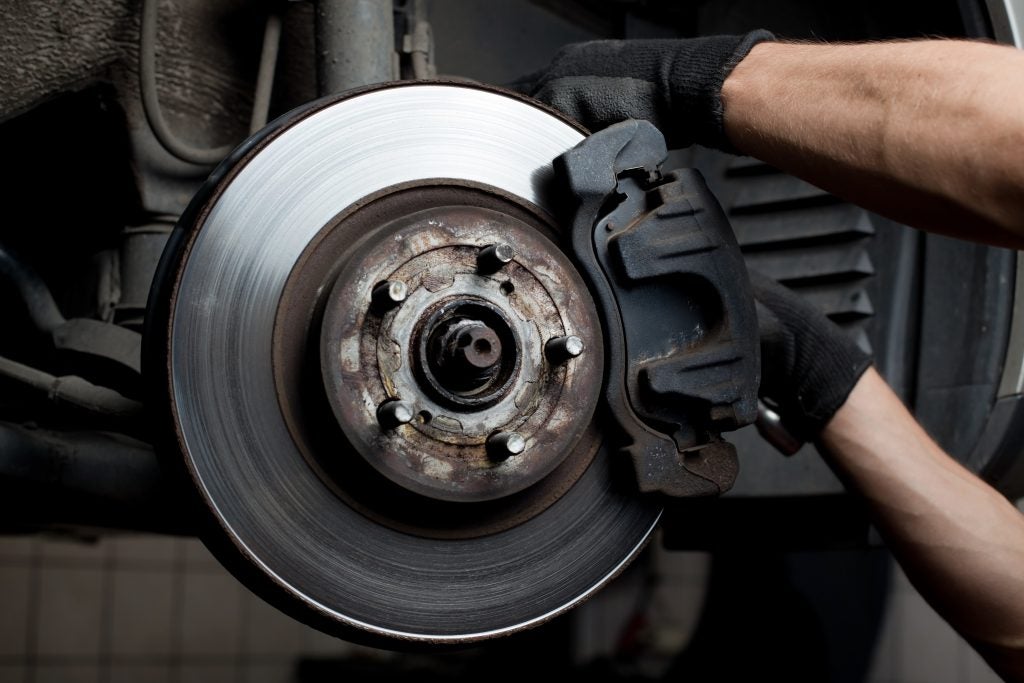
Engine. Pistons and crankshaft.

Engines 101: Liters, V4, V6, V8, and What They All Mean

When you're shopping for a new vehicle, one of the first things you'll notice is the engine size—2.0L, 5.3L, V6, V8. But what do these numbers and terms actually mean for your driving experience? The engine is the heart of your car, and understanding the differences between them can make all the difference when it comes to performance, fuel efficiency, and overall driving satisfaction. From the smooth, fuel-efficient performance of a 4-cylinder to the robust power of a V8, knowing what each configuration offers helps you choose the right vehicle for your needs—whether you're cruising through Crystal River, towing in Sugarmill Woods, or navigating the roads of Pine Ridge. At Eagle Buick GMC, we make it easy to find the perfect engine for your lifestyle. Whether you're eyeing the performance-driven GMC Sierra 1500 or the efficient and stylish Buick Encore GX, we have something for every driver. Ready to learn more? Visit or contact us today for expert guidance and a test drive. Let’s help you find the right engine to power your next adventure! View Our New Vehicles Get Directions Contact Us What Is an Engine? A Brief Overview The engine is the heart of your vehicle. It’s what makes the car go, converting fuel into power. This power moves the wheels, drives the transmission, and makes your car run smoothly. Without an engine, your car would be nothing more than a fancy shell. Every engine works by burning fuel—usually gasoline or diesel. This process happens inside the engine’s cylinders, where fuel is mixed with air and ignited to create energy. That energy is then turned into mechanical motion, which powers the car. Engines come in all shapes and sizes. They can be small and efficient, or large and powerful. The size and design of an engine directly impact how your car performs. For example, a GMC Sierra 1500 with a V8 engine is built for power and towing. It’s designed to handle big jobs with ease. On the other hand, smaller engines, like those in many GMC cars for sale, are meant to be fuel-efficient while still providing a smooth ride. In short, the engine is what gives your car its strength. It’s what makes it capable of doing what you need—whether that’s daily driving or hauling heavy loads. Understanding how engines work helps you pick the right vehicle for your needs. Ready to dive deeper into engine sizes and configurations? Let’s explore more! Understanding Engine Size: What Does "Liters" Really Mean? When you see an engine size like 2.0L or 5.3L, you might wonder what that actually means. The "L" stands for liters, which refers to the total volume of the engine's cylinders. Each cylinder is where the fuel and air are mixed and burned to create power. So, a larger engine has more cylinders and can burn more fuel, which means it has more power. For example, a GMC Sierra HD comes with a larger engine, like a 6.6L V8. This engine has more displacement, which gives it a lot of power for heavy tasks like towing or hauling. If you're looking at GMC trucks for sale, you'll often see larger engine sizes in the bigger models, like the Sierra 1500 or the Sierra HD, because they are built for strength and performance. On the other hand, smaller engines, like a 1.5L or 2.0L, are designed for lighter tasks. They offer good fuel efficiency, making them perfect for daily driving in cars like the Buick Encore GX. These smaller engines can still give you plenty of power, but they don’t burn as much fuel as larger engines. So, what does this all mean for you? If you need a truck for heavy-duty work, a larger engine will give you the power you need. If you want a more fuel-efficient ride for everyday use, a smaller engine may be the better choice. Knowing engine size helps you choose the right vehicle for your lifestyle! Breaking Down Engine Configurations: V4, V6, V8, and More When it comes to engines, the way the cylinders are arranged is just as important as the size. This arrangement is called the engine configuration. You’ll often see terms like I4, V6, and V8—each one tells you how the engine is built. I4 (Inline 4) The I4 is one of the most common engine types. It has four cylinders arranged in a straight line. You’ll find this engine in many Buick cars for sale, like the Buick Encore GX. The I4 is compact and efficient, making it great for everyday driving. It provides good fuel economy and is lighter than larger engines. V4 A V4 engine is less common than the I4. It has four cylinders arranged in a "V" shape. While it offers more power than an I4, it is usually found in smaller cars or motorcycles. A V4 may be less smooth than other engines, but it’s still a solid choice for lightweight vehicles. V6 The V6 engine has six cylinders arranged in a V-shape. This configuration is widely used in midsize cars, trucks, and SUVs. The Buick Encore GX also offers an option with a turbocharged 1.3L engine for great power and efficiency. A V6 offers more power than a four-cylinder engine but isn’t as heavy or fuel-hungry as a V8. It strikes a great balance between performance and fuel economy. V8 The V8 engine is known for its power. It has eight cylinders in a V-shape, providing a lot of horsepower and torque. This is the engine you’ll find in larger GMC trucks for sale like the GMC Sierra 1500 or Sierra HD. V8 engines are perfect for heavy-duty tasks, like towing or off-roading. But, they tend to consume more fuel, so they’re best for drivers who need strength and power. Other Configurations There are other configurations, like V12 or V16, but these are rare and mostly found in high-performance or luxury vehicles. While these engines provide immense power, they are expensive and not practical for everyday driving. Each engine configuration has its pros and cons. It all depends on what you need in your vehicle. Whether you're looking for something efficient like an I4 or need the muscle of a V8, there's an engine out there for every driver. How Engine Configuration Affects Performance Engine configuration impacts how your car drives. It affects things like power, torque, smoothness, and even fuel economy. Let's take a closer look at how different engine types perform. Power and Torque The number of cylinders plays a big role in an engine’s power. More cylinders mean more power and torque. Torque is the force that helps a car move, especially when towing or accelerating. For example, the Buick Envista has a small turbocharged engine, perfect for daily driving and fuel savings. It provides enough power for a smooth ride but isn’t built for heavy-duty tasks. On the other hand, a V8 engine—found in GMC trucks for sale like the Sierra 1500—delivers far more power. This makes it perfect for hauling heavy loads or tackling tough jobs. The extra cylinders generate a lot more torque, making the truck powerful and responsive when towing or accelerating. Smoothness and Balance Inline engines, like the I4, are often smoother. The cylinders are aligned in a straight line, which makes the engine run evenly. The Buick Envista, with its I4 engine, gives you a smooth, quiet ride. It’s ideal for city driving and long commutes. V-engines, such as V6 or V8, also have good balance. The “V” shape helps distribute weight better, leading to a smoother performance. V6 engines, which are found in many midsize vehicles and GMC trucks for sale, offer a nice mix of power and comfort. Fuel Efficiency Fuel efficiency is another factor that changes with engine configuration. Smaller engines, like the I4 in the Buick Envista, use less fuel. They are great for drivers who don’t need huge amounts of power. If you’re looking for an efficient, city-friendly ride, this engine type is a good choice. Larger engines, like the V6 or V8, tend to burn more fuel. While they offer better performance, especially when towing, they also cost more to fill up. For instance, a GMC Sierra 1500 with a V8 engine will deliver power but consume more fuel. It’s a trade-off between performance and fuel savings. Handling and Acceleration Smaller engines are lighter and allow for better handling. A compact car with an I4 engine can navigate tight city streets with ease. But, if you need quick acceleration or plan on driving in tougher conditions, a V6 or V8 might be better. These engines give you more power, so your car or truck accelerates faster and handles better on highways or rugged terrains. At your Homosassa car dealer, you can explore various engine types to see which one suits your driving style. Whether you're after a fuel-efficient car or a powerful truck for heavy-duty tasks, the engine configuration matters. Each type offers different strengths, helping you find the perfect fit for your lifestyle. Practical Applications: Which Engine Is Best for Your Needs? Choosing the right engine depends on your lifestyle and how you plan to use your vehicle. Whether you need fuel efficiency, power for towing, or a balance of both, there's an engine configuration that fits. Let’s break it down. For Daily Commuting and City Driving If your primary goal is a smooth, efficient ride for daily commutes, a smaller engine is likely the best choice. A compact car or crossover, like the Buick Encore GX, often comes with an I4 engine. This engine provides enough power for city streets and highways while saving you money at the pump. If you mostly drive around Homosassa or Crystal River, this is the type of engine you’ll want for fuel efficiency. For Families and Road Trips If you’re looking for a family vehicle that’s still fuel-efficient but offers extra space, a V6 might be the way to go. Mid-sized SUVs and cars with a V6 engine offer a good mix of power and economy. The Buick Envision, for example, balances fuel savings with enough power for road trips and family outings. It’s also ideal for driving in Sugarmill Woods or Pine Ridge, where you may need a bit more power to navigate hilly or winding roads. For Towing and Heavy-Duty Work For those who need more strength, like towing boats or hauling trailers, a larger engine is necessary. This is where a GMC Sierra 1500 with a V8 engine shines. The V8 delivers the power and torque needed for heavy lifting, whether you’re heading to the lake or hauling equipment for work. If you live in Citrus Hills and often pull trailers or boats, a larger engine will handle those tasks with ease. For Performance and Off-Roading If you're looking for performance—whether it’s for off-roading or driving with more power—a V6 or V8 engine may be what you need. These engines provide quick acceleration and the strength needed for rugged terrains. A GMC Sierra 1500 with a V6 or V8 offers power for off-roading or towing, while maintaining comfort and stability. For Maximum Fuel Economy If you mostly drive in town and don’t need much power, you’ll be best off with a smaller engine. A 1.5L or 2.0L engine in a compact car, like the Buick Encore GX, will provide excellent fuel economy. This is perfect if you're focused on saving on fuel costs and spending less time at the pump. The key is to understand your driving needs. Do you need strength for work? Or do you want fuel savings for everyday use? No matter your choice, there’s a GMC truck for sale or Buick car for sale that’s right for you. Visit or contact us at Eagle Buick GMC, and we’ll help you find the perfect match! Turbocharged and Supercharged Engines: The Modern Edge In today’s vehicles, turbocharged and supercharged engines are changing the way we think about power and efficiency. These modern technologies boost the performance of smaller engines, giving you more power without the extra fuel costs. Turbocharged Engines A turbocharged engine uses a turbine to force more air into the engine, allowing it to burn more fuel and generate more power. This means you can get the performance of a larger engine without the fuel consumption. For example, the GMC Sierra HD offers turbocharged engine options that provide strong performance while maintaining impressive fuel efficiency. Whether you need power for towing or off-roading, a turbocharged engine gives you that extra boost. The great thing about turbocharging is that it increases the power of smaller engines. You might find a 2.0L turbocharged engine in a GMC truck for sale, giving it more strength than a typical 2.0L engine. It’s perfect for people who need a mix of fuel economy and power, especially in a truck like the Sierra HD that needs to handle heavy tasks. Supercharged Engines A supercharged engine works differently than a turbo. It uses a belt-driven compressor to force air into the engine, increasing air pressure and boosting power. Superchargers provide immediate power with no lag. However, they tend to be less fuel-efficient than turbochargers. If you need high-end performance and fast acceleration, a supercharged engine might be the right choice. While not as common as turbocharged engines, you’ll find them in some performance trucks or luxury vehicles. If you’re looking for ultimate strength for towing or hauling in your GMC Sierra 1500, a supercharged engine might give you the extra performance boost you need. Why Choose Turbo or Supercharged? These technologies are ideal for people who want the best of both worlds: power and fuel efficiency. A GMC Sierra 1500 with a turbocharged engine offers serious strength for work without sacrificing fuel economy. If you need more muscle, the supercharged options give you an extra punch when you need it most. Turbocharged and supercharged engines are becoming more common in everyday trucks and cars. They give you power without the trade-offs of bigger engines. Whether you need to tow, haul, or just want more performance, these engines have you covered. Check out our selection of GMC trucks for sale and find the perfect model to meet your needs. Choosing the Right Engine: What Factors Matter Most? When deciding on the right engine for your car or truck, there are a few key factors to consider. Your choice depends on how you plan to use your vehicle, how much power you need, and what your budget looks like. Let’s break down the most important factors. 1. How You Plan to Use Your Vehicle The first thing to think about is how you’ll use your car. If you drive mostly around town, a smaller engine will be enough. For example, the Buick Encore GX is a great choice for city driving. It has a smaller engine that’s fuel-efficient but still provides a smooth, comfortable ride. If you need to tow a trailer or carry heavy loads, a larger engine will be better. The GMC Sierra 1500 with a V8, for instance, is perfect for tough jobs. It has the strength to pull heavy loads without slowing down. 2. Power and Performance Next, consider how much power you need. Do you want a car that feels quick and responsive, or is fuel efficiency more important? A V6 or V8 engine will give you more power, but it will also use more fuel. A car like the Buick Encore GX with a smaller I4 engine provides good power for daily driving while keeping fuel costs low. If you want strong performance and quick acceleration, a turbocharged or supercharged engine is the way to go. These options give you more power without needing a larger engine. A GMC truck for sale with a turbocharged engine might be the perfect choice for someone who needs power and efficiency in one package. 3. Fuel Efficiency For those who prioritize saving on fuel, a smaller engine will be your best bet. The Buick Encore GX is an excellent example of a car that combines a small engine with great fuel economy. If you're driving long distances or commuting daily, fuel savings can make a big difference. However, if you need more towing power or plan to take long trips with heavy loads, you may have to sacrifice some fuel efficiency for extra strength. Trucks like the GMC Sierra 1500 offer larger engines that provide more torque and power but may cost more at the pump. 4. Budget Finally, think about your budget. Larger engines like V8s or supercharged options are typically more expensive. They also tend to cost more to maintain. If you're on a tighter budget, a smaller engine might be a more affordable choice. A Buick car for sale with an I4 engine or a GMC truck for sale with a V6 can offer a great balance of price, performance, and fuel efficiency. Choosing the right engine comes down to understanding your driving needs. Do you need power for work or prefer the efficiency for daily use? Whatever your needs are, there's a Buick or GMC model that fits. Ready to find the right fit for you? Visit us today and let us help you make the best choice. FAQs: What do the liters on your engine mean? The liters on an engine refer to its total displacement, or the combined volume of all its cylinders. For example, a 2.0L engine means the total volume of the engine’s cylinders is 2.0 liters. Larger engines, like a 5.0L V8, have more cylinder volume and typically offer more power. What does a V4 mean for your engine? A V4 engine has four cylinders arranged in a "V" shape. While less common, a V4 can deliver more power than an inline 4-cylinder engine while still maintaining good fuel economy. It is typically used in smaller cars or motorcycles. What does a V6 mean for your engine? A V6 engine has six cylinders arranged in a "V" shape. It offers a balance between power and fuel efficiency, making it common in mid-size vehicles like SUVs, and larger sedans. The V6 provides more torque and acceleration than a 4-cylinder while maintaining better fuel economy than a V8. What does a V8 mean for your engine? A V8 engine has eight cylinders arranged in a "V" shape. It is designed for high performance and power, commonly used in full-size trucks, SUVs, and muscle cars. V8 engines are great for towing, heavy loads, and off-road performance, but they consume more fuel than smaller engines. What is a cylinder in an engine? A cylinder is a key part of an engine where the combustion process occurs. It is the space where the fuel is burned to generate power. The number of cylinders in an engine directly affects its performance, with more cylinders typically providing more power and torque. These answers will help clarify the meanings behind different engine specifications. If you need further assistance or are ready to explore GMC trucks for sale or Buick cars for sale, we’re here to help! Explore More About Your Next Vehicle with Eagle Buick GMC Understanding engine options is just the start. Now that you know what to look for in terms of engine size, configuration, and power, it’s time to explore which vehicle fits your needs. Whether you’re searching for the versatility of the Sierra 1500, the towing power of the Sierra HD, or the smooth ride of the Buick Encore GX or Buick Envista, we’ve got you covered! If you're in Crystal River, Sugarmill Woods, Citrus Hills, or Pine Ridge, visit Eagle Buick GMC to discover our wide selection of GMC trucks for sale and Buick cars for sale. Our team is here to help you find the perfect vehicle to match your lifestyle. Whether you need something compact and efficient or powerful and ready for heavy lifting, we’ve got an engine and model for you. At Eagle Buick GMC, we also offer f inancing options tailored to your needs, making it easier than ever to drive off in the perfect vehicle. Whether you're looking to buy or lease, we work with you to find a plan that fits your budget. Don’t forget to ask about our Buick lease specials in Homosassa, Florida, for even better savings. Additionally, our service department is here for all your maintenance and repair needs, keeping your vehicle running smoothly for years to come. From routine oil changes to more complex repairs, our certified technicians have you covered. While you're here, check out some of our other helpful resources. Learn more about how Florida's humidity affects the roads or get detailed information on seating capacities in the 2025 Buick lineup. We’ve got everything you need to make an informed decision. Ready to take the next step? Visit or contact us at Eagle Buick GMC today! Our team is here to assist you with everything from test drives to financing, ensuring you have the best car buying experience possible. Get Directions to Eagle Buick GMC Disclaimer: All information is provided for general informational and entertainment purposes only. While we strive for accuracy, we cannot guarantee that all content is complete, current, or error-free. Any reliance you place on such information is strictly at your own risk. This article may include opinions and is not endorsed by, or officially affiliated with, any vehicle manufacturer or brand. Always consult official sources – such as the vehicle’s owner’s manual, authorized dealerships, or certified professionals – for the most up-to-date and personalized information. Get Directions to Eagle Buick GMC Disclaimer: All information is provided for general informational and entertainment purposes only. While we strive for accuracy, we cannot guarantee that all content is complete, current, or error-free. Any reliance you place on such information is strictly at your own risk. This article may include opinions and is not endorsed by, or officially affiliated with, any vehicle manufacturer or brand. Always consult official sources – such as the vehicle’s owner’s manual, authorized dealerships, or certified professionals – for the most up-to-date and personalized information.


Service Tech under a car

Is Your GMC Rattling While Driving? 5 Potential Causes & Fixes

There’s nothing quite as annoying as a mysterious rattle coming from your GMC while you’re on the road. Whether it’s a loud noise that sounds like a helicopter or a subtle vibration that makes your whole car shake, it’s hard to ignore when something’s off with your ride. If you’re driving a GMC Terrain, Acadia, Sierra 1500, or Yukon XL in Crystal River, Sugarmill Woods, or Citrus Hills, rattling noises can be a sign of something simple—or something more serious. But don't worry! We're here to help you identify the most common causes and show you exactly how to fix them. At Eagle Buick GMC, we know how important it is to keep your vehicle running smoothly and safely. If your GMC is making noise or rattling, don’t let it slide— visit us today, or give us a call to schedule a service appointment. Read on to learn about the top five reasons your GMC might be rattling, and how you can restore that quiet, smooth ride you deserve! View Our New Vehicles Get Directions Contact Us Your GMC’s Rattling Noise: What It Means for Your Ride in Crystal River, Sugarmill Woods, and Citrus Hills A rattling noise coming from your GMC can be more than just an annoying sound. If your GMC is making noise, it could be a sign of something that needs fixing. Whether you drive a Terrain, Acadia, Sierra 1500, or Yukon XL, these sounds shouldn’t be ignored. They often point to an issue that could affect your vehicle’s safety or performance. Living in Crystal River, Sugarmill Woods, or Citrus Hills means you’re no stranger to rough roads and frequent stops. Over time, these conditions can cause wear and tear on your GMC. A simple rattle might seem minor, but it’s often a signal that something isn’t quite right. You might notice the noise when you accelerate, brake, or even idle. In some cases, it can be loud enough to shake your whole car! If you're hearing rattling, it's crucial to act fast. The longer you wait, the worse the problem could get. So, what does it mean when your GMC is making noise? Let’s break down the most common causes, so you can fix the issue before it becomes a major repair. Loose or Worn-Out Exhaust Components: The Most Common Cause of GMC Rattling One of the most common reasons your GMC is rattling is a loose or worn-out exhaust system. Over time, the heat shields, pipes, or muffler can loosen, crack, or even develop holes. This can cause vibrations and rattling sounds, especially when accelerating or idling. In models like the GMC Acadia, the exhaust system is under constant stress. If parts are loose, you may hear an engine rattling noise that seems to come from underneath the car. This can also make your vehicle sound louder than usual. The rattling is often most noticeable when driving at lower speeds or when the engine is idling. To fix this, you’ll need to inspect the exhaust system carefully. Check for loose bolts, damaged heat shields, or worn-out mufflers. Tightening or replacing these parts should fix the rattling. If the exhaust system is rusted or has serious damage, a full replacement might be necessary. Ignoring a loose exhaust system can lead to bigger issues, like decreased engine performance or even exhaust leaks. It’s always better to address this problem sooner rather than later. Suspension Problems: How Worn Shocks or Struts Contribute to the Rattle If your GMC sounds like a helicopter when driving over bumps, the problem might lie with the suspension. The suspension system helps absorb shock and keeps your ride smooth. But over time, parts like shocks, struts, or control arms can wear out. When they do, they often cause a rattling noise. In trucks like the GMC Sierra 1500, suspension issues are common. Worn-out struts or shocks can lead to a clunky or bouncy ride. When the suspension isn’t working right, you might notice rattling noises, especially on rough roads. The noise is usually loudest when going over potholes, speed bumps, or uneven surfaces. To fix this, start by inspecting the suspension components. Look for signs of damage or excessive wear. If any parts seem loose, they might need tightening or replacing. Worn-out struts or shocks should be replaced as soon as possible to restore your ride quality. Ignoring suspension problems can lead to a rougher ride and more serious damage over time. It’s best to take care of this issue before it gets worse. Loose Trim Pieces Inside and Outside the Cabin Not all rattling noises come from the engine or suspension. Sometimes, the cause is something as simple as loose trim. Trim pieces, whether inside the cabin or on the outside of your GMC, can loosen over time. When they do, they can rattle and shake, creating annoying noises. If your GMC Yukon XL is making strange sounds from inside, check the door panels or dashboard. Loose screws, clips, or fasteners are often the culprit. Even small pieces, like a loose mirror or molding, can cause the whole car to shake. Check both the inside and outside of your vehicle. Look around the dashboard, doors, and even the rearview mirror. Tightening or replacing any loose trim parts will usually stop the rattling. If a trim piece is cracked or broken, it may need to be replaced. While this is a minor issue, it’s still worth fixing. Ignoring it can lead to more noise and potential damage to other parts. Brake Components: Worn-Out Pads or Rotors Could Be the Source of the Rattle If your GMC is making noise when you brake, it could be a sign of worn-out brake components. Brake pads, rotors, and calipers all wear down over time. When these parts are damaged or misaligned, they can cause a rattling or grinding noise. In vehicles like the GMC Terrain, brake issues are common. A rattling sound when you press the brake pedal often means the brake pads are too thin. If the rotors are worn or warped, the noise can get even worse. You may also hear the noise when you’re slowing down or stopping. To fix this, inspect your brake pads and rotors for wear. If the pads are thin or the rotors are damaged, replace them. Make sure the brake components are properly aligned and free of debris. Neglecting brake issues can lead to more serious damage, and it could even affect your safety. If you’re hearing rattling when braking, it's best to address it right away. Engine Components: What to Do If Your GMC Engine is Making Noise If your GMC engine is making noise, it could be a sign of a serious issue. Engine rattling, especially when accelerating or idling, shouldn’t be ignored. In models like the GMC Acadia, this noise can point to problems with components like the timing chain, serpentine belt, or pulleys. A loose timing chain or worn serpentine belt can cause a rattling sound. This noise might be most noticeable when the engine is idle or revving up. If left unchecked, these problems can lead to more severe engine damage. To fix this, start by checking for loose or damaged parts. Look for wear on the timing chain or belt. If these parts are damaged, they should be replaced. It’s also a good idea to have a professional inspect your engine to ensure everything is properly aligned. Ignoring engine rattling can lead to expensive repairs. Catching the problem early can save you time and money. If you're unsure about the cause, bring your GMC Acadia in for a full engine inspection. Regular Maintenance: The Key to Avoiding Rattling in Your GMC If your GMC sounds like a helicopter or is rattling when you drive, regular maintenance can help prevent this. Keeping up with routine checks ensures your vehicle stays in top shape and avoids costly repairs. For GMC models like the Sierra 1500, simple maintenance can prevent many common issues that cause rattling. Regular oil changes, brake inspections, and exhaust system checks are crucial. These services catch problems early, before they turn into bigger ones. Checking your suspension, trim, and engine components at regular intervals also helps keep everything running smoothly. If you stay on top of maintenance, rattling noises can be prevented. A well-maintained vehicle, whether it’s your Terrain or Acadia, runs quieter and lasts longer. It also saves you money by avoiding major repairs down the road. Make maintenance a priority. Schedule routine checks and address minor issues before they get worse. It’s a small investment that pays off in the long run. When to Seek Professional Help for Your GMC Rattle If your GMC is making noise and you can’t figure out the cause, it’s time to seek professional help. When your whole car shakes or the rattle doesn’t go away, it’s a sign that the problem might be more complex. This is especially true for models like the GMC Yukon XL, which may have more advanced systems at play. If you’ve tried to identify the source but can’t find it, don’t wait. A rattling noise could point to a serious issue that needs immediate attention. Ignoring it could lead to further damage or safety risks. Also, if the noise seems to come from the engine, suspension, or brakes, professional help is a must. These systems are critical for your vehicle’s performance and safety. A mechanic can inspect these parts in detail and make the necessary repairs. Don’t take chances. If your GMC is rattling and you can’t pinpoint the issue, visit Eagle Buick GMC. Our experts will help get your vehicle running smoothly again! Maintaining a Quiet, Smooth Ride: Preventing Rattles and Ensuring Long-Term Performance To keep your GMC running smoothly and quietly, regular maintenance is key. If your GMC is making noise, especially if you drive a Terrain, it could be a sign that something needs attention. Preventing rattles and ensuring long-term performance starts with staying on top of basic upkeep. Make sure to check your vehicle's exhaust system, suspension, and brakes. These are the areas most likely to cause rattling noises. Regularly inspect and replace worn-out parts before they lead to bigger problems. Driving habits matter too. Try to avoid rough roads or sudden impacts, which can strain your vehicle’s components. Keep your tires properly inflated and your oil changed on schedule. This simple care keeps everything running quietly. Taking care of small issues now prevents bigger ones later. By addressing rattles early, you can enjoy a quiet, smooth ride for years to come. With a little effort, your GMC will continue to perform at its best, whether you're driving through Crystal River or on a long road trip. FAQ Why is your GMC rattling while driving? If your GMC is rattling while driving, it could be caused by several factors. Common causes include loose or worn-out exhaust components, suspension issues, loose trim pieces, worn brake components, or even engine problems. The noise could also be coming from a part that is loose, damaged, or misaligned. Ready to Address Your GMC Rattle? Explore More at Eagle Buick GMC! If you’re hearing strange rattles or noises from your GMC, don’t wait—our team at Eagle Buick GMC is here to help! We offer expert advice, top-notch service, and a wide range of solutions to keep your vehicle running smoothly. While you're here, explore more of our site! If you're considering upgrading, check out the Seating Capacities in the 2025 Buick Lineup to find the best fit for your needs. Curious about the effects of Florida’s humidity on your vehicle? Our article Does Florida's Humidity Affect the Roads? has you covered. And if you're looking for great deals, be sure to explore our Buick Lease Specials in Homosassa, Florida. At Eagle Buick GMC, we’re not only committed to keeping your vehicle in top condition, but we also offer flexible financing options to make your car purchase easier. And if you need a quick fix or routine maintenance, our service department is ready to handle everything from minor repairs to major services. Visit or contact us at Eagle Buick GMC today to schedule your appointment, explore our wide selection of vehicles, or learn more about financing options. Whether you’re in Crystal River, Sugarmill Woods, Citrus Hills, or Pine Ridge, we’re here to help you every step of the way! Get Directions to Eagle Buick GMC Disclaimer: All information is provided for general informational and entertainment purposes only. While we strive for accuracy, we cannot guarantee that all content is complete, current, or error-free. Any reliance you place on such information is strictly at your own risk. This article may include opinions and is not endorsed by, or officially affiliated with, any vehicle manufacturer or brand. Always consult official sources – such as the vehicle’s owner’s manual, authorized dealerships, or certified professionals – for the most up-to-date and personalized information.

Buick Envision

Pros & Cons of the 2025 Buick Envision's InLine Engine

When it comes to choosing the right engine for your next SUV, the 2025 Buick Envision’s InLine engine offers a compelling mix of power, efficiency, and simplicity—but is it the right fit for you? Whether you're cruising the scenic roads of Crystal River or heading out on a longer drive through Sugarmill Woods, the Envision's turbocharged InLine engine promises an enjoyable ride. But, like any engine, it comes with its pros and cons. In this article, we’ll break down everything you need to know about the 2025 Buick Envision’s InLine engine—from its impressive fuel efficiency and smooth performance to potential drawbacks like turbo lag and limited towing capacity. Ready to see if this engine lives up to your driving needs? Stop by Eagle Buick GMC in Crystal River, where you can get a firsthand look at the 2025 Envision and even take it for a spin. Or, contact us to learn more about how this compact SUV can elevate your daily commute! Let’s dive in. View Our New Vehicles Get Directions Contact Us The Engine That Drives the 2025 Buick Envision The 2025 Buick Envision is powered by an InLine engine, offering a blend of efficiency and smooth performance. But what does that really mean for you? Let’s take a closer look. An InLine engine is a common design for many modern cars, including the Envision. It has a simple, straight layout, where all cylinders are aligned in a row. This setup makes the engine lighter and more balanced. Less weight means better handling, especially on Florida’s winding roads and highways. The 2025 Envision likely features a turbocharged InLine engine. This means more power without a drop in fuel economy. If you’re driving through Crystal River or making your way to Sugarmill Woods, you’ll appreciate the balance of speed and savings at the pump. Why does Buick choose the InLine design? It’s all about reliability. With fewer moving parts than other engine types, it requires less maintenance. For drivers in Pine Ridge or Citrus Hills, this could mean fewer trips to the shop and more time on the road. In the 2025 Envision, this engine type promises an effortless driving experience. Smooth power delivery at city speeds and quiet cruising on highways. Whether you’re zipping through town or heading out on a longer trip, the InLine engine keeps things simple and steady. If you want to see how this engine feels behind the wheel, visit us at Eagle Buick GMC in Crystal River. You can take the 2025 Envision for a test drive and experience the InLine engine yourself. Ready to get started? Let’s go! Fuel Efficiency: Maximizing Your Miles One of the biggest benefits of the 2025 Buick Envision’s InLine engine is its fuel efficiency. Whether you're driving through the streets of Crystal River or taking a longer trip to Sugarmill Woods, the Envision helps you save on gas. Thanks to its turbocharged InLine engine, the 2025 Envision offers a great balance between power and fuel economy. Expect to see anywhere from 24 to 30 miles per gallon, depending on driving conditions. That’s impressive for a compact SUV. How does the InLine engine compare to other engine types, like a flat engine? Flat engines, which have a horizontal design, can be efficient too. However, InLine engines are often lighter and more fuel-efficient, especially in everyday driving. This makes the Envision a solid choice for both city commuters and road-trippers. You’ll spend less time at the pump and more time enjoying the drive. If you live in areas like Pine Ridge or Citrus Hills, where long drives are common, the Envision’s efficiency is a real plus. With its turbocharged engine, you can tackle both short and long commutes without breaking the bank on fuel. To see how the Envision’s fuel efficiency stacks up, come by Eagle Buick GMC. We’d be happy to show you the numbers and take you for a test drive. Ready to get more miles out of every tank? Let’s hit the road! Engine Simplicity & Durability: A Long-Term Investment The 2025 Buick Envision’s InLine engine is designed for simplicity. Fewer moving parts mean less can go wrong. This is one of the key reasons why this engine is a great choice for long-term reliability. Compared to other engines, like the parallel twin engine, the InLine design is easier to maintain. A parallel twin engine has two cylinders that are arranged side by side, which can make repairs more complicated. The Envision’s InLine engine, however, keeps things simple. Its straight line of cylinders is easier to fix and maintain. This simplicity not only helps reduce the chance of breakdowns but also makes repairs less expensive. Over time, this can save you money. The Envision’s engine is built to last. With proper care, it can take you many miles without major issues. Durability is another reason why the InLine engine is a smart choice. It’s known for its long lifespan. The engine’s simple design means it’s less likely to wear out quickly. Drivers in Crystal River, Pine Ridge, or Citrus Hills will appreciate the peace of mind this offers. Choosing the Envision means investing in an engine that’s made to last. You’ll spend less on repairs and more on enjoying the drive. Come visit us at Eagle Buick GMC to see the 2025 Envision in person. We’ll be happy to show you how this engine can work for you—now and for years to come. Performance and Driving Dynamics The 2025 Buick Envision’s InLine engine offers a smooth, comfortable ride. It’s built to balance power with ease. While a boxer engine, with its horizontally opposed cylinders, can provide a lower center of gravity and better handling, the InLine engine in the Envision has its own set of advantages. The Envision’s InLine engine delivers steady power and smooth acceleration. This means you’ll feel confident whether you’re cruising the streets of Crystal River or taking a scenic drive through Sugarmill Woods. The engine’s design reduces vibrations, making for a quieter ride. In terms of handling, the Envision offers solid stability. Its InLine engine helps keep the vehicle lightweight, which improves overall handling. This is especially helpful on winding roads or in tight city streets, where quick steering and balance are key. While the Envision’s InLine engine is designed for smooth, steady driving, it may not deliver the same level of high-speed thrills as a more powerful boxer engine or V6. The Envision is about comfort and control, not raw power. But don’t let that discourage you. For everyday driving, the Envision’s InLine engine provides more than enough power. You’ll enjoy effortless acceleration and steady speed, perfect for both city and highway driving. Want to experience the driving dynamics firsthand? Visit Eagle Buick GMC to take the 2025 Envision for a spin. Feel how its InLine engine performs on both local roads and open highways. Cost Considerations: Value and Affordability When you’re shopping for a new vehicle, price matters. The 2025 Buick Envision’s InLine engine offers great value. Not only does it deliver solid performance, but it also helps keep costs down. The InLine engine is simpler to build than more complex engine types, like V6s or turbocharged engines. This makes the Envision more affordable from the start. Compared to other compact SUVs, the Envision gives you more for your money. Fuel efficiency is another cost-saving feature. With an estimated 24-30 miles per gallon, you’ll spend less at the gas pump. For long commutes or weekend getaways, the Envision is a smart choice for drivers in Crystal River, Pine Ridge, or Sugarmill Woods who want to save on fuel. The InLine engine also means lower maintenance costs over time. With fewer parts, there’s less chance of things breaking. This means fewer repair bills, which adds up to savings in the long run. But what about the price of the 2025 Envision? It’s still a competitive option in its class. You get the benefits of a well-built SUV without the high price tag of more expensive models with larger engines. If you’re looking for a balance between price, performance, and reliability, the Envision is a great choice. Stop by Eagle Buick GMC to explore how the 2025 Envision fits into your budget. We’ll help you find the right fit at the right price! Potential Drawbacks: What to Consider While the 2025 Buick Envision’s InLine engine offers many benefits, there are a few things to keep in mind. Every engine type, including the InLine, comes with its own set of trade-offs. One potential drawback is its performance limits. If you’re looking for a high-performance ride, the Envision may not be the best choice. Unlike a flat engine, which can offer a lower center of gravity for better handling at high speeds, the InLine engine is more focused on balance and efficiency than raw power. If you enjoy fast acceleration or driving at high speeds, the Envision’s InLine engine may feel a bit underwhelming. It’s great for daily driving but might lack the thrill some drivers expect on long stretches of highway or when merging onto busy roads. Another thing to consider is turbo lag. While the turbocharged InLine engine gives a nice boost of power, there can be a slight delay when you press the accelerator. This can be especially noticeable in stop-and-go traffic, like in Crystal River or other busy areas. Lastly, the Envision’s smaller engine means limited towing capacity. If you plan to tow heavy loads, such as a boat or camper, a flat engine or larger V6 might be a better choice. Despite these potential downsides, the 2025 Buick Envision’s InLine engine still delivers a solid, reliable performance. If you’re looking for efficiency, durability, and a smooth ride, it’s still a great option. Just keep in mind what’s most important to you when choosing your next SUV. Interested in seeing how the Envision fits your needs? Visit Eagle Buick GMC today to test drive the 2025 Buick Envision and explore all your options! Comparing the Envision’s InLine Engine with Other Engine Configurations When you’re choosing a vehicle, understanding the engine options is key. Let’s compare the 2025 Buick Envision’s InLine engine with other common engine types, like the parallel twin engine. The Envision’s InLine engine offers a simple, efficient design. It provides a good balance of power and fuel economy. This makes it ideal for drivers who want a reliable, cost-effective option. In comparison, a parallel twin engine, which uses two cylinders arranged side by side, can also deliver great efficiency but may not be as smooth or balanced as the InLine engine. The Envision’s InLine engine is generally lighter, which improves handling. A parallel twin engine, on the other hand, might provide a more compact engine layout but can feel a bit more rigid, especially when it comes to vibrations. Another difference is in performance. The InLine engine in the Envision tends to provide steady power at lower speeds, making it a good match for everyday driving. In contrast, the parallel twin engine is often used in smaller vehicles or motorcycles, where quick bursts of power are more important. It’s not quite as suited to the driving dynamics of a larger SUV like the Envision. Towing capacity also differs. The Envision’s InLine engine may struggle with heavier loads compared to larger engines. The parallel twin engine generally offers similar limitations, though some versions can be more responsive when it comes to lighter loads. The Envision’s InLine engine has a clear edge when it comes to long-term durability. With fewer parts and simpler mechanics, it’s easier to maintain. While a parallel twin engine can be durable too, it’s not as common in SUVs, so finding repair shops or parts could be trickier. In short, while both the Envision’s InLine engine and the parallel twin engine have their advantages, the InLine engine is the better choice for those who prioritize efficiency, durability, and comfort in an SUV. Want to explore the Envision and see how its engine compares in person? Stop by Eagle Buick GMC for a test drive today! We’re here to help you choose the engine that’s right for you. Turbocharging: The Best of Both Worlds Turbocharging is a key feature of the 2025 Buick Envision’s InLine engine. It combines power with efficiency, offering the best of both worlds. But how does it compare to other engine types, like the boxer engine? Turbocharging works by forcing more air into the engine, allowing it to burn more fuel and produce more power. This means the Envision can accelerate quickly and handle highway speeds with ease. It gives you the responsiveness of a larger engine, without the higher fuel costs. Compared to a boxer engine, the turbocharged InLine engine in the Envision offers more power at lower RPMs. A boxer engine, with its flat, horizontally opposed cylinders, often provides better balance and handling, especially in sports cars. However, it may not be as fuel-efficient as the turbocharged InLine engine in the Envision. The turbocharged InLine engine offers quicker acceleration than a non-turbo engine. It also provides better fuel efficiency than larger engines, like a V6 or V8. This is great news for drivers in Pine Ridge or Sugarmill Woods who want a strong engine without sacrificing too much at the pump. While a boxer engine has its own unique advantages, the turbocharged InLine engine strikes a perfect balance for most drivers. You get a reliable, efficient, and powerful engine—ideal for daily driving and weekend adventures. Interested in experiencing the turbocharged power for yourself? Visit us at Eagle Buick GMC for a test drive. Feel the difference the turbocharged InLine engine can make! Is the 2025 Buick Envision’s InLine Engine the Right Choice for You? The 2025 Buick Envision’s InLine engine offers a mix of power, efficiency, and durability. But is it the right choice for you? Let’s break it down. If you’re looking for a reliable, fuel-efficient vehicle for your daily commute, the Envision’s InLine engine could be a perfect fit. Its turbocharged design delivers great fuel economy without sacrificing performance. Whether you're navigating through Crystal River or taking a weekend drive to Pine Ridge, the Envision is designed to keep you moving smoothly. For drivers in Sugarmill Woods or Citrus Hills, the Envision is ideal if you value low maintenance costs and long-term reliability. The InLine engine’s simple design means fewer parts that could break down. Plus, its fuel efficiency makes it a smart choice for those who want to save on gas. However, if you need more raw power or plan to tow heavy loads, the InLine engine might not meet all your needs. While it handles daily driving and highway speeds well, it’s not built for high-speed thrills or large towing jobs. In these cases, you may want to explore other engine options. So, is the 2025 Buick Envision’s InLine engine the right choice? If you value efficiency, comfort, and reliability, it likely is. Want to see how it feels on the road? Visit Eagle Buick GMC and take the Envision for a test drive today! We’re here to help you find the perfect vehicle for your lifestyle. FAQs: Is an InLine Engine Bad for a Vehicle? No, an InLine engine is not bad for a vehicle. In fact, it’s one of the most reliable and efficient engine configurations available. The InLine engine offers a simple design with fewer moving parts, which can lead to less wear and tear over time. This makes it a great choice for those looking for reliability and lower maintenance costs. Are InLine Engines Good? Yes, InLine engines are good. They are known for their simplicity, efficiency, and durability. The 2025 Buick Envision’s InLine engine, for example, strikes a balance between power and fuel efficiency. This makes it a great choice for everyday driving and long-term ownership. InLine engines are often more fuel-efficient than other engine types, like V6s or V8s, and can deliver smooth, consistent performance. Are Buick Engines Reliable? Yes, Buick engines are generally reliable. Buick has a long history of producing engines that are durable and long-lasting. The InLine engine in the 2025 Buick Envision is designed for simplicity, which typically means fewer parts to break or wear out. With proper maintenance, a Buick engine can offer years of trouble-free performance. Exploring the Pros & Cons of the 2025 Buick Envision’s InLine Engine: Is It the Right Choice for You? To wrap up, we hope this article has given you a clearer picture of the pros and cons of the 2025 Buick Envision’s InLine engine. Whether you’re in Crystal River, Sugarmill Woods, or Pine Ridge, the Envision offers an ideal balance of efficiency, simplicity, and reliable performance, making it a great choice for drivers in our area. If you're still exploring your options, we encourage you to dive deeper into some of our other helpful resources. Curious about the seating capacities in the 2025 Buick lineup? We’ve got all the details to help you find the perfect amount of space for your family or lifestyle. Or, if you’re wondering how Florida’s humidity affects the roads and your vehicle, we’ve written an informative guide to help you navigate Florida’s unique driving conditions. And if you’re ready to make a move, don’t miss out on our Buick lease specials in Homosassa, Florida —there are great savings waiting for you! At Eagle Buick GMC, we’re here to assist you every step of the way. Visit or contact us today to schedule a test drive of the 2025 Buick Envision or any other vehicle in our lineup. We offer a variety of financing options to make owning your new Buick easier than ever. Our experienced team will work with you to find a plan that fits your budget. Plus, once you’ve made your purchase, our expert service department is here to keep your vehicle running smoothly for years to come. From routine maintenance to more complex repairs, you can trust our certified technicians to take great care of your car. Come see us at Eagle Buick GMC, where we’re committed to helping you find the perfect car, providing flexible financing options, and ensuring your vehicle stays in top condition with our exceptional service department! Get Directions to Eagle Buick GMC Disclaimer: All information is provided for general informational and entertainment purposes only. While we strive for accuracy, we cannot guarantee that all content is complete, current, or error-free. Any reliance you place on such information is strictly at your own risk. This article may include opinions and is not endorsed by, or officially affiliated with, any vehicle manufacturer or brand. Always consult official sources – such as the vehicle’s owner’s manual, authorized dealerships, or certified professionals – for the most up-to-date and personalized information.

Contact Us

Fill out this form below and we'll contact you shortly
*Required Fields