

Blog

All Buick Envista HOMOSASSA Buick Dealer Buick Enclave Buick Encore GX Buick Envision GMC Sierra GMC Trucks Community Info & Events Eagle Buick GMC GMC SUV GMC Yukon Vehicle Comparison
Buick SUV

Why Choose Eagle Buick GMC for Your Used Car in Homosassa

Nestled in the heart of Homosassa, Eagle Buick GMC stands as a beacon of automotive excellence, offering an unmatched car buying experience. For those in search of their next vehicle, there are compelling reasons why Eagle Buick GMC is the go-to destination. From our exceptional customer service to our extensive inventory, every aspect of our dealership is tailored to meet and exceed your expectations. Discover the Eagle Buick GMC Difference: Homosassa's Premier Automotive Destination Unrivaled Selection of Vehicles: - Diverse Inventory: At Eagle Buick GMC, variety is the spice of life. Whether you're in the market for the latest models from Buick and GMC or seeking the value of a certified pre-owned vehicle, our expansive inventory caters to a wide range of preferences and budgets. - Quality Assured: Each vehicle in our inventory, whether new or pre-owned, undergoes rigorous inspections to ensure it meets our high standards of quality and reliability. High-Quality Used and Certified Vehicles at Eagle Buick GMC in Homosassa High-Quality Used Vehicles: At Eagle Buick GMC in Homosassa, we take immense pride in offering used vehicles that don't just meet but exceed expectations in terms of quality and reliability. Our selection of pre-owned cars, trucks, and SUVs is carefully curated to ensure that every vehicle on our lot upholds our high standards. - Rigorous Inspection: Each used vehicle undergoes a thorough inspection by our team of expert technicians. We meticulously check every aspect of the vehicle, from engine performance and fluid levels to the integrity of the bodywork and the condition of the interiors. - Maintenance and Refurbishment: Where necessary, vehicles are refurbished to restore their condition. This may include mechanical repairs, bodywork, or interior enhancements, ensuring that the car you drive off the lot is in top-notch condition. - Transparency: We provide detailed vehicle history reports for our used vehicles, giving you a clear picture of their background, including any past repairs or accidents. Certified Pre-Owned Vehicles: The certified pre-owned (CPO) program at Eagle Buick GMC offers an additional layer of assurance, combining the value of a used vehicle with the confidence of a new one. - Manufacturer Certification: Our CPO vehicles are not just any used vehicles; they are handpicked and must pass a manufacturer-specified inspection to be certified. This includes meeting criteria like age, mileage, and condition. - Extended Warranties and Benefits: CPO vehicles often come with extended warranties and additional benefits such as roadside assistance. These warranties provide similar coverage to what you would get with a new car, offering peace of mind. - Like-New Quality: Purchasing a CPO vehicle from us means getting a car that’s in like-new condition, often with lower mileage and fewer signs of wear and tear. This is an excellent choice for buyers who want a newer model vehicle without the new car price tag. Whether you’re interested in a used or certified pre-owned vehicle, Eagle Buick GMC in Homosassa is dedicated to providing high-quality options that fit your needs and budget. Our commitment to excellence ensures that you can buy with confidence, knowing that you’re getting a vehicle that has been thoroughly inspected, well-maintained, and ready for the roads of Homosassa and beyond. Visit us to explore our diverse inventory and find the vehicle that’s right for you. Customer-Centric Approach: - Personalized Service: We believe in a customer-first approach. Our knowledgeable and friendly staff are dedicated to understanding your needs and guiding you to the perfect vehicle choice. - Hassle-Free Experience: Our aim is to make your car buying journey as smooth and enjoyable as possible. From browsing to purchasing, our team ensures a hassle-free experience, devoid of pressure and stress. Competitive Financing Options: - Flexible Financing: Understanding that financial considerations play a significant role in purchasing a vehicle, Eagle Buick GMC offers a variety of financing options. Our finance experts work with you to find the best plan that fits your budget. - Transparent Deals: We believe in transparency throughout the financing process, ensuring you are fully informed and comfortable with your decision. After-Sale Services and Support: - Ongoing Care: Our commitment to you extends beyond the sale. Our state-of-the-art service center is equipped to handle all your maintenance and repair needs, ensuring your vehicle continues to run smoothly. - Genuine Parts and Accessories: We provide a wide range of genuine parts and accessories, allowing you to customize and maintain your vehicle to the highest standards. Top-Tier Vehicle Service at Eagle Buick GMC in Homosassa At Eagle Buick GMC in Homosassa, we’re not just committed to selling high-quality vehicles; we also pride ourselves on providing top-tier vehicle service. Our service center is equipped with certified technicians and cutting-edge technology, ensuring that your vehicle receives the best care possible. Certified Technicians: - Expertise and Training: Our team of technicians is not just skilled; they are factory-trained and certified, ensuring they have up-to-date knowledge and expertise on all Buick and GMC models, as well as other vehicle brands. - Continual Education: We believe in continual learning. Our technicians regularly participate in ongoing training to stay abreast of the latest automotive technology and repair techniques. Cutting-Edge Technology in Tools and Machinery: - Advanced Diagnostic Equipment: We utilize state-of-the-art diagnostic tools that enable our technicians to quickly and accurately identify issues, ensuring efficient and effective service. - High-Quality Repair Tools: From standard maintenance to complex repairs, our garage is outfitted with the latest tools and machinery. This advanced equipment allows us to handle a wide range of service needs with precision and care. - Software Updates: Modern vehicles often require software updates, and our technicians are equipped to perform these updates, ensuring your vehicle's software is current and functioning optimally. Comprehensive Vehicle Services: - Routine Maintenance: Regular maintenance is vital for vehicle longevity. We offer comprehensive maintenance services, including oil changes, tire rotations, brake inspections, and more. - Repair Services: From engine repairs to transmission issues, our technicians are capable of handling complex repairs, ensuring your vehicle is returned to its optimal condition. - Genuine Parts: We use genuine manufacturer parts for repairs and replacements, ensuring compatibility and quality. - Convenience and Comfort: Our service center is designed for your convenience and comfort. Enjoy our comfortable waiting area while your vehicle is being serviced. - Transparent Communication: We believe in open and honest communication. Our service advisors provide clear explanations of the work needed and keep you informed throughout the service process. Eagle Buick GMC in Homosassa is committed to delivering top-tier vehicle service. With our certified technicians, cutting-edge tools, and commitment to customer satisfaction, we ensure that your vehicle receives the care it deserves. Trust us to maintain the performance, safety, and longevity of your vehicle. Visit us for all your service needs and experience the Eagle Buick GMC difference. Community Engagement and Trust: - Local Community Ties: As a proud member of the Homosassa community, we are committed to more than just selling cars. We actively participate in and support local events and initiatives. - Building Trust: Our longstanding presence in Homosassa has allowed us to build a reputation based on trust, integrity, and respect, making us a trusted automotive partner in the community. Navigating Your Car Purchase Journey with Eagle Buick GMC in Homosassa In the charming community of Homosassa, where the spirit of adventure blends seamlessly with the tranquility of nature, Eagle Buick GMC stands as your trusted partner in the journey of car ownership. To further assist in making informed decisions, we offer comprehensive guides tailored to your needs. For those considering a pre-owned vehicle, our guide on The Ultimate Checklist for Buying Used Cars in Homosassa is an invaluable resource, providing detailed insights to ensure a smart purchase. Understanding the financial aspect is crucial, and our Financing Your Used Car Purchase in Homosassa guide simplifies this process, offering clarity on various financing options. Additionally, explore your possibilities with our guide on Used Car Trade-In Options in Homosassa at Eagle Buick GMC, which outlines the benefits and ease of trading in your current vehicle. At Eagle Buick GMC, we're committed to providing you with all the tools and knowledge for a confident car-buying experience in Homosassa. Closing Thoughts Eagle Buick GMC is more than just a dealership; it's a part of the Homosassa community, committed to delivering an exceptional automotive experience. We invite you to visit us and discover why we are the top choice for your next vehicle purchase. Experience the difference with Eagle Buick GMC, where your satisfaction is our priority, and every drive is a journey in excellence.
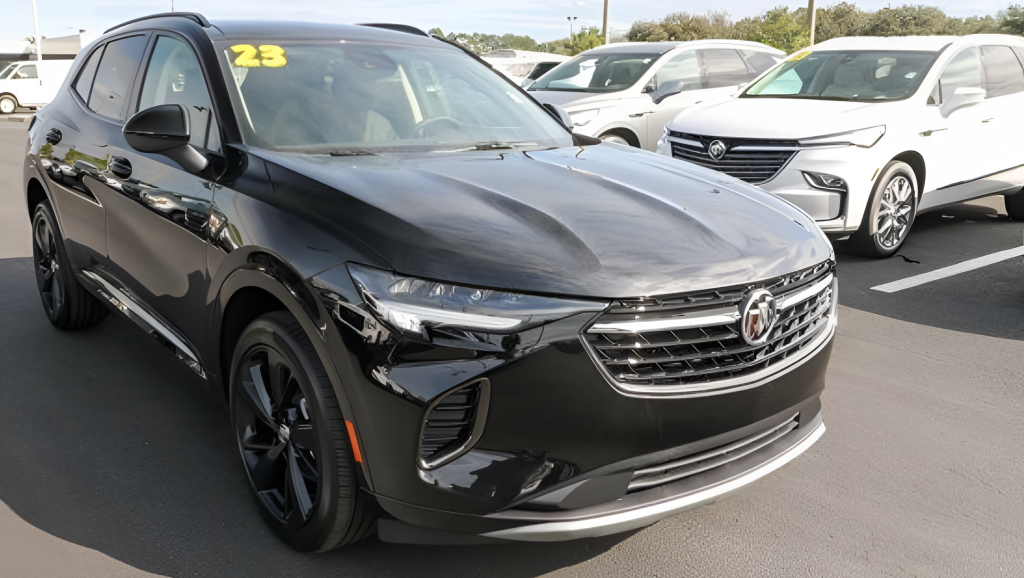
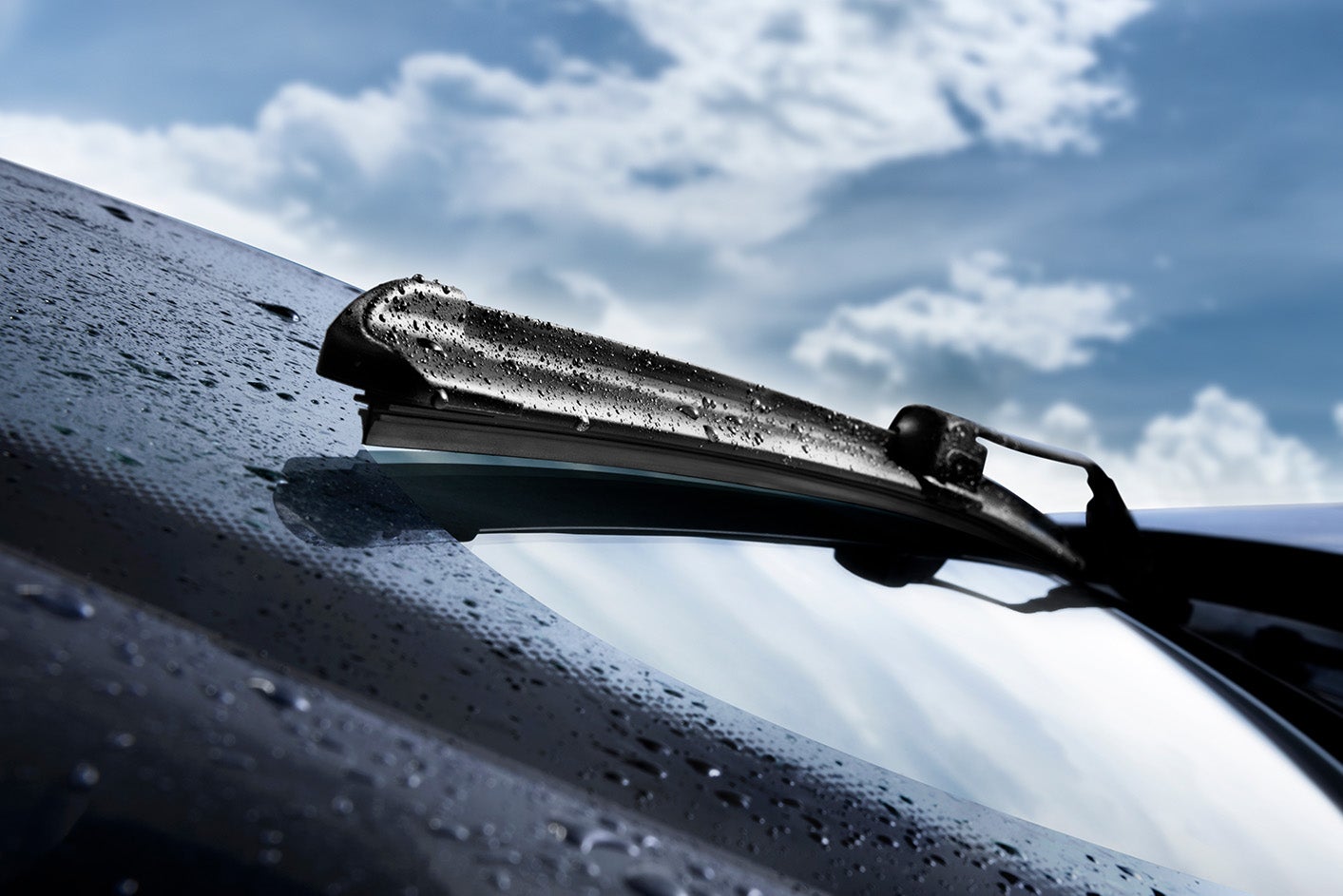
Windshield wipers in Florida on a car window

How Often Should Your Replace Your Windshield Wipers in Florida?

In Florida, your windshield wipers face more than just the occasional rain shower. With intense sun, high humidity, and frequent downpours, wiper blades wear out faster than many drivers realize. Staying on top of replacement timing is essential for maintaining clear visibility especially when you're navigating the roads around Ozello, Lecanto, Crystal River, and Homosassa. Whether you're driving a rugged GMC Sierra or a refined Buick Enclave, healthy wipers are a small detail that makes a big difference in safety. If you're wondering how often you should replace your windshield wipers in Florida, you're in the right place. This guide breaks down the key factors affecting wiper lifespan, signs it’s time for a change, and tips to keep your windshield clear in every season. For quick service and expert advice, visit or contact Eagle Buick GMC your trusted source for car care in Florida. How Does Florida’s Climate Impact Windshield Wiper Lifespan? Florida weather is tough on wipers. Between sun, heat, and rain, blades wear out faster than many drivers expect. Long-term sun can dry rubber. Heavy rain and salt air from the coast add more stress. This is why Florida windshield wipers often need replacing sooner than in cooler states. For drivers in Ozello and Crystal River, daily weather shifts are the norm. In a GMC Sierra, where visibility is key, worn blades can be a big safety risk. Here’s how Florida affects your wipers: Sun damage – UV rays cause rubber to crack Rain exposure – Frequent use leads to faster wear Salt and bugs – Debris from roads and coastlines break down blade edges Heat and humidity – Moist air and heat reduce rubber strength over time If you park outside or drive near water, your wipers likely wear even faster. What Is the Recommended Windshield Wiper Replacement Frequency? On average, wiper blades should be replaced every 6 to 12 months. In Florida, that time may be even shorter. Rain, salt, and sun combine to wear blades down. For a vehicle like the Buick Enclave, which many families rely on, fresh wipers are a must for safe drives. Key things to know about windshield wiper replacement frequency: Condition Suggested Timeframe Mild use in cool climates Every 12 months Heavy use in hot, wet weather Every 6–9 months Signs of damage or noise Replace right away Watch your blades and adjust based on where you live. Lecanto and Homosassa get hit with heat and sudden showers, so sooner is often safer. What Are the Signs That It’s Time to Replace Your Windshield Wipers? Worn wipers are easy to spot if you know what to look for. If they skip or smear, it’s time to swap them out. In a large truck like the GMC Sierra, poor blade contact can block part of your wide view. Signs you need new blades: Streaks or smears – Wipers leave trails instead of a clean sweep Noise – Squeaks, groans, or chattering sounds Missed spots – Uneven wipe or patches of water left behind Damaged rubber – Cracks, chips, or loose edges Old age – If it’s been 6–12 months, replace them even if they seem fine For safe driving and to avoid bigger car repairs in Florida, keep your wipers in check. How Do Blade Quality and Usage Affect Longevity? Not all blades are made the same. Some are built to last. Others may need to be changed more often. High-end blades, like those made with silicone, hold up better in heat. That’s a plus for Florida windshield wipers, where the sun takes a toll. How long your blades last also depends on how you drive. The Buick Enclave may cruise smoothly, but if it’s used a lot in rain or near the coast, wipers wear out quicker. What affects blade life? Blade type Standard rubber: 6 months Silicone or beam: Up to 12 months Driving conditions City with road grime: Shorter lifespan Coastal roads with salt: More blade wear Storage Covered parking helps reduce sun damage Hot sun all day speeds up blade aging Choose quality when you can. It pays off in the long run. Why Wiper Health Is Critical for Drivers in Western Florida Visibility is key on Florida roads. One quick storm can drop rain so fast it blinds you. In towns like Lecanto or Homosassa, where roads may have less lighting, that can be dangerous. A wide vehicle like the GMC Sierra needs clear sightlines. That’s where wiper health matters most. Reasons to track your windshield wiper replacement frequency: Fast-moving storms – Weather shifts often in coastal towns Rural roads – Less light means you need clear glass Road spray – Dirt, salt, and bugs build up fast Safe stops – Poor wipers delay reaction times In places like Crystal River, your blades are your first line of defense. Can You Replace Windshield Wipers Yourself, or Should You Visit a Service Center? Replacing your own windshield wipers can be quick and simple. Many modern blades are designed to snap into place with ease. You can often install them in under ten minutes. But while the task may seem easy, doing it wrong can affect how well the blades work. For example, some drivers forget to remove the blade cover or install the wrong size. On a larger vehicle like the Buick Enclave, the shape of the windshield and the angle of the arms can make replacement a bit trickier. If the wipers don’t sit just right, you may end up with streaks, missed spots, or even scratches on your glass. While do-it-yourself is possible, there are real reasons to visit a certified technician especially if you want to avoid surprise car repairs in Florida caused by poor visibility or damage to your windshield. When it’s smart to visit a service center: You are unsure of the correct blade size The wiper arm feels loose or bent The old blade is stuck or not coming off easily You’ve had trouble seeing clearly even after changing blades You want your washer system checked at the same time Trained techs can inspect the full wiper system, clean your windshield, and top off your washer fluid. If you’re in a rush or just want to be sure it’s done right, a quick visit is worth it. Even better, at a service center like Eagle Buick GMC, you’ll get the right parts for your vehicle the first time. That peace of mind matters especially during Florida’s storm season. What Else Should You Check During Windshield Wiper Replacement? When you’re changing your blades, it’s the perfect time to look at other parts of your wiper system. The blades are just one piece of the puzzle. If anything else in the system is worn or damaged, new blades alone won’t fix the problem. For owners of vehicles like the GMC Sierra, which has a wide front windshield, full coverage is key. All parts must work together for clean, streak-free glass in every rainstorm. Here’s a helpful checklist to follow during each blade change: Part to Check What to Look For or Do Wiper arms Are they tight and straight? Look for bends. Windshield washer fluid Is the tank full? Top it off if low. Spray nozzles Do they spray evenly? Are any blocked or clogged? Windshield surface Clean it with a quality glass cleaner. Remove bugs or film. Wiper motor Does it sound smooth? A slow or noisy motor may need service. Florida windshield wipers take a lot of abuse from heat, bugs, and rain. That’s why a full system check every 6 to 12 months can help prevent visibility issues and reduce long-term wear. If you notice choppy movement or your blades skip across the windshield, it might not just be the blade. Checking all parts helps keep your vision clear and your drive safe whether you're heading through Crystal River during a summer downpour or navigating back roads in Lecanto. Florida drivers often face a mix of intense sun, heavy rain, and high humidity—conditions that can wear down windshield wipers fast. These frequently asked questions will help you understand when and why to replace your wipers and how Florida’s weather plays a role. How long do windshield wipers last in Florida heat and humidity? Windshield wipers in Florida typically last 6 to 12 months due to the state’s high heat and humidity. What are the signs that my windshield wipers need to be replaced in Florida? Common signs include streaking, skipping, squeaking, poor visibility, and cracked or split rubber blades. Do I need special windshield wipers for Florida's rainy season? No, but high-quality blades especially those made of silicone perform better and last longer in Florida’s extreme weather. How much does it cost to replace windshield wipers in Florida? Wiper blade replacement typically costs between $20 and $40 for most vehicles, depending on the brand and type. Can Florida sun damage cause windshield wipers to wear out faster? Yes, UV rays and extreme heat can dry out and crack the rubber, leading to quicker wear and reduced performance. These quick answers help you stay ready for the road especially when weather in Ozello, Lecanto, Crystal River, or Homosassa turns wet or wild. For full inspections or replacements, you can always visit the experts at Eagle Buick GMC. Stay Safe on the Roads with Eagle Buick GMC Keeping your windshield wipers in top shape is key to safe driving especially in Florida’s unpredictable weather. If you live in Ozello, Lecanto, Crystal River, or Homosassa, our team at Eagle Buick GMC is here to help. Whether you're keeping your GMC Sierra road-ready or need a checkup for your Buick Enclave, we can take care of it all. While you're here, feel free to browse our wide range of new and used vehicles. From family SUVs to work trucks, there’s something for every lifestyle. Need more info? Contact our service team today for expert help with wiper blade checks, replacements, and other basic maintenance. For Florida drivers, there’s more to safe driving than clear windshields. Check out our tips on car flag laws, cargo road rules, or car firearm rules to stay informed and protected on the road. Disclaimer: All information is provided for general informational and entertainment purposes only. While we strive for accuracy, we cannot guarantee that all content is complete, current, or error-free. Any reliance you place on such information is strictly at your own risk. This article may include opinions and is not endorsed by, or officially affiliated with, any vehicle manufacturer or brand. Always consult official sources – such as the vehicle’s owner’s manual, authorized dealerships, or certified professionals – for the most up-to-date and personalized information.

American flag flying with a blue sky and clouds in the background

Is it Legal to Fly a Flag on Your Car in Florida?

Flying a flag on your car is a bold way to show pride—whether it's the American flag, your favorite sports team, or a message you believe in. But before you mount that flagpole on your ride and cruise through Crystal River, Lecanto, Ozello, or Homosassa, there’s one key question to ask: Is it legal to fly a flag on your car in Florida in 2025? The answer is yes but with a few important rules you'll want to follow to stay street legal and safe. In this blog, we’ll break down Florida’s latest car flag laws, including how to mount a flag properly, what size restrictions to watch out for, and where local regulations might apply. Whether you're driving a rugged GMC Sierra 1500, a heavy duty Sierra 2500, or the powerful Sierra 3500, knowing the rules will help you stay compliant while showing your colors on the road. If you have questions about vehicle accessories, safety features, or the best trucks for hauling flags and gear, visit or contact Eagle Buick GMC your trusted automotive partner in the heart of Citrus County. Can You Legally Fly a Flag on Your Car in Florida? If you’re wondering whether it’s legal to fly a flag on your car in Florida in 2025, the answer is generally yes but there are some rules you need to follow. Displaying a flag can be a great way to show pride, especially when driving through places like Crystal River, Lecanto, Ozello, or Homosassa. However, there are specific guidelines in place to ensure safety and compliance with the law. Here are the key things to keep in mind: Flag Placement: The flag should be mounted securely and not obstruct the driver’s view. This means it cannot cover the windshield or other areas that are crucial for visibility. License Plate Visibility: It’s important that the flag does not obscure the view of your license plate. In Florida, this is especially important as state laws require the license plate to be visible at all times. Vehicle Compatibility: The rules apply to all vehicles, including pickups like the Sierra 1500, which often carry flags for various events and celebrations. However, make sure the flag is safely secured to avoid it becoming a road hazard. By following these simple guidelines, you can safely and legally fly a flag on your car in Florida, ensuring that both your pride and your safety are intact while on the road. Rules on Securing a Flag on Your Vehicle in Florida When displaying a flag on your car, it’s important to follow specific rules to stay in compliance with Florida car flag laws. Here are the main points you need to know: Secure Attachment: The flag must be securely attached to prevent it from falling off or causing a hazard while driving. It should not be loose or flapping in the wind. Flag Size: While Florida doesn’t have strict size limits for flags, they should be small enough to avoid becoming a distraction. Flags should not extend more than four feet beyond the rear of your vehicle. This is especially important if you're driving a larger vehicle like the Sierra 2500, which has more surface area for flags to hang from. No Obstruction: The flag cannot obstruct your view or block any essential vehicle parts such as the headlights, taillights, or license plate. This is to ensure that your car is still safe to drive and visible to other drivers on the road. Daytime and Nighttime Restrictions: If your flag extends beyond the rear of your car, Florida law requires it to be clearly marked during daytime or nighttime driving. You must use red flags or reflective lights to indicate any overhanging load, especially during low visibility conditions. Sticking to these rules will keep you compliant with Florida's car flag laws, ensuring your flag display doesn’t interfere with your driving or the safety of others on the road. Car Mounted Flag Laws in Florida: Specific Restrictions Florida has specific restrictions in place regarding the use of flags mounted on cars. It’s important to follow these rules to avoid legal issues and ensure your flag display is safe. Here are the key restrictions to remember: Flag Mounting: The flag must be securely mounted and should not obstruct important parts of your car. This includes not blocking the driver’s view or obstructing the license plate. Safety Standards: If the flag extends too far from your vehicle, like in the case of trucks such as the Sierra 3500, you need to follow additional safety standards. This includes marking the overhanging flag with a bright red flag during the day or using a red light at night. Flag Display Rules for Specific Flags: If you’re displaying the American flag or the Florida state flag, keep in mind that these should be shown with respect. Florida law prohibits adding any advertisements or designs to these flags. Additionally, mutilating or showing disrespect for these flags is illegal. By adhering to these specific rules, you ensure that your flag display on your car is both safe and legal while respecting the law. Florida Flag Display Rules for Different Vehicles Not all vehicles are created equal when it comes to flag displays. Different vehicles may have different requirements, especially larger ones like trucks. For Trucks Like the Sierra 2500: When you have a larger vehicle, like the Sierra 2500, it’s essential to ensure the flag is mounted securely so it doesn’t affect the vehicle’s operation. Large trucks provide more space for flags but also increase the risk of overhanging flags becoming a hazard. Motorcycles: On motorcycles, flags must be securely attached to the center rear or to the right of the rider, according to Florida’s flag display rules. Passenger Cars: For smaller vehicles, flags should be mounted to the side or rear but never block the driver’s visibility or the vehicle’s license plate. Regardless of the vehicle you’re driving, it's important to ensure your flag display follows Florida’s specific car flag rules to ensure safety and compliance. How to Respectfully Display a Flag on Your Car When it comes to displaying flags on vehicles, there are several laws in place to ensure respect and safety. Florida, like many other states, has specific regulations on how flags can be displayed on cars. While it is generally legal to display flags on your vehicle, it's important to follow certain guidelines to make sure you're complying with local rules. Here are key things to keep in mind regarding auto flags legislation: Proper Mounting: Flags should be securely mounted to avoid distractions or safety risks. A flag that is not properly fastened could fly off and become a hazard to other drivers. Flag Size: There are no specific state laws regarding flag size, but it’s important to choose a flag that doesn’t obstruct your view or interfere with the operation of your vehicle. Respectful Display: The law encourages all drivers to display flags in a manner that shows respect to the symbol being represented. This is particularly important when displaying national or state flags. Flag Type: Ensure the flag you're displaying is not offensive or inappropriate. Some local ordinances may impose restrictions on certain flags or symbols. Should You Fly a Flag on Your Car in Western Florida? When driving in Florida, especially in areas like Ozello, Lecanto, Crystal River, and Homosassa, it’s important to be aware of any local considerations when displaying flags on your vehicle. While the state laws are fairly broad, local laws and customs can vary. Here are some tips to consider when driving in these areas: Respect Local Sentiments: In rural areas like Ozello and Lecanto, people may hold strong community and cultural values. Be mindful of this when displaying certain flags. Check Local Ordinances: Each county or city may have unique rules. It's always a good idea to check for any local ordinances before displaying flags in public areas. Be Mindful of Flag Etiquette: In these regions, especially near public places like parks or government buildings, displaying a flag should be done respectfully. Flags should not be displayed in a way that could be seen as offensive. Consider the Environment: The weather in Florida can sometimes be harsh, so ensure your flag is made of durable material that can withstand sun and rain. How to Drive Responsibly with Flags on Your Vehicle If you want to display a flag on your vehicle, it's important to ensure that you do so safely and responsibly. Following some simple rules can make a big difference in keeping your flag display both legal and respectful. Here are some tips for driving responsibly with flags on your vehicle: Mount Securely: Ensure that the flag is mounted securely to avoid it obstructing your view or becoming a hazard on the road. Avoid Over-Sized Flags: Flags that are too large can block your rearview or side mirrors, affecting your ability to drive safely. Use Flagpoles That Meet Regulations: Be sure to use flagpoles designed specifically for vehicles. These are often shorter and more stable than DIY flag mounts. Maintain Flag Condition: A worn or torn flag should be removed or replaced immediately to avoid disrespecting the symbol it represents. Be Aware of Speed Limits: High speeds can cause flags to flap wildly, which can be distracting and cause unnecessary wear on the flag. By following these tips, you can display your flag proudly and safely while respecting Florida car flag rules. Is there a size or height restriction for flags attached to cars in Florida? Florida does not have specific state laws regarding the size or height of flags on cars, but flags should not obstruct the driver's view. The flag should be mounted in a way that does not interfere with the vehicle's operation, including mirrors and windows. Can I fly any type of flag, or are there content restrictions? You are generally allowed to fly most types of flags, but it's important to ensure that the flag is respectful and in good condition. Flags that could be seen as offensive, disruptive, or inappropriate may be subject to local ordinances or general public decency laws. How do I secure the flag to prevent accidents or obstruction of view? To secure the flag properly, use a vehicle flagpole designed for cars. It’s important to ensure the flag is tightly fastened and does not obstruct your view. Avoid using makeshift mounts or overly large flags that could flap in the wind and cause distractions or accidents. Fly Your Flag High with Eagle Buick GMC As you explore the possibility of flying a flag on your car, it's important to consider the safety and legality of doing so. If you're interested in learning more about vehicle regulations and safety tips, feel free to reach out to Eagle Buick GMC for more information. Whether you're a resident of Ozello, Lecanto, Crystal River, or Homosassa, our knowledgeable team is here to help. In addition to providing answers about flag regulations, we invite you to explore our wide selection of vehicles, including the Sierra 1500, Sierra 2500, and Sierra 3500. These trucks are built to handle both work and play, offering unmatched power and reliability. If you're interested in towing with your new vehicle, check out our guide on how to safely tow a trailer. If fuel efficiency is a priority, you may also want to learn more about how your car's color impacts its MPG. Additionally, for those curious about truck design, discover why bigger trucks have wider mirrors for improved safety. Visit Eagle Buick GMC today to explore our models and take the next step in your vehicle journey. Our team is ready to assist with all your questions and needs.

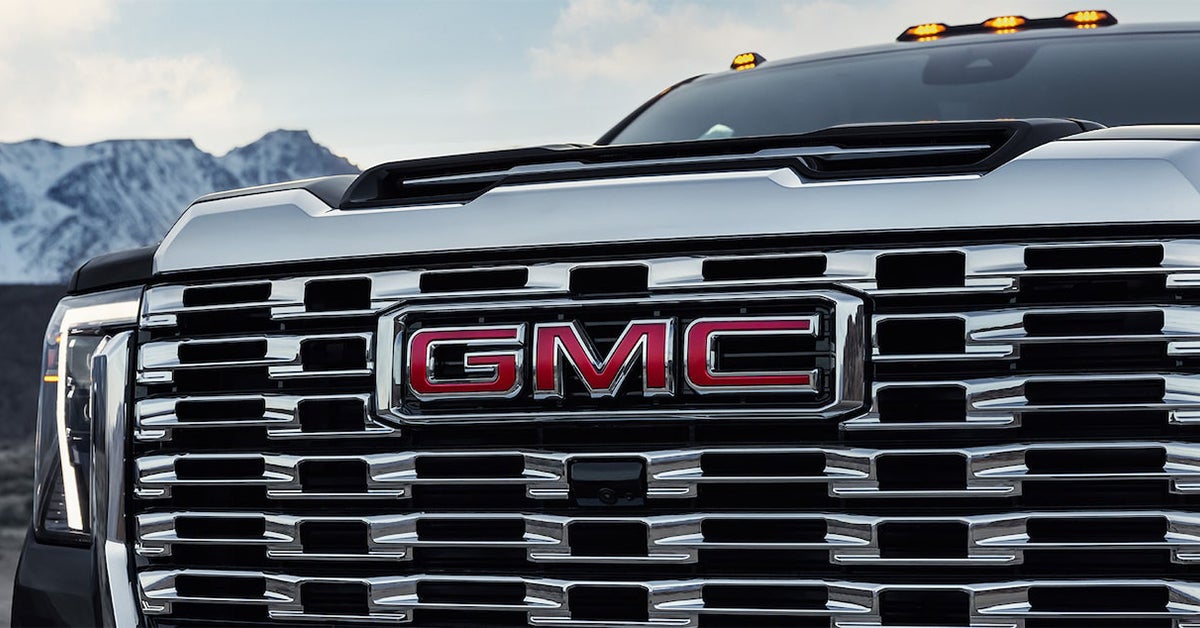
2025 GMC Sierra 2500 HD grill and logo up close

Driving with Paper Plates in Florida: How Long is Legal?

When you purchase a vehicle in Florida, one of the first things you’ll likely encounter is a paper plate or temporary tag. But how long can you legally drive with these paper plates before they expire? Whether you're cruising through the streets of Crystal River, Ozello, or Lecanto in your new GMC Sierra 1500 or Buick Enclave, understanding the rules around temporary tags is essential to avoid fines and stay on the right side of the law. In this guide, we’ll break down the key facts about driving with paper plates in Florida, including how long they’re valid, when you need to take action, and what to do if your permanent plates don’t arrive on time. Ready to hit the road worry-free? Visit or contact us at Eagle Buick GMC for more information and assistance with your vehicle registration process. Let’s make sure your ride is smooth and hassle-free. View Our New Vehicles Get Directions Contact Us Legal Time Limits for Driving with Paper Plates in Florida If you’ve just bought a new Enclave, you’ll likely leave the lot with a temporary paper plate. But how long can you legally drive with it in Florida? Here’s what the law says about driving with paper plates in Florida in 2025: 30-Day Validity: The most common paper tag issued in Florida is valid for 30 days. This period gives you enough time to wait for your permanent registration and license plate. Make sure to get your registration completed before the 30 days are up, or you risk fines or other penalties. 10-Day Temporary Tag: In certain situations, you might receive a 10-day paper tag. This happens when the car requires additional checks, such as a VIN (Vehicle Identification Number) verification or a weight check. The tag allows you to legally drive the car while the state processes the registration or other required documentation. 90-Day Temporary Tag: For specific cases, such as custom vehicle registrations or requests for special plates, a 90-day tag can be issued. This extended tag is typically given when a vehicle is not ready for full registration due to custom work or if you’ve ordered a personalized plate. No Extensions for Expired Paper Tags: Florida law does not allow for extensions on expired temporary plates. Once the paper plate expires, you must have a permanent registration or an extension granted by the dealer to continue driving legally. Be sure to monitor the expiration date to avoid issues. Penalties for Driving with Expired Paper Plates : Driving with expired paper plates can lead to consequences. These may include traffic tickets, fines, or even your car being towed if you're caught driving after the tag expires. In addition, if you fail to register your car on time, you may face additional fees when you finally complete the registration process. Key Tips: Complete your car registration before your paper tag expires. Carry necessary documents with you, such as proof of purchase, insurance, and the temporary tag receipt. If you don't receive your permanent plates on time, contact your dealer for assistance. Avoid the hassle and make sure to finalize your registration process well ahead of the 30-day deadline to keep driving smoothly and legally in Florida! Paper Plate Issuance Process for Florida Drivers So, how do drivers in Lecanto or Homosassa get paper temp tags in Florida? Most of the time, the dealer handles this for you. Here’s how the process works: You buy a car like the GMC Sierra 1500. The dealer issues a temporary paper plate to you at the time of sale. The tag is placed on the back of your car and includes your info. The tag gives you legal time to drive until the real plate arrives. Keep the bill of sale and tag papers in your car while you drive with the paper tag. If a police officer stops you, you may need to show them. How Long Do You Have to Register Your Vehicle in Florida? Florida gives you time to register your new car, like the GMC Terrain. But don’t wait too long. Key facts about Florida vehicle registration time: You have 30 days to register the car after purchase. This rule applies whether you buy from a dealer or private party. You can register online, by mail, or in person at the DMV. Failing to register in time can lead to late fees or other issues. Act early so you don’t run into problems. It’s fast, and you’ll avoid stress down the road. Special Circumstances That Impact Temporary Plate Duration Not all paper plates follow the same rules. Some situations change how long the tag is valid. Common temporary plate types and how long each lasts: Standard dealer tag – Good for 30 days; used in most car sales. VIN or weight check tag – Good for 10 days; used when the car needs inspection. Job or custom plate tag – Good for 90 days; used for special work or custom orders. Let’s say you just bought a Buick Envista and ordered a custom plate. You might get a 90-day tag until the plate is ready. Always check the expiration date printed on your paper tag. Don’t wait until the last day to get your permanent plate. Consequences of Driving Without Valid Plates Driving with expired paper plates in Florida is not worth the risk. Even if you’re behind the wheel of a new Enclave, you’re still responsible for staying legal. Here’s what might happen if your temporary tag is expired: You may get a traffic ticket or fine: Law enforcement can issue citations the moment your tag is no longer valid. Fines can range from $100 to $500 depending on the county. Some cities may tow your car if your tag is not valid: If you’re parked in public and your plate is expired, your vehicle may be impounded without notice. You could pay more when you finally go to register the car: Late fees and penalties apply if you miss your registration window. These costs add up quickly. Insurance coverage could be impacted: Some policies may not cover claims if you're driving with expired plates, especially after a crash. It may affect your driving record: A ticket for expired tags could put points on your license and may lead to higher insurance rates. To avoid all of this: Mark the expiration date on your calendar. Register the vehicle before the temp plate runs out. Keep all your paperwork up to date. Even if you just got your vehicle, like a brand-new Enclave, you're expected to follow state law. Driving without a valid plate is a risk that’s easy to avoid. Navigating the License Plates & Registration in Florida When you buy a new car in Florida, you’ll likely drive away with a paper tag, often referred to as a paper temp tag. These tags are an essential part of the vehicle purchase process, giving you legal permission to drive while waiting for your official license plate. Here’s what you need to know about navigating the paper plate process: Paper tags are temporary. They allow you to drive legally while you wait for your permanent plates. The dealer will typically handle the paperwork for you, including issuing the paper tag at the time of sale. Most paper tags are valid for 30 days. After this period, they must be replaced with a permanent registration. If you’ve purchased a car like the Sierra 1500, the dealer will ensure the paper plate is properly displayed while you wait for your permanent tag. While these temporary plates are important, it's crucial to stay aware of the expiration date. Don’t let it slip past you! Driving with an expired paper plate can lead to fines and other consequences. How to Complete Your Florida Vehicle Registration Process Once you've purchased your car, such as the GMC Terrain, it’s time to finish your Florida vehicle registration. This process is simple, but you must ensure everything is done within the required time frame. Steps to complete your Florida vehicle registration: Visit the DMV or handle your registration online. Florida offers both options, so you can choose whichever is easiest for you. Provide necessary documents. These include your proof of purchase (like the bill of sale), your paper tag, and proof of insurance. Pay the registration fees. Be prepared to pay for your license plate and registration. Receive your permanent plates. Once the process is complete, you’ll get your official license plate. Florida requires vehicle registration within 30 days from the time of purchase. Make sure to handle this promptly to avoid any late fees or penalties. Once your registration is processed, you can officially drive with your permanent plates, leaving the temporary tags behind. How long can I legally drive with temporary plates in Florida? You can legally drive with temporary plates in Florida for 30 days from the date of issue. What documents do I need to carry along with paper tags? You should carry the following: Proof of insurance Driver’s license Temporary registration paperwork (often issued by the dealer or DMV) Bill of sale or purchase agreement (recommended) Are there penalties for exceeding the allowed duration on temp plates? Yes. Driving with expired temporary plates can result in fines, citation, and possibly having your vehicle towed or impounded. These answers help you stay on the right side of the law while your vehicle registration is finalized. Always act before your paper tags expire. Keep Your Vehicle On the Road with Eagle Buick GMC Have more questions about driving with paper tags? Our team at Eagle Buick GMC is here to help. Whether you need details about your temporary registration or guidance with your vehicle paperwork, we’re just a call or visit away. Drivers in Ozello, Lecanto, Crystal River, and Homosassa are invited to stop by and check out our wide range of cars and trucks. We have a great lineup, including the Sierra 1500, Terrain, Enclave, and Envista. No matter what you need in a ride, we’re here to help you find the right fit. While you're here, keep exploring helpful tips on our site. If you’re hauling gear or a camper, make sure you know the best way to strap a trailer. Wondering how your truck’s size impacts gas use? Learn more about vehicle weight MPG. And if you’ve ever asked why your truck mirrors are so wide, we’ve answered that too in truck mirror size. We’re always working to make your drive safer, smarter, and more fun. Come visit us or explore more online today. Get Directions to Eagle Buick GMC Disclaimer: All information is provided for general informational and entertainment purposes only. While we strive for accuracy, we cannot guarantee that all content is complete, current, or error-free. Any reliance you place on such information is strictly at your own risk. This article may include opinions and is not endorsed by, or officially affiliated with, any vehicle manufacturer or brand. Always consult official sources – such as the vehicle’s owner’s manual, authorized dealerships, or certified professionals – for the most up-to-date and personalized information.

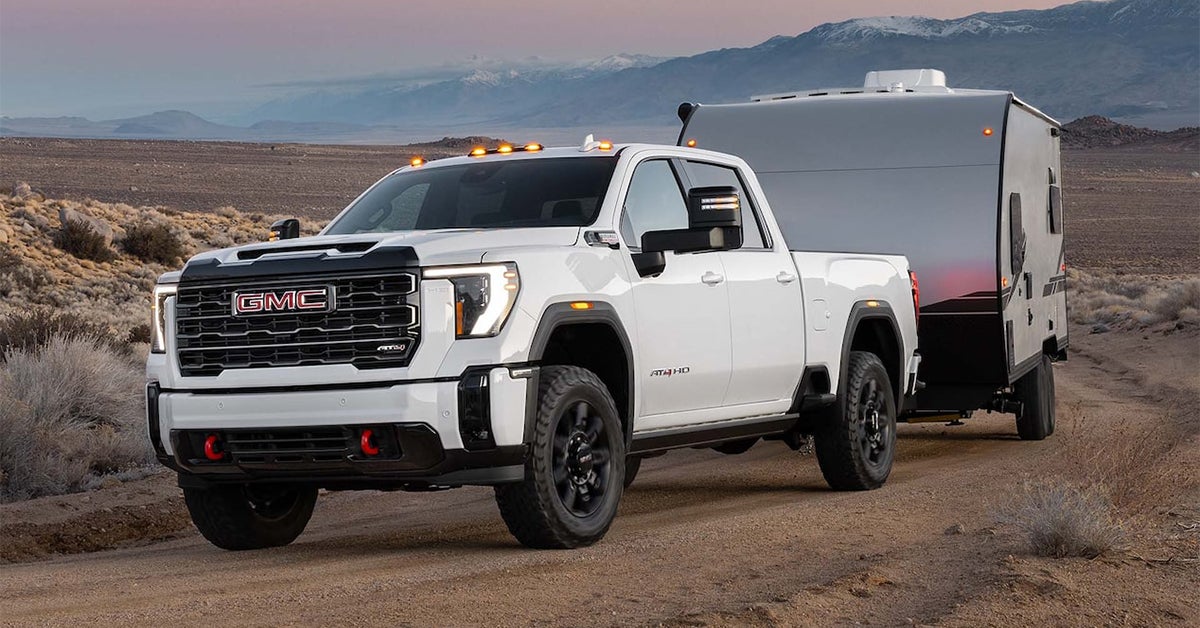
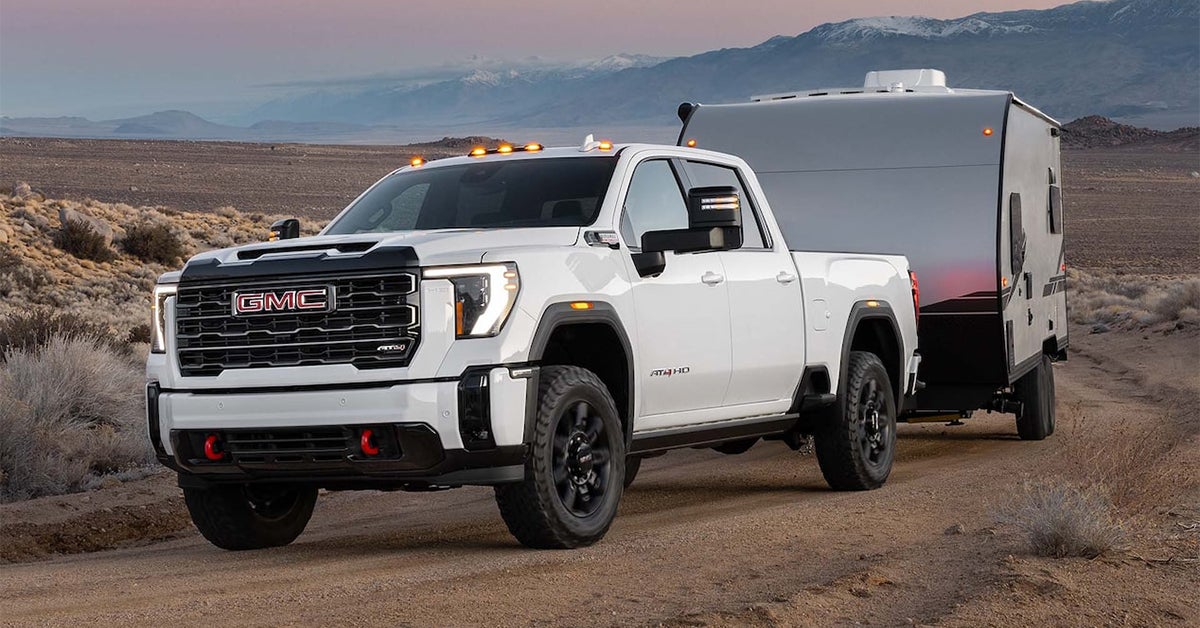
2025 GMC Sierra 2500 HD towing a smaller trailer in the desert at dusk

What Should You Do if Cargo Falls off Your Truck on the Road?

You're cruising down the road in your GMC Sierra 1500, hauling gear through Homosassa or Lecanto, when it happens a loud thud happens, a glance in the mirror, and your heart drops. A piece of your cargo has fallen off. Now what? Whether you're driving a Sierra 2500 loaded with materials or towing with a Sierra 3500, knowing exactly what to do when cargo hits the pavement isn’t just important; it could save lives and keep you out of legal trouble. In this guide, we’ll break down the right steps to take if cargo falls off your truck on the road. From keeping yourself and others safe to handling legal responsibilities and avoiding common mistakes, we’ll cover it all. If you're hauling in Crystal River, Ozello, or anywhere in Citrus County, this is information every truck owner needs to know. Need a truck built to handle heavy loads with confidence? Visit or contact Eagle Buick GMC today, and we’ll help you find the right Sierra for the job and show you how to haul smarter and safer. What to Do Immediately When Cargo Falls off Your Truck If you ever find yourself in a situation where cargo falls off your truck, the first step is always to stay calm and think through your next actions. The priority is safety—yours and everyone else on the road. Here are the basic steps to take right away: Pull Over Safely: As soon as you notice that cargo has fallen off your truck, move to the safest possible spot. Look for a wide shoulder or pull into a nearby parking lot. Ensure you’re far from traffic and not blocking any lanes. Activate Hazard Lights: Turn on your hazard lights to alert other drivers that there’s a problem. This signals to others that they should approach with caution. Check for Injuries: Assess yourself and any passengers for injuries. If you’re hurt or someone else is, call 911 immediately. Never take unnecessary risks by ignoring injury concerns. Avoid Running into Traffic: Never attempt to retrieve cargo while it’s on the road, especially if traffic is nearby. Your safety is the top priority. If the cargo is causing a hazard, contact authorities to handle the situation. Secure Your Vehicle: Once safely stopped, make sure your vehicle is turned off and in "park" mode. This will help avoid further issues, like unintentional rolling. Taking these actions quickly can reduce the risk of additional accidents and injuries. Whether you're driving a Sierra 1500 or another vehicle, always remember to prioritize safety first. When to Call Authorities and Why It Matters When cargo falls off your truck, it’s important to call the authorities as soon as possible. This helps manage the hazard and keeps everyone safe. Here’s when to call and why it matters: Call Immediately If There’s a Road Hazard: If the fallen cargo is blocking a lane or making it dangerous for other drivers, it’s essential to call the police or highway patrol right away. They’ll assist in clearing the road and managing traffic. If There’s Property Damage or Injury: In the event of any property damage or injury caused by the dropped load, you must contact authorities to document the scene. This helps protect you legally. When You’re Not Sure What to Do: If you're unsure about the severity of the situation or how to proceed, calling authorities ensures that professionals handle the situation correctly. Authorities Can Help With Safe Removal: Local authorities have the tools and personnel to safely remove any debris from the road. Attempting to clear it on your own could put you and others at risk. For larger vehicles like a Sierra 2500, which might be hauling heavier or bulkier loads, the risk of serious consequences from a dropped load can be higher. This makes the role of authorities even more important in such situations. How to Document the Scene for Safety and Liability When cargo falls off your truck, you need to document the scene carefully. This helps with safety, insurance claims, and potential legal matters. Here’s how to do it: Take Photos of the Scene: Snap clear, detailed photos of the fallen cargo, your truck, and the surrounding area. Include images of the position of the vehicle, any damages, and nearby road signs or obstacles. Capture License Plate and Truck Information: If possible, record the license plate number and any company identification on the truck. This can help clarify who was responsible for the incident, especially in commercial situations. Get Witness Information: If any witnesses were present, ask for their contact details. Witnesses can support your version of events and provide important evidence for any claims. Record Your Own Account: Write down exactly what happened. Include the time, location, and how the cargo fell off. This can help you remember the details if you need to explain the incident later. Save All Documents: Keep any police reports, photos, and written statements in an organized folder. You’ll need this information for both insurance claims and possible legal steps. By documenting the scene carefully, you can protect yourself from potential liability issues. Lost cargo can lead to legal steps, and having the right documentation can make a huge difference in a case of liability or insurance claims. Who’s Legally Responsible for a Dropped Load? After a load drops from your truck, one of the most important questions is who is responsible. The answer depends on several factors. Here’s a breakdown of who might be liable: The Driver’s Responsibility: As the driver, you’re responsible for ensuring your cargo is properly secured before hitting the road. Failure to secure the load properly can lead to legal consequences, especially if the cargo causes damage or injury. The Trucking Company’s Responsibility: If you work for a trucking company, they may share liability, especially if the cargo was improperly loaded or secured by their staff. They also may be responsible if they failed to train you on securement regulations. The Loader’s Responsibility: If the load was improperly loaded onto your truck, the person or company that loaded the cargo may be held liable for the incident. Follow the Proper Trucking Spillage Procedure: The trucking spillage procedure involves ensuring that your load is secure and follows all safety guidelines. If cargo falls off because of improper loading, the company responsible for that part could be held liable. Whether you're driving a Sierra 1500 or another vehicle, ensuring proper loading and securement is critical to avoiding these issues. Reporting the Incident to Insurance or Your Employer If your cargo falls off the truck, you’ll need to report the incident to the appropriate parties. Here’s how to navigate the process: Notify Your Insurance Provider: Call your insurance company immediately to report the incident. They will guide you through the claims process and may send someone to assess the damage. Contact Your Employer (If Applicable): If you're hauling cargo for an employer, notify them as well. They may need to report the issue on their end, especially if it involves business-related cargo or damages. Keep a Record of the Incident: When speaking to both your insurance company and employer, make sure you provide all the details you’ve documented. This includes photos, reports, and any witness statements. Follow Up on the Claim: After filing your report, follow up with both your insurance company and employer to track the progress of the claim and resolve any issues. Taking these steps right away will help you get the situation under control and minimize potential issues. Whether you’re driving a Sierra 2500 or another vehicle, having the proper insurance and employer contact info will ensure you're covered. Checking and Resealing Your Remaining Load Once a load has fallen off your truck, it's essential to check the remaining cargo to ensure its safety. This step is important for preventing future incidents and keeping the road safe. Here are a few things to keep in mind: Inspect the Cargo: Before moving your vehicle, take a moment to check if any items are loose or improperly secured. Ensure Stability: Ensure that all remaining items are stable and unlikely to shift during transport. This is crucial for safety, especially on busy roads. Reseal the Load: If necessary, reseal or secure the remaining cargo with proper equipment such as ropes, straps, or nets. Check Weight Distribution: Make sure the load is evenly distributed to avoid putting too much stress on one side of the truck. Regular checks on your load can prevent further accidents. When securing a load, be mindful of the road conditions and the weight your truck can carry. How to Prevent Cargo Spillage in the Future To avoid future incidents of cargo spillage, it's important to take proactive steps. Proper load securement is key to ensuring your cargo stays in place. Here's how you can prevent future issues: Use Proper Securing Equipment: Invest in high-quality straps, tarps, and netting to keep your cargo secure. Double-Check Before Departure: Always double-check your load before heading out on the road. Know Your Load's Limits: Ensure that your vehicle, like the Sierra 1500, is equipped to carry the load you're hauling. Monitor the Load: Periodically check on the load throughout your trip. If you notice any shifting, stop to adjust the load. Properly Balance the Load: Ensure the weight is balanced and not concentrated on one side of the vehicle. These simple steps will help reduce the risk of future cargo spills and enhance your road safety. Common Mistakes Drivers Make with Load Securement Drivers often make mistakes when securing cargo, which can lead to dangerous situations. Here are some common errors and how to avoid them: Overloading the Truck: Overloading can cause instability and increase the chance of spillage. Always adhere to weight limits. Not Using the Right Equipment: Using the wrong type of straps or failing to secure cargo properly can result in a dropped load. Improper Load Distribution: If the load is not evenly distributed, it can shift during transport, leading to accidents. Rushing the Process: Taking shortcuts when securing cargo can lead to mistakes. Always take your time to properly secure everything. Neglecting to Check the Load: Some drivers neglect to inspect their load throughout the journey. Regular checks can help prevent mishaps. To avoid these mistakes, follow best practices for load securement and ensure you have the right equipment for the job. What immediate actions should I take if cargo falls off my truck on the highway? Immediately pull over to a safe location, turn on your hazard lights, and assess the situation. Ensure your safety and that of other drivers. If it's safe, retrieve the cargo or secure it until you can safely call for help. Am I liable for damages if my load causes an accident? Yes, you can be held liable for damages if your improperly secured load causes an accident. Ensuring proper load securement is key to avoiding liability and preventing road safety hazards. Should I call law enforcement or clear the road myself if it’s safe? If it’s safe, you may clear the road, but it's generally advisable to call law enforcement. They can manage the situation, especially if there are other drivers involved, and they will document the incident properly. Load Your Truck Safely and Drive Securely with Eagle Buick GMC If you're from Ozello, Lecanto, Crystal River, or Homosassa, stop by Eagle Buick GMC to explore our extensive selection of vehicles. From the versatile Sierra 1500 to the powerful Sierra 2500 and Sierra 3500, we have the perfect truck for any need. At Eagle Buick GMC, we are dedicated to helping you find a truck that fits your lifestyle. Whether you need a reliable workhorse for transporting cargo or a vehicle that can handle tough terrains, we have the right options for you. While you're here, check out some of our other helpful resources. Discover how vehicle color impacts MPG, learn essential trailer strapping tips, or get familiar with Buick trim levels. We encourage you to continue exploring our site for all the information you need to make informed decisions about your next vehicle. If you have any questions or need assistance, don’t hesitate to reach out to us at Eagle Buick GMC!

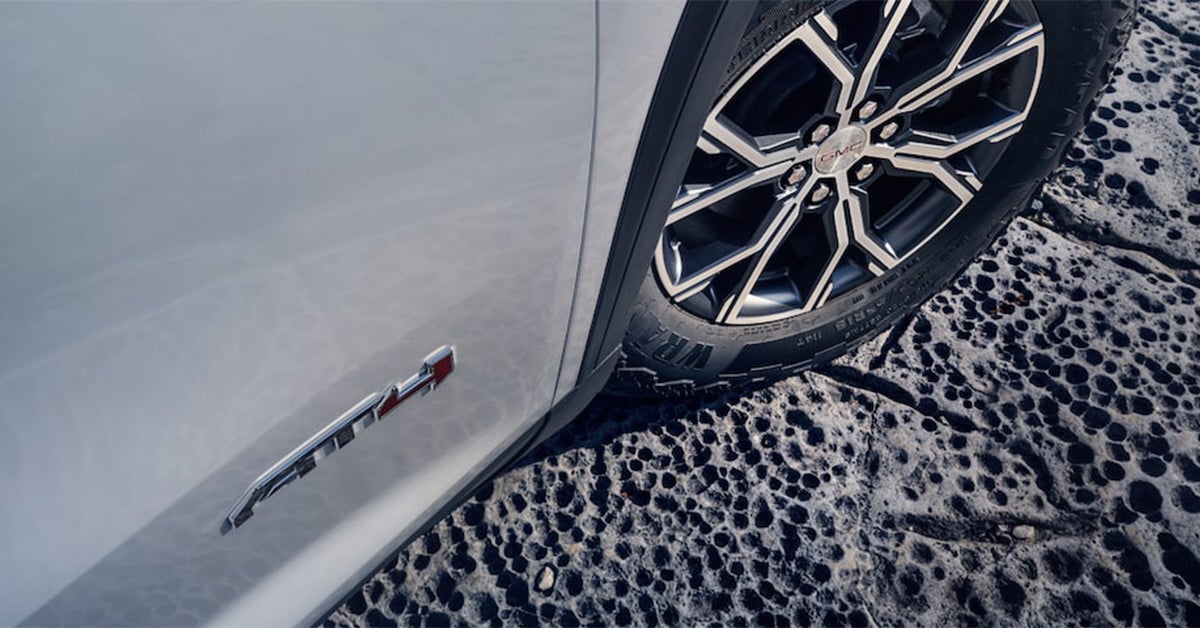
2025 GMC Acadia AT4 wheel and badging

Rules on Driving with Firearms in Your Vehicle in FL

Driving in Florida comes with its own set of rules, but when it comes to transporting firearms in your vehicle, it’s essential to understand the law to stay safe and compliant. Whether you're heading out for a road trip in your Sierra 1500, running errands in a Sierra 2500, or tackling tough jobs with a Sierra 3500, knowing how to legally carry and secure a firearm in your vehicle is crucial. Florida's firearm laws for vehicles have specific guidelines, and navigating them can be tricky if you're not familiar with the details. In this blog, we’ll break down the essentials of Florida's rules on driving with firearms in your vehicle for 2025. Plus, if you’re in the market for a reliable GMC truck to make those trips more secure and comfortable, stop by or contact Eagle Buick GMC for your next adventure-ready vehicle. Let’s dive into the key rules and make sure you're driving safely and legally with your firearms in tow. View Our New Vehicles Get Directions Contact Us What are the Rules About Driving with Firearms in Your Car in FL? Florida has specific laws that govern how firearms can be transported in a vehicle. These rules are important to follow to avoid fines or legal trouble. Whether you drive a Sierra 1500 or another vehicle, knowing the basics is crucial. In Florida, you can legally possess a firearm in your vehicle, but there are strict guidelines about how and where it should be stored. Important Items to Keep in Mind when Driving with Firearms in Florida Minimum Age: You must be 18 years or older to possess a firearm in your vehicle. Secure Storage: The firearm must be in a place where it’s not easily accessible, such as in the glove compartment, trunk, or a secure container. Not on Your Person: Unless you have a concealed carry license, the firearm cannot be on your person. It is best to have your firearm unloaded and separate from all passengers in a secure container at all times. Private Conveyance: These rules apply to vehicles, but they don’t always apply to bicycles or other forms of transportation. Understanding these laws is the first step toward ensuring you are complying with Florida car gun laws and transporting firearms in your car safely and legally. If you’re driving through Ozello, Lecanto, Crystal River, or Homosassa, make sure your firearm is properly secured to avoid penalties. What Does "Securely Encased" Mean in Florida's Firearm Laws? In Florida, the term "securely encased" refers to how a firearm must be stored in your vehicle. Florida car gun laws are clear on this point: firearms must be kept in a way that makes them inaccessible for immediate use. This helps prevent accidents and ensures that the firearm is safely contained. When transporting firearms, here are the main rules: In a Closed Container: Firearms can be stored in a locked case, holster, or any closed container. In a Glove Compartment: The glove compartment is a legal storage option if it’s locked and the firearm is not within easy reach. Trunk Storage: Storing a firearm in the trunk of a vehicle in a secure container is an ideal way to keep it secure and not easily accessible. If you're driving a Sierra 2500 through Homosassa, this is especially important. The larger storage areas in vehicles like these offer more options for securing firearms, which makes it easier to follow the law. Possessing Firearms Without a Concealed Carry License If you don’t have a concealed carry license, you can still possess a firearm in your vehicle. However, there are important rules you need to follow. Transporting firearms in car FL laws allow individuals to carry firearms in their vehicles without a concealed carry license, but the firearm must be stored securely. Here’s what you need to know: No Concealed Carry: Without a concealed carry license, the firearm cannot be on your person. It must be stored securely within the vehicle. Secure Encasing: The firearm must be “securely encased,” as we discussed earlier, which can include storage in a locked container or compartment. Eligibility: You must be at least 18 years old to possess a firearm in a vehicle. When driving a Sierra 3500, you might have additional space to ensure your firearm is properly stored. Be sure to understand these rules, especially if you're traveling to different areas like Crystal River or Lecanto, to ensure you're always compliant. Concealed Carry License and Firearms in Vehicles If you hold a concealed carry license, you have more flexibility when it comes to carrying a firearm in your vehicle. Concealed carry car rules in Florida allow individuals with a valid license to carry their firearm in the car, provided it is kept concealed. Key details include: Concealed Firearm: With a concealed carry license, the firearm can be carried in the vehicle without being in a locked container or compartment. No Need for "Securely Encased": If the firearm is concealed, it doesn't need to be securely encased, as long as it remains hidden from view. License Requirements: The firearm must be concealed at all times, even in the vehicle. The holder of the license must follow all regulations regarding concealed carry. If you’re planning to drive through Ozello or Lecanto, understanding these concealed carry car rules is vital to avoid running afoul of the law. Make sure to check with local law enforcement to ensure you properly follow all local, state, and federal firearm rules. Understanding Open Carry Restrictions in Florida Florida’s laws also have restrictions when it comes to open carry, even in your vehicle. Rules driving firearms vehicle Florida 2025 are clear: open carry is not allowed unless specific exceptions apply. Here are some key points: No Open Carry: Florida does not allow the open carry of firearms in public, including in vehicles, except under certain circumstances. Exceptions: You may carry a firearm openly when engaging in lawful activities such as hunting, target shooting, or fishing, and when traveling to or from those activities. Penalties for Violation: If you violate the open carry laws, you could face serious criminal charges. If you're driving a Sierra 2500 to a shooting range or hunting trip in Florida, make sure to comply with the open carry exceptions to avoid any issues. Permitless Carry Law: What You Need to Know In Florida, the Permitless Carry Law allows individuals to carry a firearm in public without the need for a concealed carry license, as long as they meet certain requirements. Here’s what you need to know about carrying firearms in your vehicle under this law: Eligibility: You must be at least 21 years old and legally allowed to possess a firearm. Location: The firearm must be stored securely and cannot be on your person unless you have a concealed carry license. Storage: A firearm in a vehicle must be “securely encased” in a glove compartment, console, or locked container. Concealed Carry: If you have a concealed carry license, the firearm can be hidden on your person or in your vehicle. Important: Even with the new law, transporting firearms in Florida still comes with responsibilities. If you’re traveling in a Sierra 3500 or any other vehicle, make sure to follow these guidelines and any other necessary regulations to ensure you're compliant. School Zones and Employer Parking Lots: Special Considerations When it comes to transporting firearms in your vehicle, there are specific rules for school zones and employer parking lots that you need to know. School Zones: Restricted Areas: It’s illegal to carry a firearm in a school zone unless you have a concealed carry permit. Exceptions: Firearms may be allowed if you are a licensed school employee or are picking up a student. Penalty: Violating this rule can result in criminal charges, including felonies. Employer Parking Lots: Employer Policies: Some employers may prohibit firearms in their parking lots, even if you're legally carrying. Notification: Employers must inform you of their policy. You may not store a firearm in your vehicle if it's against the employer's rules. Workplace Protection: While Florida law allows employees to store firearms in their vehicles at work, this does not apply if the employer explicitly forbids it. Whether you’re driving a Sierra 1500 or any other vehicle, make sure to check the rules in school zones and work parking lots to stay within the law. Its always best to check with local law enforcement just to be on the safe side. Can you Carry a Firearm when Riding Motorcycles & Bicycles in FL? While most of the laws for transporting firearms in vehicles apply to traditional cars and trucks, there are key differences when it comes to motorcycles and bicycles. Here's what you should know: Motorcycles: Firearms must be securely encased in a hard-sided container and stored in a place where it is not easily accessible. A motorcycle saddlebag could be an acceptable storage area, as long as it’s locked. Bicycles: Transporting firearms on a bicycle is not as straightforward. It’s best to store the firearm in a secure container or backpack that is sealed and not in plain sight. The concealed carry car rules for motorcycles and bicycles are a bit more flexible, but safety and legality are still a top priority. Ensure that your firearm is out of sight and securely encased when you are on two wheels, just as you would in your Sierra 2500 or any other vehicle. Always follow all regulations regarding firearm safety, transportation, and security. Penalties for Violating Florida’s Firearm Transport Laws Florida takes the transport of firearms very seriously. Failing to follow the rules can result in serious penalties. Here’s a breakdown of potential consequences: Fines: You could face hefty fines for improperly storing or carrying firearms in your vehicle. Criminal Charges: Depending on the violation, you may face misdemeanor or felony charges. Penalties could include jail time. Confiscation: Law enforcement may seize the firearm if it’s found to be unlawfully transported. Disqualification: Violating firearm transport laws could result in the loss of your right to own or carry a firearm in the future. If you're driving a Sierra 3500 or any other vehicle, make sure you're fully aware of and compliant with Florida’s rules driving firearms vehicle Florida 2025 to avoid costly penalties. Staying Compliant While Traveling Through Florida When traveling through Florida, whether in your Sierra 1500 or another vehicle, it's essential to stay compliant with firearm transport laws to avoid legal trouble. Here's how you can do that: Know the Laws in Every County: Florida has varying regulations based on the county or city. Make sure you understand the local rules wherever you're driving. Secure Your Firearm: Always ensure that your firearm is stored securely and in compliance with the Florida car gun laws. Concealed Carry: If you have a concealed carry permit, you can carry your firearm on your person, but be sure to follow the specific rules for concealed carry. By staying informed and following the rules, you can avoid unnecessary complications while traveling through Florida with a firearm in your vehicle. Can Commercial Drivers Carry a Firearm when Driving in FL? If you are a commercial driver, it’s important to understand how federal regulations affect transporting firearms in your vehicle. These laws are different from state rules and have strict requirements. Here’s what you need to know: Federal Firearm Transport Rules: Interstate Travel: Commercial drivers traveling across state lines must comply with federal law when transporting firearms. States may have different rules, but federal law sets the minimum standard. Secure Storage: Firearms must be stored securely and not in the passenger area of the vehicle. A Sierra 2500 or any commercial truck should have the firearm locked in a trunk, glove box, or another secure, inaccessible area. Traveling through Restricted Areas: Federal laws prohibit firearms in certain places, such as federal buildings and military bases, even if you are just passing through. Key Points to Remember: No Firearms in Passenger Compartment: The firearm should be out of reach, in a locked case or area. Compliance with State Laws: While federal law provides a baseline, individual states may have their own restrictions, so make sure to follow local rules. Employer Rules: If you drive for a company, check if they have additional firearm transport policies. Federal law provides important guidelines for commercial drivers to follow when transporting firearms, ensuring safety and compliance. Always stay aware of both federal and state rules to avoid legal issues, especially when driving a commercial vehicle like a Sierra 2500. Can I legally keep a firearm in the glove box or under the seat in Florida? Yes, you can legally keep a firearm in the glove box or under the seat in Florida, as long as the firearm is securely encased. This means the gun must be in a closed compartment or container, such as a glove box, console, or a locked case. What are the rules for concealed carry permits when driving? With a concealed carry permit, you can legally carry a firearm on your person or in your vehicle. The firearm must be concealed and not visible to others. If you're carrying in your vehicle, the firearm can be in a concealed location on your person or in a compartment like a glove box. Do specific regulations apply to long guns vs. handguns in a vehicle? Yes, specific regulations do apply to long guns versus handguns. Long guns, such as rifles and shotguns, must also be securely encased when transported in a vehicle. However, handguns typically have more flexibility, as they can be carried concealed on your person or stored securely in a vehicle with a concealed carry permit. Ride Safely through Florida with Eagle Buick GMC As you navigate the rules on carrying firearms in your vehicle, it's always a good idea to stay informed and make sure you’re following Florida's laws correctly. If you need more details or have specific questions, feel free to reach out to us at Eagle Buick GMC. We are happy to assist with any concerns you may have or help you get into a new Buick or GMC vehicle. If you're in Ozello, Lecanto, Crystal River, or Homosassa, we invite you to explore our wide selection of vehicles, including the Sierra 1500, Sierra 2500, and Sierra 3500. These trucks offer robust performance, making them ideal for a variety of needs, whether you're driving through Florida or taking on tougher tasks. For those interested in how your vehicle’s weight impacts fuel efficiency, or if you need tips on strapping down your trailer, we’ve got resources for you. Learn more about how these aspects can affect your driving experience in our helpful guides. Plus, if you've ever wondered why bigger trucks have wider mirrors, we’ve got the answers for you too. Explore our site to learn more, and feel free to contact us for any additional information you might need! The contents of this blog are strictly for entertainment purposes. Drivers should always check with local and state law enforcement to ensure all requirements for driving with firearms are met. These laws are subject to change at any time, and drivers are liable for following all rules and regulations. Get Directions to Eagle Buick GMC Disclaimer: All information is provided for general informational and entertainment purposes only. While we strive for accuracy, we cannot guarantee that all content is complete, current, or error-free. Any reliance you place on such information is strictly at your own risk. This article may include opinions and is not endorsed by, or officially affiliated with, any vehicle manufacturer or brand. Always consult official sources – such as the vehicle’s owner’s manual, authorized dealerships, or certified professionals – for the most up-to-date and personalized information.

Police in the rear view mirror of a car

10 Tips to Avoid Traffic Violations When Towing

Towing a trailer isn’t just about hooking up and hitting the road it’s about doing it right. Whether you’re hauling a boat to the Gulf or transporting gear across Citrus County, one wrong move can catch the attention of law enforcement fast. From overloaded trailers to missing brake lights, there are plenty of reasons police might pull you over and most are completely avoidable. If you're towing in Florida’s scenic areas like Ozello, Lecanto, Crystal River, or Homosassa, knowing the rules and following best practices isn’t just smart it’s essential. In this guide, we’ll break down the key tips to help you avoid getting pulled over when towing in 2025. We’ll also spotlight how GMC trucks like the Sierra 1500, 2500, and 3500 make legal and safe towing easier than ever. And if you’re looking for expert advice or need a vehicle equipped to tow with confidence, visit or contact the team at Eagle Buick GMC your trusted partner in safe and legal trailering. 1. Know Your Vehicle’s Towing Limits and Stay Within Them Before you hitch up and go, take time to know what your truck can pull. If you push it past its limits, you risk a breakdown or worse. Each truck has a set weight it can tow. That number is not a guess. It is there to keep you safe. Your owner’s guide is the best place to start. Look for the “Gross Combined Weight Rating” (GCWR). This tells you the most your truck and trailer can weigh together. Use this list to make sure you stay within the limits: Know your truck’s tow rating Know your trailer’s loaded weight Add in the weight of people and gear Make sure the sum is less than your GCWR Never guess. Always check the numbers. This will help you avoid getting pulled over while towing and keep stress off your truck. Staying within the limit helps your brakes work well and keeps the ride smooth. Some trucks, like newer models built to tow strong loads, make this step easy. But even with a strong truck, too much weight puts you at risk. Go by the book not by feel. 2. Double-Check Your Trailer Lights and Wiring Before Every Trip Lights help you stay seen. They also show what you plan to do. That’s why trailer lights are not a choice they are the law. If one goes out, others can’t see your brake or turn signs. That’s a good way to get stopped on the road. Police may check lights during towing stops. They look to see if your gear is road-safe. If your lights fail, you could face a fine or worse, cause a crash. Here’s what to check before each trip: Test brake lights, turn signs, and hazards Look for frayed or bent wires Check that all plugs are tight and dry Make sure wires don’t drag on the road Even if your truck has top-grade towing power, like a model built for strong loads, bad lights can get you stopped fast. A few extra minutes spent checking can save you time and stress down the road. 3. Keep Your Registration, Plates, and Driver’s Credentials Up to Date Paperwork may not seem like a safety issue but it is. Out-of-date tags or a missing license can lead to big problems. A full stop by police may be the least of them. Having the right papers proves your trailer, truck, and license are in order. It’s a must for both safety and peace of mind. It also helps protect you from fines or towing. Use this list to make sure all is current: Your driver’s license Truck and trailer registration Insurance proof Plates and tags This may sound like a lot, but these are basic legal towing tips. A well-kept truck is not just about power it’s also about prep. A truck built for hauling should also be backed by current papers. When your papers are in order, you’re less likely to be stopped. You also show that you take the road and others on it seriously. 4. Distribute Weight Properly and Secure All Cargo Too much weight in the wrong spot can make your trailer sway or bounce. This is one of the top causes of road loss when hauling. A strong truck helps, but how you load your trailer is just as key. Keep these tips in mind when loading your gear: Put 60% of the weight in the front half of the trailer Keep heavy gear low and centered Balance side to side Use ratchet straps or tie-downs to lock items in place Make sure nothing can slide, shift, or fall out These safe trailering guidelines help you stay in control. They also keep others on the road safe. It doesn’t matter how short your trip is. Loose cargo is a risk each time you drive. Even with a truck that’s built to pull, smart loading makes the ride smoother and safer. 5. Use the Right Mirrors and Visibility Aids When Towing When you tow, your blind spots grow. You lose the wide view you’re used to. That makes the right mirrors a must. Some trucks come with mirrors made for hauling, but others may need add-ons. If you can’t see past your trailer, you may miss a car beside you. That’s a top cause of crashes when changing lanes. To boost what you can see, check that you have: Wide-view side mirrors or mirror extenders A backup camera for lining up the trailer Blind-spot alerts, if your truck has them Convex mirrors for better angle views These tools not only help with backing up, but also help you avoid getting pulled over towing. Some stops happen just because a driver sways or drifts due to poor sightlines. Even a strong truck needs help seeing what’s behind it. With the right view, you’ll stay on track and stay safe. 6. Obey Towing Speed Limits and Drive Conservatively When towing a trailer, it’s crucial to obey towing speed limits. Driving too fast can be dangerous, especially if you are unfamiliar with handling a trailer. Police are more likely to pull over drivers who are speeding or driving erratically, which can lead to costly fines or worse. Driving conservatively means taking extra precautions. You should always be aware of how much weight you are towing and adjust your driving style accordingly. If you’re towing a heavy load, make sure you reduce your speed to ensure safety and avoid attracting attention from police officers. Here are some tips for staying safe on the road: Follow Speed Limits: Many areas have specific speed limits for vehicles towing trailers. Be sure to follow these limits to stay within the law. Drive Smoothly: Avoid sudden stops or sharp turns. Gradual movements will help you maintain control and reduce the risk of accidents. Allow Extra Stopping Distance: Towing a trailer means you’ll need more time to stop. Always leave enough space between your vehicle and the car in front of you. By driving conservatively, you’ll ensure that you’re not only staying safe but also minimizing the risk of getting pulled over for unsafe towing practices. 7. Avoid Improper Lane Use and Maintain Lane Discipline When towing a trailer, lane discipline is especially important. Towing improperly or drifting out of your lane can raise suspicion for police officers. Staying within your lane helps avoid accidents and prevents getting pulled over. To maintain proper lane discipline, here are a few tips to keep in mind: Keep Centered in Your Lane: Ensure that both your vehicle and trailer stay within the lines of your lane. This makes your towing appear more controlled. Use Turn Signals Early: Always signal well in advance of any lane change or turn. This gives other drivers plenty of notice and helps prevent accidents. Be Aware of Your Trailer's Position: Your trailer may be wider than your vehicle, so always check for clearance before changing lanes. Maintaining lane discipline and being aware of your trailer’s position will reduce the chances of a police stop. 8. Ensure Your Towing Equipment Meets Legal Requirements Before heading out, make sure your towing equipment is legal and in good working order. Towing violations often happen because drivers fail to meet legal equipment standards. Police will pull you over if your setup doesn’t meet regulations, which could result in fines or delays. Here’s a checklist for ensuring your towing equipment meets legal requirements: Check Hitch Ratings: Make sure your hitch can handle the weight of your load. Using an improperly rated hitch can lead to dangerous accidents and legal issues. Inspect Safety Chains: Always attach safety chains to the trailer to prevent it from detaching. They must be crossed under the trailer tongue for added security. Check Brakes and Lights: Your trailer must have working brakes and lights, including brake lights, turn signals, and reflectors. By ensuring all your equipment meets legal standards, you can tow confidently without worrying about getting stopped. 9. Keep Your Documents Easily Accessible for a Police Stop If you get pulled over while towing, it’s important to have all necessary documents ready. Being unprepared can make the stop more stressful and time-consuming. Having your registration, insurance, and driver’s license easily accessible will make things go smoothly. Here’s what to keep on hand: Driver’s License: Always have your driver’s license ready for inspection. Vehicle Registration: Ensure your registration is current and available. Insurance Proof: Carry proof of insurance for both your vehicle and trailer. Make sure these documents are in a place where you can access them quickly, without having to fumble around. This will save time during a police stop and avoid additional delays. 10. Check Local and Regional Towing Laws Before You Drive Towing laws can vary by region, so it’s important to check local regulations before you hit the road. What’s legal in one state or county might not be legal in another, and failure to comply can result in a towing violation. Here’s how to stay on top of local towing laws: Research Local Laws: Before traveling to a new area, check towing laws specific to that region. Local authorities may enforce different speed limits or equipment requirements. Know Weight Limits: Some areas have different weight limits for trailers and vehicles. Be sure your load is within legal limits. Understand Special Restrictions: Some areas may have restrictions on when you can tow certain items or require special permits for larger loads. Bonus Tip: Take Advantage of Modern Towing Technology Modern towing technology can provide a great sense of security when towing a trailer. Many vehicles now come with features that make towing easier and safer. These technologies can help prevent accidents, reduce the risk of legal violations, and ensure that you are towing in the safest manner possible. Here are some key benefits of using modern towing technology: Towing Assist Features: Some vehicles offer towing assist features that help guide your vehicle when backing up a trailer. This can reduce the risk of accidents or damage. Adaptive Cruise Control: Adaptive cruise control can adjust your speed when towing. This helps maintain a safe distance from other vehicles and ensures that you stay within speed limits. Trailer Sway Control: This feature detects trailer sway and automatically adjusts braking to correct it. This can make towing much safer, especially in windy conditions. Blind Spot Monitoring: Towing can block your visibility, but blind spot monitoring can help you stay aware of vehicles in your blind spots. This reduces the risk of changing lanes unsafely. By taking advantage of these modern technologies, you can tow with more peace of mind. These features not only make towing easier but also help ensure that you are following legal towing guidelines and keeping everyone on the road safe. When towing a trailer, it's essential to know the common violations, how to properly use trailer lights, and whether towing regulations differ from state to state. These insights can help you stay compliant with the law, avoid getting pulled over, and tow safely. What are the most common towing-related violations that lead to traffic stops? The most common towing-related violations include: Towing without the proper license or permit Failure to follow towing speed limits Lack of proper trailer lights or signals Improperly securing the load Overloading the trailer beyond weight limits How do proper trailer lights and signals help avoid getting pulled over? Proper trailer lights and signals are crucial because they make your trailer visible to other drivers, especially at night or in poor weather conditions. They also ensure you comply with legal requirements, helping you avoid fines and traffic stops. Working brake lights, turn signals, and reflective markers are essential for safe towing. Do different states have varying enforcement for towing regulations? Yes, towing regulations can vary between states. Some states may have different weight limits, speed restrictions, and equipment requirements. It's important to research the towing laws for each state you travel through to avoid violations and potential traffic stops. Contact Eagle Buick GMC for More Towing Tips and Vehicle Recommendations If you're looking to learn more about towing and how to avoid getting pulled over, feel free to reach out to our team at Eagle Buick GMC. We’re happy to answer your questions and guide you on how to tow safely and confidently. Our knowledgeable staff is always available to provide information, discuss towing tips, and recommend the best vehicles to suit your needs. For those visiting from Ozello, Lecanto, Crystal River, and Homosassa, we invite you to visit our dealership and explore our wide selection of GMC trucks, including the Sierra 1500, Sierra 2500, and Sierra 3500. These models offer exceptional towing capabilities, powerful performance, and the reliability you need for both work and play. Whether you're hauling a trailer or loading up for a family trip, our trucks are designed to provide the strength and comfort you need. While you're here, take a moment to explore our other helpful content. Learn about how car color affects MPG, why bigger trucks need mirrors, and discover how vehicle weight impacts MPG. Each article offers useful insights to help you make informed decisions about your vehicle and improve your driving experience. Visit Eagle Buick GMC today and experience firsthand what makes our vehicles stand out. Our team is ready to help you find the perfect truck for your towing needs.

Community Blood Drive at Eagle Buick GMC June 4, 2025 from 11am - 4:30pm

Give the Gift of Life at Eagle Buick GMC’s Blood Drive on June 5

Eagle Buick GMC in Homosassa is proud to partner once again with OneBlood to host a community blood drive on Wednesday, June 5, from 10:30 a.m. to 4:00 p.m. This life-saving event is open to all eligible donors in Citrus County and beyond—and it's the perfect way to give back and make a difference. more Every two seconds, someone in the United States needs blood. Whether it's for accident victims, cancer patients, or individuals undergoing surgery, blood transfusions are critical for their survival. By donating blood at the Eagle Buick GMC blood drive, you become a vital link in this life-saving chain. 🩸 📍 Event Location: Eagle Buick GMC 1275 S Suncoast Blvd, Homosassa, FL 34448 Walk-ins are welcome, or you can reserve your spot ahead of time by clicking here. As a thank-you for donating, every donor will receive: ✅ A free $20 eGift card ✅ A free OneBlood Hat ✅ A free wellness checkup, including blood pressure, cholesterol, and iron level checks Whether you're a regular donor or it's your first time, your blood donation can help save lives right here in our community. Supplies are often critically low during the summer months, making your contribution even more essential. More Than Just Cars: Eagle Buick GMC is Committed to Our Community At Eagle Buick GMC, we believe in being more than just your local car dealership. We are deeply committed to our community and actively seek opportunities to give back and support the well-being of our neighbors. Hosting blood drives with OneBlood is just one of the ways we strive to make a positive impact. We understand the vital role blood donations play in saving lives, and we are honored to provide a convenient location for our community to contribute to this essential cause. Your participation in this blood drive reflects the strength and compassion of our Citrus County community, something Eagle Buick GMC is proud to support. 🗓️ Mark your calendar and stop by Eagle Buick GMC on June 5 to roll up your sleeve and support this important cause. Together, let’s drive hope and health - one donation at a time.

2025 GMC Sierra 2500 HD towing a smaller trailer in the desert at dusk

How to Safely Tow a Trailer: a Step-by-Step Guide

Towing a trailer can be a daunting task, especially with the added complexities that come with modern vehicles and trailers. Whether you're heading out for a weekend camping trip, transporting equipment for work, or bringing your boat to the water, ensuring safety on the road is paramount. In 2025, with advancements in towing technology and regulations, it’s essential to stay informed and prepared. That’s where our complete towing safety checklist comes into play. From understanding your vehicle's towing capacity to ensuring proper weight distribution and checking your lights, this guide will cover everything you need to know to tow with confidence. If you have questions or need assistance, don’t hesitate to visit or contact Eagle Buick GMC. Our knowledgeable team is here to help you hit the road safely and securely with your GMC Sierra 1500, Sierra 2500, or Sierra 3500. With the right preparation and awareness, you can enjoy a smooth towing experience, no matter your destination. Let’s get started on your towing journey! Step #1 Know Your Vehicle's Towing Capacity Before you hit the road, it’s essential to know how much your vehicle can tow safely. Every vehicle, including trucks like the Sierra 1500, has a maximum towing capacity, which is the highest weight it can handle. Exceeding this limit can put unnecessary strain on your vehicle and lead to safety hazards. To find your vehicle's towing capacity, check the owner’s manual or visit the manufacturer’s website. Here are some key things to keep in mind: Gross Vehicle Weight Rating (GVWR): This includes the weight of your vehicle and any load inside. Gross Trailer Weight (GTW): This is the weight of the trailer and its contents. Tongue Weight: This is the downward force the trailer applies to the hitch. Always ensure that your trailer’s total weight doesn’t exceed your vehicle's towing capacity. By doing this, you can enjoy a safer towing experience and minimize wear on your truck. Step #2 Check the Trailer Hitch and Connection A secure connection between your truck and trailer is critical to towing safely. Whether you’re using a Sierra 2500 or another truck, double-checking the hitch setup is a must. The hitch should be firmly attached, and the connection between the trailer and truck should be locked in place. Here’s a quick checklist to inspect your hitch and connections: Hitch Mount: Ensure the hitch is properly installed and bolted securely. Hitch Pin and Clip: Confirm these are fully inserted and locked. Safety Chains: Cross the chains under the trailer tongue and attach them to your truck's hitch. Electrical Connector: Make sure the plug is properly connected and secured. This simple inspection will go a long way in preventing accidents while towing. If you notice anything unusual or loose, address it before driving off. Step #3 Inspect the Trailer's Lights and Wiring Trailer lights and wiring are crucial for safety, especially when driving at night. Malfunctioning lights can lead to confusion for other drivers and increase the risk of accidents. It’s essential to check that your trailer’s brake lights, turn signals, and running lights are all functioning properly. Follow these steps to inspect the lights and wiring: Turn on the Vehicle: Activate the lights and test them from a distance. Brake Lights: Check that the brake lights light up when you apply the brakes. Turn Signals: Ensure both left and right turn signals are working. Wiring: Inspect the wiring for any signs of wear or damage. Make sure connectors are secure. Regularly checking these items is one of the most important safety steps you can take when towing. A well-lit trailer makes you visible to others and helps avoid accidents. Step #4 Examine Tires for Safety Tires play a key role in keeping both your truck and trailer safely on the road. Whether you’re driving with your Sierra 1500 or towing a larger trailer, make sure your tires are in excellent condition. Worn or underinflated tires can lead to blowouts, making the entire trip dangerous. Follow these steps to check your trailer’s tires: Tire Pressure: Check the pressure with a gauge and inflate to the manufacturer’s recommended PSI. Tread Depth: Ensure the tread is not too worn, as this can reduce traction. Visible Damage: Look for cracks, cuts, or bulges that could indicate tire failure. Spare Tire: Don’t forget to check your spare tire for proper pressure and condition. By inspecting your tires before each trip, you reduce the risk of accidents and ensure a smoother ride. Step #5 Distribute Load Weight Properly Proper weight distribution is key to safe towing. Unevenly distributed weight can affect the stability of both your vehicle and the trailer. Overloading the rear of the trailer or improper weight placement can cause swaying or even jackknifing. Here’s how to distribute weight properly: Balance the Load: Place 60% of the weight in the front half of the trailer and 40% in the back. Secure the Load: Use straps and tie-downs to ensure the load doesn’t shift during transit. Tongue Weight: Ensure the tongue weight is around 10-15% of the total trailer weight for stability. Proper weight distribution improves handling and safety. Follow these guidelines to ensure your towing experience remains smooth and safe. Step #6 Test and Adjust the Braking System Before towing, it's vital to test and adjust your vehicle’s braking system. A well-functioning braking system ensures that both your truck and trailer can stop safely. Whether you're driving a Sierra 3500 or another vehicle, always check your brakes before starting any journey. Here are some key steps for testing and adjusting your braking system: Test the Brake Controller: Ensure that your trailer’s brake controller is working properly. Press the brake pedal and check that the trailer’s brakes activate. Adjust the Brake Controller: If you notice that the trailer is braking too hard or not enough, adjust the brake controller. This ensures a smooth and controlled stop. Check for Drag: When braking, your trailer should not drag or feel unbalanced. Test this by driving at low speeds and applying the brakes gently. Inspect the Brake Pads and Shoes: Examine the brake pads and shoes for wear. Worn brake components may need replacement to ensure effective stopping power. By testing and adjusting your braking system, you improve both safety and performance while towing. Follow this checklist to ensure you’re ready for the road. Step #7 Ensure Proper Mirror Adjustment and Visibility Proper mirror adjustment is essential for safe towing. It ensures that you can see both your trailer and the road around you. Whether you're driving a Sierra 1500 or another vehicle, your mirrors should be positioned correctly before setting off. To adjust your mirrors for optimal visibility, follow these steps: Adjust the Side Mirrors: Your side mirrors should give you a clear view of the road behind and to the sides of your vehicle and trailer. Consider Blind Spots: Make sure you can see beyond the trailer's sides. You may need additional towing mirrors to eliminate blind spots. Adjust the Rearview Mirror: Adjust the rearview mirror so that you can view the trailer’s position behind you. Check the Trailer's Position: When the trailer is connected, you should be able to see it clearly in your mirrors without excessive movement. Taking the time to adjust your mirrors improves your visibility and reduces the risk of accidents. With proper adjustments, you can tow with confidence and ease. Step #8 Inspect Vehicle Suspension A healthy vehicle suspension system is crucial when towing a trailer. Your suspension keeps the ride stable, especially when hauling heavy loads. Whether you drive a Sierra 2500 or another truck, ensuring your suspension is in good condition is vital for a safe towing experience. Here’s how to inspect your vehicle's suspension: Check for Leaks: Inspect your shock absorbers for signs of fluid leaks, as this indicates they may need to be replaced. Examine the Springs: Check the condition of the suspension springs. They should not be cracked or bent. Look for Excessive Wear: If your suspension is making noise or feels unusually stiff, it may be time for repairs. Test the Ride: Bounce the truck up and down and observe how it rebounds. It should stabilize quickly. A well-maintained suspension system ensures your vehicle can safely carry the weight of the trailer. Regularly inspecting your suspension reduces the risk of breakdowns during your trip. Step #9 Evaluate Weather Conditions for Safe Towing Before hitting the road, always evaluate the weather conditions. Bad weather can affect your ability to tow safely, especially in windy or stormy conditions. Towing with a Sierra 3500 or any other vehicle requires more attention in adverse weather. Keep these safety steps in mind when towing in challenging weather: Check the Wind Speed: High winds can make towing difficult, especially with large or high-profile trailers. Monitor Rain or Snow: Wet roads reduce traction, making it harder to stop quickly. Adjust your driving speed accordingly. Be Prepared for Fog: Fog limits visibility. Drive slowly and use your fog lights when necessary. Watch for Ice: Ice can be unpredictable, so avoid towing when icy roads are expected. By evaluating the weather before towing, you can avoid dangerous situations. Always adjust your driving based on the conditions to ensure a safer journey. Bonus Step 1: Practice Reversing Your Trailer Reversing with a trailer is a skill that requires practice. Whether you’re driving a Sierra 1500 or another vehicle, mastering this skill is crucial for safe towing. It may feel tricky at first, but with the right techniques, you can handle reversing like a pro. Follow these tips to improve your trailer reversing skills: Use Your Mirrors: Keep a close eye on your mirrors to monitor the trailer’s movement. Turn Slowly: Turn the steering wheel slowly to guide the trailer into the desired position. Use a Spotter: When available, have someone guide you as you reverse. Practice in an Open Area: Start in an empty parking lot or another open space to build your confidence. Mastering reversing with a trailer makes parking and maneuvering much easier. Practice regularly to improve your skills and ensure safe towing on the road. Bonus Step 2: Make Sure You're Trailer is Stable Maintaining trailer stability while towing is crucial for a safe journey. A stable trailer reduces the risk of accidents and ensures smoother handling. Keep an eye on your trailer at all times to make sure it stays in line with your vehicle. Whether you're using a Sierra 2500 or any other vehicle, following these towing safety steps helps you maintain control. Here are some important things to watch for: Watch for Sway: If your trailer starts swaying, slow down. Reduce your speed gently and avoid sudden movements. Monitor Trailer Alignment: Keep your trailer aligned with your vehicle. If it pulls to one side, check the load balance. Check Tire Pressure: Make sure the trailer's tires are properly inflated. Uneven tire pressure can cause instability. Inspect Load Distribution: Ensure the weight of the load is evenly distributed. This prevents the trailer from tilting or swaying. By monitoring trailer stability, you can improve safety and reduce the chance of an accident. Always stay alert and make adjustments as needed during your drive. Bonus Step 3: Be Aware of Local Towing Laws and Regulations Understanding towing laws and regulations is essential for safe and legal towing. Each state may have different rules, so always check the local laws before you tow. In addition to the vehicle you drive, the trailer and its load also need to meet legal requirements. Towing a Sierra 3500 or any other vehicle means following these important rules. Here are key towing laws to consider: Maximum Trailer Weight: Know your vehicle’s maximum towing capacity. Never exceed this limit to avoid damaging your vehicle and trailer. Speed Limits: Some states have lower speed limits for vehicles towing trailers. Stay within these limits to avoid fines and accidents. Trailer Lights and Brakes: Ensure your trailer has functioning lights and brakes. These are often required by law for larger trailers. Safety Chains: Use safety chains to attach your trailer securely. This helps prevent the trailer from detaching in case of a hitch failure. License and Registration: Make sure your trailer is properly licensed and registered. This is often required by law in most states. By staying informed about towing laws and regulations, you ensure that your trip is safe and compliant. Always review the rules before heading out. Which safety checks should I perform on the trailer before towing? Before towing a trailer, you should perform the following safety checks: Check Tow Capacity: Ensure your vehicle can safely tow the trailer’s weight. Inspect the Hitch: Confirm that the hitch is secure and properly attached. Verify Lights and Wiring: Test that all trailer lights (brake, turn signals, and taillights) are functioning. Examine Tires: Check tire pressure and inspect for any signs of damage or wear. Secure the Load: Ensure that all items in the trailer are properly secured. Test the Braking System: Make sure the trailer’s brakes are functioning correctly. How do I verify that my truck is rated for the trailer’s weight? To verify your truck's towing capacity: Consult the Owner’s Manual: The manual will list the maximum towing capacity for your specific model. Check the Manufacturer’s Website: Look for towing specifications related to your vehicle’s make and model. Locate the VIN Sticker: This sticker may provide important information about your vehicle's specifications, including towing capacity. Keep Your Truck Trailer Ready with Eagle Buick GMC As you prepare to hit the road with your trailer, it’s important to ensure both your vehicle and trailer are in top condition for safe towing. If you live in Ozello, Lecanto, Crystal River, or Homosassa, Eagle Buick GMC has a wide selection of trucks like the Sierra 1500, Sierra 2500, and Sierra 3500 to meet all your towing needs. Our knowledgeable team is here to assist with vehicle recommendations and provide any additional tips to help you tow with confidence. If you're looking to learn more about GMC vehicles and towing, be sure to check out our other helpful articles, such as how to remotely start your Buick or learn more about different GMC trim levels. Whether you're exploring how to start your GMC or need assistance with key fob issues, we’re here to guide you every step of the way. Visit us today to find the right vehicle and keep your towing experience safe and enjoyable!

2025 GMC Sierra 2500 heavy duty truck with wide mirrors driving over a rocky hill

Why do Bigger Trucks have Wider Mirrors?

When it comes to larger trucks like the GMC Sierra 1500, Sierra 2500, and Sierra 3500, bigger isn't just about power or towing capacity – it's also about visibility. The bigger the truck, the wider the mirrors, and for good reason. Wider mirrors aren’t just a style choice; they are a crucial safety feature designed to minimize blind spots and improve your view of the road, especially when towing heavy loads. Whether you're navigating tight parking lots in Lecanto, merging onto busy highways in Crystal River, or towing a trailer through Ozello, the right mirror can make all the difference. So, why exactly do bigger trucks have wider mirrors? The answer lies in the need for enhanced visibility and safety while driving these larger vehicles. Let’s dive into the reasons that keep you safe on the road and why your next GMC might just be the perfect fit for your driving needs. Ready to explore more? Visit us at Eagle Buick GMC for a closer look at our selection of trucks that offer superior visibility and safety features. What do wider mirrors do? Larger trucks, such as the GMC Sierra 1500, are designed to do more than just haul heavy loads. Their size and strength make them ideal for towing and carrying large cargo, but they also bring challenges when it comes to visibility. Wider mirrors on these trucks are not just for looks—they serve an important purpose: to improve the driver’s line of sight. By providing a broader view, these mirrors help minimize blind spots and allow drivers to see more of their surroundings. Here’s how wider mirrors help: Increased Visibility: They expand the driver’s range of vision, especially when driving in heavy traffic or narrow lanes. Safer Lane Changes: Wider mirrors make it easier to see other vehicles in adjacent lanes, reducing the risk of collisions. Improved Towing Safety: When towing, visibility is crucial. Wider mirrors allow drivers to monitor both their truck and the trailer. Better Maneuverability: These mirrors also help when navigating tight spaces, such as parking lots or busy streets. In short, the wider the mirror, the safer the drive. It’s especially important for trucks like the Sierra 1500, where the added size can create potential hazards. Wider mirrors ensure drivers have the best possible view of their surroundings. Why Some Wider Vehicles Have Less Visibility Larger vehicles, like the GMC Sierra 2500, naturally have bigger blind spots compared to smaller cars. The increased size of these trucks makes it harder for drivers to see everything around them. Blind spots are areas where the driver’s view is obstructed, making it difficult to spot vehicles or objects. This is especially a concern in larger trucks, where the length, height, and width can limit the driver’s field of view. Why are blind spots a bigger issue for larger trucks? Height and Width: Bigger trucks sit higher and wider than regular cars, which blocks the view from standard mirrors. Larger Blind Spots: Trucks like the Sierra 2500 have a larger area of visibility obstruction, especially around the rear and sides. Towing Adds Complexity: When towing a trailer, the driver’s view is further limited by the size of the load. Wider truck mirrors help to combat these challenges. By extending the range of view, they help the driver see more of the road, reducing the chances of missing smaller vehicles or obstacles. Without these wider mirrors, the risk of accidents increases, particularly when changing lanes or reversing. Does Your Truck Need Wide Mirrors? When towing with a larger truck like the GMC Sierra 3500, the need for wider mirrors becomes even more important. Towing mirrors provide a broader view of the trailer, the road behind, and vehicles around the truck. These mirrors are designed to reduce blind spots that are created by the extended length of the vehicle and the trailer. Here’s how towing mirrors help improve safety: Increased Rearview Visibility: Towing mirrors allow drivers to see behind their trailer, which is often blocked when using standard mirrors. Easier Lane Changes: With towing mirrors, drivers can better judge the distance between their trailer and other vehicles when changing lanes. Enhanced Parking Ability: Wider mirrors give drivers a clearer picture when reversing or parking a large truck with a trailer. Safer Merging: With better visibility of traffic behind and beside the vehicle, merging becomes safer when towing. In addition to these benefits, towing mirrors offer peace of mind when hauling heavy loads or traveling long distances. Their ability to expand the driver’s field of view can make a significant difference in preventing accidents and improving overall safety on the road. Trucks with "West Coast Mirrors" For larger trucks, the standard side mirrors are often referred to as “West Coast mirrors.” These mirrors are specifically designed to give the driver maximum visibility, especially when driving larger trucks such as the GMC Sierra 2500. The unique shape and size of these mirrors allow for a wide-angle view, which is critical when navigating busy streets or highways. Why do bigger trucks have West Coast mirrors? Wide-Angle View: The design provides a larger field of view, allowing drivers to see more of the road and surrounding traffic. Designed for Larger Vehicles: West Coast mirrors are particularly useful for trucks like the Sierra 2500, where the standard mirrors would not provide sufficient visibility. Improved Safety: By extending the driver’s view, these mirrors help eliminate blind spots and reduce the risk of accidents. West Coast mirrors are especially beneficial when towing, as they allow the driver to maintain full awareness of both their truck and the trailer. Their larger size and wider view make them a vital safety feature for anyone driving a larger vehicle. How Look-Down Mirrors Improve Maneuverability One of the key features of larger trucks like the GMC Sierra 1500 is the addition of look-down mirrors. These mirrors are designed to enhance the driver’s ability to maneuver the vehicle in tight spaces. While standard mirrors provide an overall view of the surroundings, look-down mirrors focus on the area directly beneath the vehicle. This added visibility can make all the difference when parking, backing up, or navigating narrow streets. Here’s how look-down mirrors improve maneuverability: Closer Inspection: They give drivers a clear view of the ground directly beneath the truck. Assistance in Tight Spaces: Look-down mirrors help avoid obstacles that may be too close for other mirrors to spot. Safer Parking: These mirrors help in tight parking lots by showing curbs, other vehicles, and obstacles below the truck. Reversing with Ease: When backing up, these mirrors help drivers see what’s behind, making it easier to avoid collisions. By expanding the driver’s view, look-down mirrors add an extra layer of safety and confidence when navigating in challenging spaces. For larger trucks, this feature is particularly valuable. Do Wider Mirrors Make Driving Safer? Wider mirrors, like those found on the GMC Sierra 2500, play a crucial role in improving situational awareness. When driving a larger vehicle, it’s important to have a clear view of the road, surrounding vehicles, and potential obstacles. The expanded visibility provided by wider mirrors reduces blind spots, helping drivers stay aware of their surroundings. Benefits of wider mirrors: Broader View of the Road: They allow for a wider range of vision, making it easier to spot other vehicles and pedestrians. Safer Lane Changes: Wider mirrors help drivers better judge the distance between their truck and other vehicles. Improved Safety While Towing: Towing mirrors ensure that the driver has full visibility of both the truck and the trailer. Reduced Risk of Accidents: With a better view of the surroundings, the likelihood of an accident is significantly decreased. With wider mirrors, drivers of larger trucks like the Sierra 2500 can make more informed decisions and avoid potential hazards on the road. The extra visibility is key to ensuring safety for everyone. Why do heavy-duty or towing trucks have more extended and wider mirrors? Heavy-duty or towing trucks have extended and wider mirrors to improve visibility, especially when hauling large loads or towing trailers. The wider mirrors help drivers see more of their surroundings, reducing blind spots and increasing safety on the road. How do extended side mirrors improve visibility when hauling large loads? Extended side mirrors allow drivers to see the full length of their trailer or load, as well as the area around it. This additional visibility helps prevent accidents by providing a better view of other vehicles, obstacles, and pedestrians while towing. Can wide mirrors be added to a standard truck, and are they legal everywhere? Yes, wide mirrors can be added to a standard truck. However, their legality depends on local regulations. In some areas, adding extended mirrors to a vehicle may be subject to certain restrictions or requirements, so it’s important to check local laws to ensure compliance. Find Your Next Truck at Eagle Buick GMC When it comes to selecting the right truck for your needs, having the proper mirrors is essential for safety, especially if you plan to tow or haul large loads. At Eagle Buick GMC, we have a wide selection of vehicles, including the Sierra 1500, Sierra 2500, and Sierra 3500, to help you find the perfect truck. Whether you're in Ozello, Lecanto, Crystal River, or Homosassa, we invite you to explore these trucks and see how they can make towing and driving easier and safer. If you're curious about other GMC models or want more information about how to maintain your truck, check out some of our related content. Learn how to start your GMC when the key fob battery dies, discover GMC trim levels, or dive into our comparison of the 2025 GMC Yukon XL vs Cadillac Escalade ESV to find the perfect three-row SUV. Contact us or visit Eagle Buick GMC today for more insights and a closer look at our impressive lineup.

2025 GMC Sierra 1500 climbing up a grassy hill with rocks on it

How Does the Color of Your Car Affect MPG?

Did you know the color of your car could impact your fuel efficiency? It might sound surprising, but studies have shown that lighter-colored vehicles can be up to 2% more fuel-efficient than their darker counterparts. The reason? Heat absorption. Darker cars soak up more sunlight, causing higher interior temperatures and increased air conditioning use—both of which can take a toll on your MPG. For drivers in sunny Florida cities like Crystal River, Homosassa, Ozello, and Lecanto, where the heat can be relentless, your car’s paint choice might make a small yet noticeable difference in fuel savings. Whether you're driving a fuel-conscious Buick Encore GX or a powerful GMC Sierra 1500, understanding how paint color influences efficiency can help you make smarter decisions on the road. At Eagle Buick GMC, we’re here to help you find the perfect vehicle that balances style, performance, and efficiency. Stop by our dealership or contact us today to explore our lineup and learn more about getting the most out of every mile. Does Color Actually Affect MPG? When you think about improving your car’s fuel efficiency, you probably focus on things like tire pressure or driving habits. But what if the color of your vehicle also played a role? It might sound surprising, but your car’s color can have a small, yet noticeable impact on how much fuel you use. The reason behind this comes down to heat absorption. Dark-colored cars, like black or deep blue, tend to absorb more sunlight compared to lighter shades like white, silver, or beige. This absorption results in increased temperatures, both inside and outside the car. As a result, your car's cooling system works harder to maintain a comfortable temperature, which in turn can reduce your MPG. Key Points: Darker Colors: Absorb more sunlight, causing higher temperatures. Lighter Colors: Reflect more sunlight and keep the car cooler. Impact on Fuel Efficiency: Lighter-colored cars may use less energy on air conditioning, saving fuel. For example, a GMC Sierra 1500, with its larger cabin and rugged build, might use more fuel for cooling in hot weather if it’s painted dark. A lighter-colored model could help reduce this need, contributing to slightly better fuel efficiency. How Heat Absorption Affects Fuel Consumption Heat absorption is one of the main factors linking car color to fuel efficiency. The color of your car influences how much sunlight it absorbs, and this, in turn, affects how much energy is needed to keep the vehicle cool. Darker-colored vehicles, such as black or navy blue, heat up more quickly in the sun. This results in a higher need for air conditioning, which uses more power and consumes more fuel. If you live in a hot climate like Homosassa or Lecanto, this effect can be even more noticeable. How Heat Affects Different Colors: Dark Colors (Black, Navy Blue, Dark Green): Absorb more sunlight. Higher interior temperatures. Increased use of air conditioning. Slight decrease in fuel efficiency. Light Colors (White, Silver, Beige): Reflect more sunlight. Lower interior temperatures. Less reliance on air conditioning. Potential for better fuel efficiency. For an SUV like the GMC Acadia, which has more cabin space, the difference in how quickly it heats up can be even more significant. A lighter-colored Acadia may stay cooler, requiring less A/C usage, and helping maintain fuel efficiency. How Does Air Conditioning Affect Your MPG? One of the biggest energy drains in your car is the air conditioning system. Whether you’re driving in the heat of Ozello or Crystal River, your A/C works hard to keep the inside of your vehicle comfortable. But did you know that the more you use your A/C, the more fuel it consumes? Cars with darker paint colors tend to absorb more heat, which results in more frequent and longer use of air conditioning. This directly affects fuel efficiency because A/C puts a strain on your engine. For example, a Buick Envision with a darker exterior may require more A/C to stay comfortable in the summer heat, leading to slightly worse fuel economy compared to a lighter-colored model. Effects of A/C on Fuel Economy: Air Conditioning Draws Power: The A/C system uses engine power, which translates to more fuel usage. Darker Colors = More A/C: Darker cars absorb more heat, requiring more A/C. Lighter Colors = Less A/C: Lighter cars reflect heat, needing less A/C, which can improve fuel efficiency. This is a small but significant factor. When choosing a car color, especially in hot areas like Lecanto or Homossasa, the potential savings on fuel from using less A/C might make lighter-colored cars more appealing for some drivers. The Role of Paint Weight in Fuel Efficiency While you may not think about it often, the weight of the paint on your car could have a tiny impact on fuel efficiency. The type of paint used in your car’s finish, especially metallic or multi-layer coatings, can add a small amount of weight to the vehicle. Though the effect of paint weight is minimal, it’s still part of the overall picture. Any added weight in your car requires more energy to move it, and that can slightly lower fuel economy. For a larger vehicle like the GMC Sierra 1500, even a small change in weight could affect performance over time. Paint Weight and Efficiency: Heavier Paint: Certain specialty paints add a slight amount of weight to the vehicle. Increased Weight: More weight can reduce fuel efficiency, though the effect is small. Minimal Impact: The role of paint weight is far less significant than driving habits or tire pressure. Ultimately, while paint weight has a minor role in fuel efficiency, it's not something that should be the deciding factor when choosing a car color. Instead, consider the other factors, like climate and air conditioning needs. Does Your Car's Color Impact Aerodynamics? Another aspect of car color that can influence fuel efficiency is aerodynamics. The paint finish on your car can affect how air flows over the surface, which impacts the vehicle’s drag. In general, a smoother, glossy finish will allow air to flow more smoothly, reducing drag and improving fuel efficiency. However, some matte or textured finishes may slightly increase surface friction, causing air to drag more. This could potentially lead to a minor reduction in fuel economy. For instance, a GMC Sierra 1500 with a glossy paint job might experience less drag compared to one with a rougher matte finish. Paint Finish and Aerodynamics: Glossy Finish: Smoother airflow, less drag, better fuel efficiency. Matte Finish: Increased friction, slightly more drag, small potential drop in MPG. It’s important to remember that the effect on MPG from paint finish is very small compared to other factors, but keeping your vehicle clean and well-maintained can help reduce drag and improve overall fuel efficiency. What Factors Affect Fuel Efficiency in a GMC or Buick? While color can influence fuel efficiency, it’s far from the only factor. Many other elements contribute to how many miles per gallon your vehicle gets. It’s important to look beyond just the paint job to make an informed decision. Key Factors Impacting Fuel Efficiency: Tire Pressure: Low tire pressure increases rolling resistance, making your engine work harder and decreasing your MPG. Check your tire pressure monthly to ensure optimal efficiency. Driving Habits: Smooth acceleration, gradual braking, and maintaining a steady speed can help you get the most out of every gallon of gas. Sudden acceleration and hard braking waste fuel. Weight: Extra weight in your trunk or cargo area means the engine has to burn more fuel to move the vehicle. Removing unnecessary items can improve efficiency. Engine Type: A smaller, turbocharged engine can offer better fuel economy than a larger, naturally aspirated engine. Newer engine designs also improve fuel efficiency with better combustion and fuel management. Aerodynamics: The shape of your vehicle affects how much air resistance it encounters. Vehicles with sleek designs and aerodynamic features require less energy to move through the air, improving fuel economy. Fuel Type: Some vehicles perform better on premium fuel, while others are optimized for regular gasoline. Using the right fuel for your engine ensures it runs efficiently. Transmission: Automatic transmissions with more gears tend to be more fuel-efficient than older models with fewer gears. A manual transmission can offer better control over fuel consumption when driven efficiently. For example, a Buick Envision with its fuel-efficient engine might get better MPG than a heavier SUV with an older powertrain, regardless of its color. These practical factors often have a greater effect on your fuel consumption than the color of your car’s paint. Does the color of a car significantly change its temperature and thus fuel consumption? Yes, darker-colored cars absorb more heat than lighter ones. This can make the interior warmer, leading to increased air conditioning use, which slightly reduces fuel efficiency. However, the impact on MPG is usually minor. Are lighter-colored cars proven to reflect heat better than darker ones? Yes, lighter colors like white, silver, and beige reflect more sunlight, keeping the car cooler. Darker colors absorb more heat, making the interior warmer. This difference can affect air conditioning use but does not drastically change MPG. What scientific studies exist regarding vehicle paint and aerodynamic drag? There is limited research on vehicle paint alone affecting aerodynamic drag. Most studies focus on vehicle shape, surface texture, and air resistance. While glossy finishes may reduce minor drag compared to rough or matte finishes, the impact is small. Explore GMC and Buicks in Various Colors at Eagle Buick GMC Choosing the right car goes beyond just color. If you’re in Ozello, Lecanto, Crystal River, or Homosassa, visit Eagle Buick GMC to explore our wide selection of vehicles. Whether you need the strength of the Sierra 1500, the space of the Acadia, or the comfort of the Envision and Encore GX, we have something for you. While you're here, take a moment to learn more about Buick trim levels, discover how to remotely start your vehicle, or find out what to do if your key fob dies. We’re here to help with all your vehicle needs. Contact us today or visit our showroom to find the perfect car for you.

2025 GMC Sierra 2500 HD towing an RV trailer

How Does the Weight of Your Vehicle Affect MPG?

When it comes to maximizing fuel efficiency, understanding how the weight of your vehicle impacts miles per gallon (MPG) is essential. Heavier vehicles demand more energy to get moving and maintain speed, leading to higher fuel consumption. Whether you’re behind the wheel of a GMC Sierra 1500, Sierra 2500, or Sierra 3500, the weight of your truck plays a critical role in its fuel economy. This is especially true when navigating the roads around Crystal River, Lecanto, Ozello, and Homosassa, where driving conditions can vary. A deeper understanding of how weight affects your vehicle's MPG can help you drive smarter, save money, and reduce your environmental footprint. At Eagle Buick GMC, we’re here to help you make informed choices about your vehicle's performance. Whether you're looking for tips on improving fuel efficiency or exploring a new GMC model with the perfect balance of power and economy, our team is ready to guide you every step of the way. Visit us today to learn more about optimizing your vehicle’s fuel efficiency and discover how the right truck can make all the difference in your driving experience. View Our New Vehicles Get Directions Contact Us How Weight Impacts Your MPG The weight of your vehicle plays a significant role in determining how much fuel it consumes. Heavier vehicles, such as the GMC Sierra 1500, require more energy to move. This means they tend to have lower miles per gallon (MPG) compared to lighter vehicles. Why does this happen? It all comes down to physics. A heavier vehicle needs more force to accelerate and keep moving, which means the engine has to work harder. As a result, fuel consumption increases. Here are the key factors that explain the relationship between weight and MPG: Increased energy demand: More weight means more fuel is needed to overcome inertia and accelerate. Tire resistance: Heavier vehicles experience more friction with the road, which increases fuel consumption. Engine workload: A bigger engine must exert more power to move a heavier vehicle, leading to higher fuel consumption. Understanding these basic principles can help you better manage your fuel usage. Whether you're driving around Crystal River or heading out of Lecanto, knowing how weight affects MPG will allow you to make smarter driving decisions. How Tires and Vehicle Weight Interact Rolling resistance refers to the friction between a vehicle’s tires and the road. This is another factor that affects fuel efficiency, especially in heavier vehicles such as the Sierra 3500. When a vehicle weighs more, the tires are compressed more as they contact the road, increasing friction and resistance. As a result, the vehicle requires more energy to maintain motion, which leads to higher fuel consumption. Here’s how rolling resistance works: More tire deformation: Heavier vehicles cause the tires to deform more, increasing friction. Increased fuel demand: The engine has to work harder to overcome the rolling resistance. Greater impact on MPG: With more weight, the vehicle’s tires must expend more energy to roll smoothly, which reduces fuel economy. The heavier your vehicle, the more you will feel the impact of rolling resistance on fuel efficiency. If you drive a vehicle like the Sierra 3500, you may notice that fuel economy can be lower due to these factors. However, maintaining proper tire pressure and using fuel-efficient tires can help mitigate this impact. How Weight Impacts Your Engine's Performance Every time you accelerate or climb a hill in a heavier vehicle, the engine works harder to move that extra weight. This is particularly true for trucks like the Sierra 1500, which are designed to handle heavy loads. When the vehicle is carrying more mass, it requires more power to move. This added demand on the engine results in higher fuel consumption, particularly during acceleration or uphill driving. Power output: A heavier vehicle demands more from the engine to overcome inertia. Fuel consumption increase: As the engine works harder, more fuel is consumed. High-performance engines: Some heavier vehicles, like the Sierra 1500, come with larger engines that are built to handle these demands. In essence, the heavier the vehicle, the harder the engine has to work, leading to increased fuel consumption. Keeping your engine well-maintained can help reduce some of the negative effects of this added workload. Regular maintenance can ensure that your engine runs as efficiently as possible, even under heavy load. Fuel Consumption During Acceleration and Deceleration Fuel consumption is significantly impacted during acceleration and deceleration, especially in heavier vehicles. Vehicles like the Sierra 2500 require more fuel when speeding up due to their increased weight. This is because the engine has to provide more power to overcome inertia. Similarly, when slowing down, the vehicle’s weight affects braking efficiency. The more mass the vehicle has, the harder it is to stop, which can strain the braking system and lead to higher fuel consumption. Acceleration: Heavier vehicles use more fuel to accelerate, especially in stop-and-go traffic. Deceleration: The braking system has to work harder to slow down heavier vehicles, affecting fuel efficiency. Overall impact: Both acceleration and deceleration in heavier vehicles result in increased fuel consumption. In everyday driving, this means that driving habits can have a big effect on MPG. Smooth acceleration and braking can help minimize the fuel consumption of your vehicle, regardless of its weight. How do Aerodynamics and Weight Distribution Affect MPG? Aerodynamics is crucial for improving fuel economy, especially in heavier vehicles like the Sierra 2500. The shape of a vehicle affects how air flows around it. A well-designed vehicle reduces drag and helps save fuel. In contrast, a heavy vehicle with poor aerodynamics can suffer from decreased MPG. Consider these points about aerodynamics and weight: Drag increase: Heavier vehicles can have a larger frontal area, leading to more wind resistance. Weight distribution: Proper weight distribution can enhance handling and reduce drag Fuel efficiency: Streamlined designs can significantly improve fuel economy, even in larger trucks. To get the most out of your vehicle, it is vital to understand how both weight and aerodynamics play a role. By choosing a vehicle with better aerodynamics, you can offset some of the negative effects of weight on fuel efficiency. How does reducing your vehicle's weight impact MPG? Reducing the weight of your vehicle can lead to improved fuel economy. A lighter truck, like the Sierra 3500, will use less fuel than a heavier model. This is because weight directly affects how much energy is needed for movement. When you shed extra pounds, you lessen the strain on your engine. Here are some benefits of weight reduction: Increased MPG: Lighter vehicles tend to have better fuel efficiency. Engine performance: Reducing weight allows the engine to work less hard. Cost savings: Better fuel economy means you save money at the pump. If you want to maximize fuel efficiency, consider looking for ways to reduce your vehicle's weight. Small changes can lead to significant gains in miles per gallon. How Removing Excess Weight Helps Your MPG Understanding how the weight of your vehicle affects fuel efficiency is crucial. The Sierra 1500, for example, will perform better with less weight. Removing excess weight can lead to better MPG and a smoother ride. Here are some practical tips for weight reduction: Clean out your vehicle: Remove any unnecessary items from the cabin or bed. Avoid heavy cargo: Be mindful of what you load, as it adds to your overall weight. Use lighter accessories: Choose lighter tools and equipment when working or traveling. By following these simple steps, you can help improve your vehicle's fuel economy. Every pound counts, so be proactive in managing your vehicle's weight for better efficiency. How to Calculate the Real-World Effect of Vehicle Weight on MPG The weight of your vehicle plays a significant role in its fuel economy. Heavier vehicles require more energy to move, which often leads to a decrease in miles per gallon (MPG). To understand the real-world effect of vehicle weight on fuel economy, you can use a simple method to estimate the difference. Here’s how to calculate it: Identify your vehicle's weight: Check the manufacturer’s specifications for the weight of your vehicle when empty, known as the curb weight. Add the weight of any additional load: If you’re carrying extra cargo or towing, add the weight of the load to the curb weight. Determine the expected MPG: Look up the manufacturer’s fuel economy estimates for your vehicle without extra weight. Account for the weight increase: A general rule is that every 100 pounds added to the vehicle can reduce fuel economy by about 1%. So, if your vehicle weighs an additional 500 pounds, you could expect a decrease in MPG by around 5%. For example, if you drive a heavier truck, like the Sierra 2500, the extra weight may result in a noticeable drop in fuel efficiency. Understanding this impact can help you plan for longer trips or adjust your driving habits to maintain better fuel economy. Outside Factors that Influence MPG on Heavier Vehicles While the weight of your vehicle is a major factor in fuel efficiency, there are other elements that also play a role in how weight affects MPG. Some of these factors include: Tire pressure: Under-inflated tires increase rolling resistance, which can decrease fuel efficiency. Driving habits: Aggressive driving, such as rapid acceleration or heavy braking, can reduce fuel economy, regardless of the vehicle’s weight. Road conditions: Driving on rough or hilly terrain demands more power from the engine, impacting fuel efficiency. Speed: Higher speeds increase air resistance, which affects how efficiently a vehicle moves through the air. For example, in a vehicle like the Sierra 1500, extra weight may impact MPG more on rough or uneven roads. By addressing these factors, you can improve fuel economy even with a heavier vehicle. How does extra weight reduce a vehicle’s fuel efficiency? Extra weight requires more energy for the vehicle to move, increasing fuel consumption. Heavier vehicles require the engine to work harder, especially when accelerating or climbing hills, leading to a decrease in miles per gallon (MPG). Is there a general rule of thumb for how many mpg are lost per 100 lbs of added weight? Yes, a general rule is that for every 100 pounds of added weight, a vehicle may lose about 1% in fuel economy. For example, adding 500 pounds could result in roughly a 5% decrease in MPG. Do performance upgrades or lighter materials help offset weight-related mpg loss? Yes, performance upgrades such as more efficient engines or lighter materials like aluminum or carbon fiber can help offset some of the fuel economy loss due to weight. These solutions make the vehicle more efficient and can mitigate the impact of extra weight. Explore More About Vehicle Weight and Fuel Efficiency As you explore how weight affects your vehicle's fuel economy, don't forget that there are many ways to enhance your driving experience. Whether you are from Ozello, Lecanto, Crystal River, or Homosassa, Eagle Buick GMC has a wide selection of vehicles, including the Sierra 1500, Sierra 2500, and Sierra 3500, to help you find the perfect fit for your needs. Looking for more information on vehicle features? Learn about Buick trim levels to find the right model for you, or explore how to remotely start your Buick for added convenience. If you're worried about a dead key fob, check out our guide on how to start your Buick without one. Visit us today and continue your journey to better understand your vehicle! Feel free to reach out with any questions or to schedule a test drive. Get Directions to Eagle Buick GMC Disclaimer: All information is provided for general informational and entertainment purposes only. While we strive for accuracy, we cannot guarantee that all content is complete, current, or error-free. Any reliance you place on such information is strictly at your own risk. This article may include opinions and is not endorsed by, or officially affiliated with, any vehicle manufacturer or brand. Always consult official sources – such as the vehicle’s owner’s manual, authorized dealerships, or certified professionals – for the most up-to-date and personalized information.

Contact Us

Fill out this form below and we'll contact you shortly
*Required Fields