


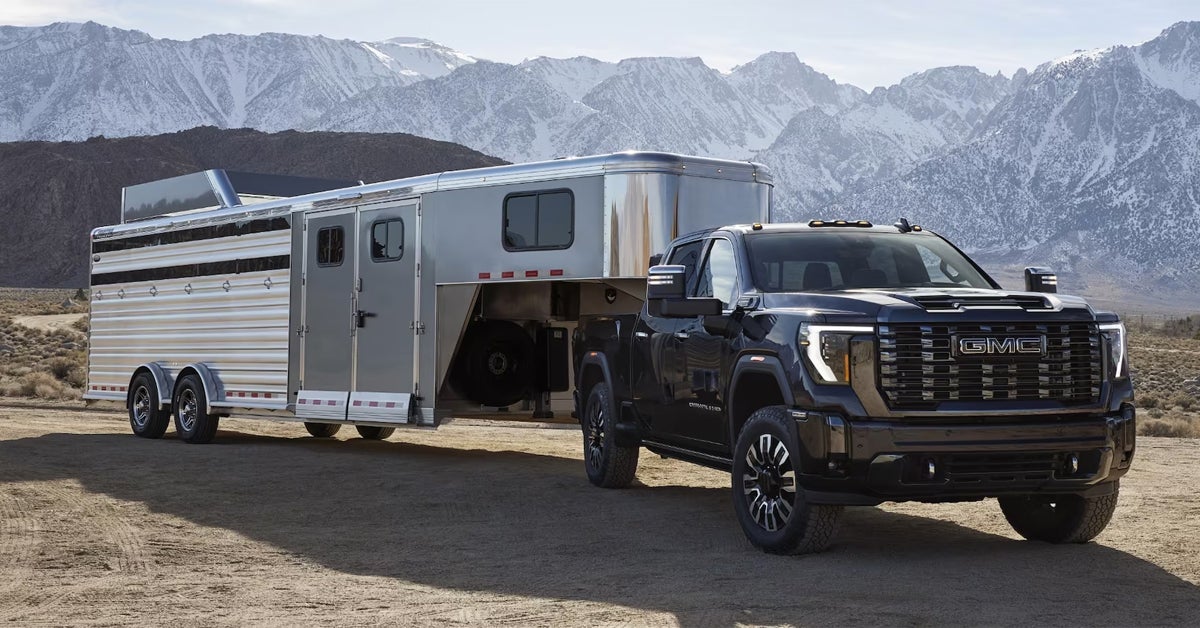
Hitching a trailer to your truck when you’re alone might seem challenging at first, but with the right approach, it becomes a straightforward task. Whether you’re preparing to tow a boat in Ozello, move equipment in Lecanto, or head out on an adventure around Crystal River or Homosassa, knowing how to hitch a trailer by yourself is a valuable skill. This guide will walk you through the basics of solo trailer hooking, helping you handle your truck towing setup safely and confidently with your GMC Sierra 1500, 2500, or 3500.
At Eagle Buick GMC, we understand the importance of having the right truck and knowledge to get the job done. If you want to upgrade your towing experience or need expert tips tailored to your Sierra, don’t hesitate to visit or contact us. We’re proud to serve the Crystal River area and are here to help you make every hitching job easier and safer.
How Can You Safely Hitch a Trailer to Your Truck When You're Alone?
Hitching a trailer to your truck by yourself might seem hard at first, but it becomes easy with practice. If you own a GMC Sierra 1500, you already have a truck made for towing with strong power and helpful features like a backup camera. Learning how to hitch trailer truck alone means you can handle your towing needs without waiting for someone else.
To hitch your trailer safely when alone, follow these steps:
- Find a flat and level spot to park your truck and trailer. This keeps things stable.
- Use your truck’s backup camera and side mirrors to keep track of the hitch ball and coupler.
- Keep your driver’s door open. This helps you step out quickly to check your alignment.
- Adjust the hitch ball height so it matches the trailer’s coupler height. Lower it if needed.
- Move slowly and carefully; rushing can cause mistakes or damage.
These simple steps help you get your trailer hooked up without stress or guesswork.
What Should You Do Before Backing Up to the Trailer?
Before you begin solo trailer hooking with your GMC Sierra 2500, taking time to prepare makes the process much easier and safer.
Here’s what you need to do before backing up:
- Park both truck and trailer on a level surface to avoid rolling or tipping.
- Place wheel chocks behind the trailer wheels so it won’t move while you work.
- Open your driver’s door so you can check the hitch ball and coupler as you back up.
- Use the trailer jack to raise or lower the coupler to the right height. The coupler should be just above the hitch ball.
- Check your backup camera and side mirrors to plan your path.
- Visualize how you will back straight toward the trailer without hitting it.
By doing this prep work, you set yourself up for a smooth and safe hitching process.
How Do You Align the Hitch Ball and Trailer Coupler on Your Own?
Hitching trailer by yourself can be tricky, but the GMC Sierra 3500 offers strong towing power and helpful tech to make it easier. The most important part is getting the hitch ball and trailer coupler lined up just right.
Here’s how to do it step by step:
- Slowly back your truck toward the trailer while watching the hitch ball and coupler through your backup camera and mirrors.
- If you want extra help, put a small piece of tape or a bright marker on your hitch ball to help guide your view.
- Adjust the trailer jack up or down if the coupler isn’t level with the hitch ball.
- Keep moving slowly until the hitch ball is directly under the trailer’s coupler.
- When aligned, stop the truck, put it in park, and set the emergency brake to hold your truck still.
Taking your time and using these tips helps ensure a clean connection on your own.
What Are the Key Steps to Secure the Coupler and Attach Safety Chains?
Once the hitch ball and trailer coupler are aligned, the next step is to secure the connection. This is important for your truck towing setup and to keep everything safe on the road. The GMC Sierra 1500 has features designed for secure towing.
Follow these steps carefully:
- Use the trailer jack to lower the trailer until the coupler rests fully on the hitch ball.
- Close the coupler latch tightly and secure it with a pin or a lock to prevent it from opening while driving.
- Check that the hitch pin holding your ball mount is properly locked in place.
- Attach the safety chains in a crisscross pattern under the hitch. This helps catch the trailer if it ever disconnects.
- Leave enough slack in the chains for turning but make sure they don’t drag on the ground.
These steps will keep your trailer firmly attached and improve safety on the road.
How Do You Connect the Wiring and Test for a Safe Tow?
Knowing how to hitch trailer truck alone includes making sure your trailer’s wiring is connected properly. The GMC Sierra 2500 is built to make wiring and testing easy.
Here is how to connect and check your trailer wiring:
- Run the trailer wiring harness above the hitch ball and coupler to protect it from damage.
- Plug the trailer wiring connector into the truck’s socket, usually located near the hitch.
- Test all trailer lights: left and right turn signals, brake lights, hazard lights, and reverse lights if your trailer has them.
- Have someone press the brake and turn on the signals, or use a trailer light tester if you are alone.
- Double-check that all lights work correctly before you start driving.
Proper wiring and testing keep you safe and ensure other drivers see your signals on the road.
What Are the Best Tips for Hitching a Trailer by Yourself Without Stress?
Hitching a trailer alone can feel tricky at first. But with the right steps, solo trailer hooking becomes smooth and safe. The GMC Sierra 3500 offers great towing power and features to help you.
Here are some tips to keep stress low and success high:
- Pick a flat, open space. This helps keep the truck and trailer steady.
- Use your backup camera and mirrors. These tools guide your moves without guesswork.
- Keep your driver’s door open. It lets you step out fast to check your work.
- Mark your hitch ball. A small piece of tape or paint can make lining up easier.
- Raise or lower the trailer jack. Adjust until the coupler and hitch ball are even.
- Back up slowly and in small steps. Take your time to avoid mistakes or damage.
- Double-check all connections. Make sure the coupler and safety chains are tight and secure.
- Practice patience. Hitching by yourself takes time, but each try builds your skill.
Following these tips will help you feel calm and confident, even when hitching solo.
Which GMC Truck Is Right for Towing in Florida and Beyond?
If you need a truck for hitching trailer by yourself in Ozello or Lecanto, GMC has great options. The Sierra 1500 is a popular choice for drivers who want power and ease of use.
Here’s how it stacks up and what makes it a smart towing truck:
| Truck Model | Towing Capacity | Best For | Key Features |
| Sierra 1500 | Up to 13,200 lbs | Everyday towing and hauling | Backup camera, Trailer sway control |
| Sierra 2500 | Up to 18,500 lbs | Heavy loads and tough jobs | Stronger frame, Advanced towing tech |
| Sierra 3500 | Up to 36,000 lbs | Largest trailers and gear | Max towing power, Enhanced stability |
For solo trailer hooking, the Sierra 1500 offers just the right balance of size and tech. Its backup camera and towing aids help you line up the hitch ball fast. Whether in Crystal River or Homosassa, this truck handles most towing needs with ease. If you need more power, the Sierra 2500 or 3500 are built for the biggest hauls.
Choosing the right truck means less work and more safety every time you tow. Many drivers looking to hitch a trailer to their truck alone want quick, clear answers to key safety and setup questions. Knowing the best methods helps avoid damage, saves time, and ensures safe towing.
What’s the best approach to aligning the truck hitch with the trailer coupler solo?
The best approach is to use your backup camera and side mirrors to carefully line up the hitch ball with the trailer coupler. Keep your driver’s door open so you can step out easily and check alignment as you back up slowly in small steps. Marking the hitch ball with tape can also help guide your positioning.
Are backup cameras or spotter aids necessary or just convenient?
Backup cameras and spotter aids are not absolutely necessary but highly recommended. They make solo trailer hooking much easier and safer by improving visibility and reducing guesswork during alignment.
How do I safely test and secure the connection before driving off?
- Lower the trailer coupler onto the hitch ball until it sits fully and evenly.
- Firmly latch the coupler to lock it onto the ball.
- Insert a coupler pin or lock through the latch mechanism to keep it secure.
- Attach safety chains by crossing them under the hitch and hooking them to the truck’s frame.
- Make sure the chains have enough slack for turns but do not drag on the ground.
- Connect the trailer’s wiring plug to the truck’s socket above the hitch.
- Test the trailer’s brake lights, turn signals, hazard lights, and reverse lights by operating the corresponding truck controls.
- Confirm all lights and signals work properly before starting your trip.
Get Your Truck Tow-Ready with Eagle Buick GMC
Getting your trailer hitched the right way, even when you’re on your own, can save time, stress, and risk. If you’re in Ozello, Lecanto, Crystal River, or Homosassa, and want a truck that’s ready for the job, visit Eagle Buick GMC. We offer a wide selection of vehicles, including the Sierra 1500, Sierra 2500, and Sierra 3500.
Still have questions about what’s safe and legal on the road? You may want to learn how paper plate rules, how to tow without tickets, or even if you can fly a flag on your truck. These quick reads help you avoid fines and stay informed, whether you’re towing a trailer or just heading down the road. Explore more of our site and get the tips and tools you need before your next trip.
Disclaimer: All information is provided for general informational and entertainment purposes only. While we strive for accuracy, we cannot guarantee that all content is complete, current, or error-free. Any reliance you place on such information is strictly at your own risk. This article may include opinions and is not endorsed by, or officially affiliated with, any vehicle manufacturer or brand. Always consult official sources – such as the vehicle’s owner’s manual, authorized dealerships, or certified professionals – for the most up-to-date and personalized information.