


Did you know the color of your car could impact your fuel efficiency? It might sound surprising, but studies have shown that lighter-colored vehicles can be up to 2% more fuel-efficient than their darker counterparts. The reason? Heat absorption. Darker cars soak up more sunlight, causing higher interior temperatures and increased air conditioning use—both of which can take a toll on your MPG.
For drivers in sunny Florida cities like Crystal River, Homosassa, Ozello, and Lecanto, where the heat can be relentless, your car’s paint choice might make a small yet noticeable difference in fuel savings. Whether you're driving a fuel-conscious Buick Encore GX or a powerful GMC Sierra 1500, understanding how paint color influences efficiency can help you make smarter decisions on the road.
At Eagle Buick GMC, we’re here to help you find the perfect vehicle that balances style, performance, and efficiency. Stop by our dealership or contact us today to explore our lineup and learn more about getting the most out of every mile.
Does Color Actually Affect MPG?
When you think about improving your car’s fuel efficiency, you probably focus on things like tire pressure or driving habits. But what if the color of your vehicle also played a role? It might sound surprising, but your car’s color can have a small, yet noticeable impact on how much fuel you use.
The reason behind this comes down to heat absorption. Dark-colored cars, like black or deep blue, tend to absorb more sunlight compared to lighter shades like white, silver, or beige. This absorption results in increased temperatures, both inside and outside the car. As a result, your car's cooling system works harder to maintain a comfortable temperature, which in turn can reduce your MPG.
Key Points:
- Darker Colors: Absorb more sunlight, causing higher temperatures.
- Lighter Colors: Reflect more sunlight and keep the car cooler.
- Impact on Fuel Efficiency: Lighter-colored cars may use less energy on air conditioning, saving fuel.
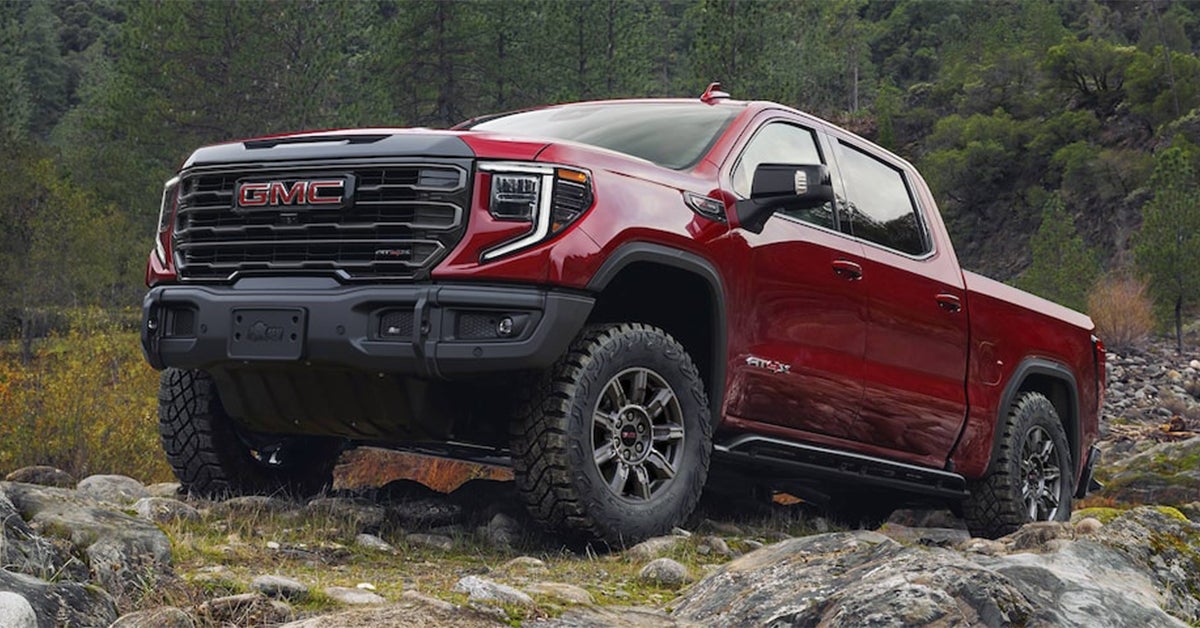
For example, a GMC Sierra 1500, with its larger cabin and rugged build, might use more fuel for cooling in hot weather if it’s painted dark. A lighter-colored model could help reduce this need, contributing to slightly better fuel efficiency.
How Heat Absorption Affects Fuel Consumption
Heat absorption is one of the main factors linking car color to fuel efficiency. The color of your car influences how much sunlight it absorbs, and this, in turn, affects how much energy is needed to keep the vehicle cool.
Darker-colored vehicles, such as black or navy blue, heat up more quickly in the sun. This results in a higher need for air conditioning, which uses more power and consumes more fuel. If you live in a hot climate like Homosassa or Lecanto, this effect can be even more noticeable.
How Heat Affects Different Colors:
Dark Colors (Black, Navy Blue, Dark Green):
- Absorb more sunlight.
- Higher interior temperatures.
- Increased use of air conditioning.
- Slight decrease in fuel efficiency.
Light Colors (White, Silver, Beige):
- Reflect more sunlight.
- Lower interior temperatures.
- Less reliance on air conditioning.
- Potential for better fuel efficiency.
For an SUV like the GMC Acadia, which has more cabin space, the difference in how quickly it heats up can be even more significant. A lighter-colored Acadia may stay cooler, requiring less A/C usage, and helping maintain fuel efficiency.
How Does Air Conditioning Affect Your MPG?
One of the biggest energy drains in your car is the air conditioning system. Whether you’re driving in the heat of Ozello or Crystal River, your A/C works hard to keep the inside of your vehicle comfortable. But did you know that the more you use your A/C, the more fuel it consumes?
Cars with darker paint colors tend to absorb more heat, which results in more frequent and longer use of air conditioning. This directly affects fuel efficiency because A/C puts a strain on your engine. For example, a Buick Envision with a darker exterior may require more A/C to stay comfortable in the summer heat, leading to slightly worse fuel economy compared to a lighter-colored model.
Effects of A/C on Fuel Economy:
- Air Conditioning Draws Power: The A/C system uses engine power, which translates to more fuel usage.
- Darker Colors = More A/C: Darker cars absorb more heat, requiring more A/C.
- Lighter Colors = Less A/C: Lighter cars reflect heat, needing less A/C, which can improve fuel efficiency.
This is a small but significant factor. When choosing a car color, especially in hot areas like Lecanto or Homossasa, the potential savings on fuel from using less A/C might make lighter-colored cars more appealing for some drivers.
The Role of Paint Weight in Fuel Efficiency
While you may not think about it often, the weight of the paint on your car could have a tiny impact on fuel efficiency. The type of paint used in your car’s finish, especially metallic or multi-layer coatings, can add a small amount of weight to the vehicle.
Though the effect of paint weight is minimal, it’s still part of the overall picture. Any added weight in your car requires more energy to move it, and that can slightly lower fuel economy. For a larger vehicle like the GMC Sierra 1500, even a small change in weight could affect performance over time.
Paint Weight and Efficiency:
- Heavier Paint: Certain specialty paints add a slight amount of weight to the vehicle.
- Increased Weight: More weight can reduce fuel efficiency, though the effect is small.
- Minimal Impact: The role of paint weight is far less significant than driving habits or tire pressure.
Ultimately, while paint weight has a minor role in fuel efficiency, it's not something that should be the deciding factor when choosing a car color. Instead, consider the other factors, like climate and air conditioning needs.
Does Your Car's Color Impact Aerodynamics?
Another aspect of car color that can influence fuel efficiency is aerodynamics. The paint finish on your car can affect how air flows over the surface, which impacts the vehicle’s drag. In general, a smoother, glossy finish will allow air to flow more smoothly, reducing drag and improving fuel efficiency.
However, some matte or textured finishes may slightly increase surface friction, causing air to drag more. This could potentially lead to a minor reduction in fuel economy. For instance, a GMC Sierra 1500 with a glossy paint job might experience less drag compared to one with a rougher matte finish.
Paint Finish and Aerodynamics:
- Glossy Finish: Smoother airflow, less drag, better fuel efficiency.
- Matte Finish: Increased friction, slightly more drag, small potential drop in MPG.
It’s important to remember that the effect on MPG from paint finish is very small compared to other factors, but keeping your vehicle clean and well-maintained can help reduce drag and improve overall fuel efficiency.
What Factors Affect Fuel Efficiency in a GMC or Buick?
While color can influence fuel efficiency, it’s far from the only factor. Many other elements contribute to how many miles per gallon your vehicle gets. It’s important to look beyond just the paint job to make an informed decision.
Key Factors Impacting Fuel Efficiency:
- Tire Pressure: Low tire pressure increases rolling resistance, making your engine work harder and decreasing your MPG. Check your tire pressure monthly to ensure optimal efficiency.
- Driving Habits: Smooth acceleration, gradual braking, and maintaining a steady speed can help you get the most out of every gallon of gas. Sudden acceleration and hard braking waste fuel.
- Weight: Extra weight in your trunk or cargo area means the engine has to burn more fuel to move the vehicle. Removing unnecessary items can improve efficiency.
- Engine Type: A smaller, turbocharged engine can offer better fuel economy than a larger, naturally aspirated engine. Newer engine designs also improve fuel efficiency with better combustion and fuel management.
- Aerodynamics: The shape of your vehicle affects how much air resistance it encounters. Vehicles with sleek designs and aerodynamic features require less energy to move through the air, improving fuel economy.
- Fuel Type: Some vehicles perform better on premium fuel, while others are optimized for regular gasoline. Using the right fuel for your engine ensures it runs efficiently.
- Transmission: Automatic transmissions with more gears tend to be more fuel-efficient than older models with fewer gears. A manual transmission can offer better control over fuel consumption when driven efficiently.
For example, a Buick Envision with its fuel-efficient engine might get better MPG than a heavier SUV with an older powertrain, regardless of its color. These practical factors often have a greater effect on your fuel consumption than the color of your car’s paint.
Does the color of a car significantly change its temperature and thus fuel consumption?
Yes, darker-colored cars absorb more heat than lighter ones. This can make the interior warmer, leading to increased air conditioning use, which slightly reduces fuel efficiency. However, the impact on MPG is usually minor.
Are lighter-colored cars proven to reflect heat better than darker ones?
Yes, lighter colors like white, silver, and beige reflect more sunlight, keeping the car cooler. Darker colors absorb more heat, making the interior warmer. This difference can affect air conditioning use but does not drastically change MPG.
What scientific studies exist regarding vehicle paint and aerodynamic drag?
There is limited research on vehicle paint alone affecting aerodynamic drag. Most studies focus on vehicle shape, surface texture, and air resistance. While glossy finishes may reduce minor drag compared to rough or matte finishes, the impact is small.
Explore GMC and Buicks in Various Colors at Eagle Buick GMC
Choosing the right car goes beyond just color. If you’re in Ozello, Lecanto, Crystal River, or Homosassa, visit Eagle Buick GMC to explore our wide selection of vehicles. Whether you need the strength of the Sierra 1500, the space of the Acadia, or the comfort of the Envision and Encore GX, we have something for you.
While you're here, take a moment to learn more about Buick trim levels, discover how to remotely start your vehicle, or find out what to do if your key fob dies. We’re here to help with all your vehicle needs. Contact us today or visit our showroom to find the perfect car for you.