



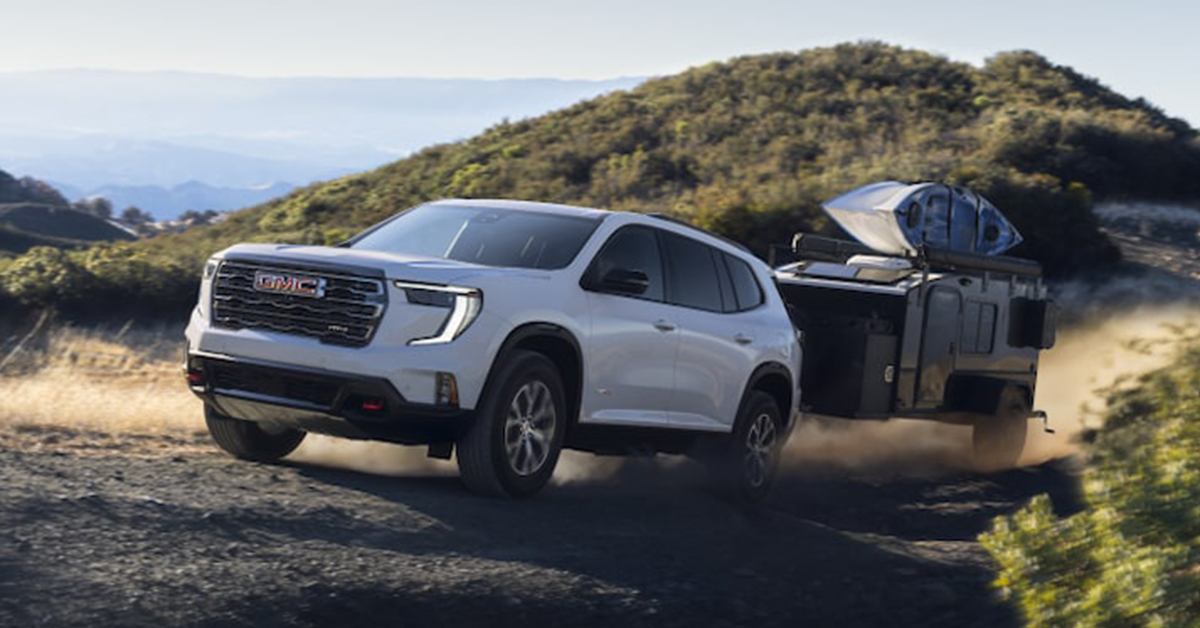
When it comes to hauling gear, equipment, or toys around Citrus County from the backroads of Ozello to job sites in Lecanto you need more than just a powerful truck. You need to know how to properly secure your trailer load. Whether you’re towing with a GMC Sierra 1500, Sierra 2500, or the heavy-duty Sierra 3500, strapping down your cargo the right way isn’t just smart it’s essential for safety, stability, and peace of mind.
In this blog, we’re diving into 7 must-know tips for strapping down your trailer like a pro. These practical, real-world strategies will help you avoid load shift, keep your gear intact, and stay compliant with road safety laws in places like Crystal River, Homosassa, and beyond.
And if you’re looking for a truck that’s built to haul with confidence, visit or contact Eagle Buick GMC where serious trailering capability meets small-town customer service. Let’s get into it.
1. Choose the Right Tie-Down Equipment for Your Trailer Load
Selecting the right tie-down equipment is crucial for safe towing. The right straps keep your cargo secure and prevent accidents on the road. Here are some tips to help you choose the best options for your needs.
- Use Ratchet Straps: These provide a strong hold. They are easy to use and allow for tight fastening.
- Select the Right Length: Make sure the straps are long enough for your load. Short straps may not secure larger items, while overly long ones can become tangled.
- Check Weight Limits: Always choose straps rated for more than your load weight. This ensures they will hold up during transit.
- Avoid Bungee Cords: While they may seem handy, they stretch and can snap. This can lead to loose cargo or damage.
- Use Axle Straps for Vehicles: These straps hook onto a vehicle’s axle. They help secure cars or other wheeled items safely.
- Choose Quality Materials: Look for heavy-duty nylon or polyester. These materials resist wear and hold up well under stress.
- Inspect Before Each Use: Always check your straps for signs of wear. If they show fraying or damage, replace them.
Using the right equipment makes a big difference. It ensures that your load is secure during travel, especially when towing with a GMC Sierra 1500. A well-secured trailer reduces risks and keeps you safe on the road.
2. Secure Trailer Cargo by Finding Reliable Tie-Down Points
Finding strong tie-down points is essential for securing your trailer cargo. These points anchor your straps and help keep your load in place. Here’s how to locate the best tie-down points.
- Look for Built-In Points: Most trailers have built-in tie-down points. Use these sturdy locations to anchor your straps securely.
- Use Your Truck’s Features: If you are using a Sierra 2500, take advantage of its truck bed anchors. They are designed to handle heavy loads.
- Check the Trailer Frame: The frame of your trailer is a strong option. Attach straps to the frame to ensure they hold well.
- Avoid Weak Spots: Do not tie down to places that may bend or break. Focus on solid structures that can handle weight.
- Use Anchor Rings: If your trailer has anchor rings, use them. They provide excellent support for your straps.
- Secure the Load at Multiple Points: It’s best to secure your cargo at several points. This helps to evenly distribute weight and reduces movement.
- Test the Tension: After strapping down, give each strap a tug. Ensure they are tight and secure to prevent shifting during transit.
By finding reliable tie-down points, you can secure your trailer cargo more effectively. A strong hold means a safer drive, especially when pulling with a GMC Sierra 2500. Taking the time to find the best spots will pay off on the road.
3. Balance Your Load for Stability and Safety
Balancing your load is vital for stability and safety while towing. An unbalanced trailer can lead to swaying, making it hard to control your vehicle. Here are some tips to ensure your load is balanced.
- Distribute Weight Evenly: Aim for about 60% of the weight at the front of the trailer. This helps maintain proper tongue weight and prevents swaying.
- Place Heavy Items First: Load the heaviest items closest to the front. This will help keep your trailer steady while you drive.
- Check Side-to-Side Balance: Make sure the load is balanced from side to side. An uneven load can cause your trailer to tip.
- Adjust as Needed: If you notice an imbalance, move items around. Adjust until the load feels stable.
- Use Weight Distribution Hitches: If you’re towing with a GMC Sierra 3500, consider using a weight distribution hitch. It helps balance the load and reduces sway.
- Regularly Inspect Load During Transit: After driving for a while, check to ensure nothing has shifted. Stop to make adjustments if needed.
- Practice Good Loading Habits: Always load items carefully and thoughtfully. This will make securing your load easier and safer.
Balancing your load is a key part of tie-down trailer safety. A well-balanced trailer is easier to handle and helps prevent accidents. When towing with a GMC Sierra 3500, focus on keeping your load balanced for the safest drive possible.
4. Use the “X” Strap Pattern for Added Stability
Using the “X” strap pattern can significantly improve the stability of your load. This technique helps prevent shifting and offers better control while driving. Here’s how to use this method effectively.
- Cross Your Straps: Start by laying two straps across the load in an “X” shape. This creates a secure hold on all sides.
- Anchor Each End: Attach each end of the straps to solid tie-down points. This ensures they won’t come loose while driving.
- Tighten Evenly: Tighten both straps equally. This maintains balance and prevents one side from being too tight.
- Check for Movement: After securing, test the load for movement. If it shifts, adjust your straps to tighten further.
- Ideal for Larger Loads: This pattern works best for larger items or equipment. It holds them in place and keeps them steady.
- Works Well with Flatbeds: If using a flatbed trailer with a GMC Sierra 1500, the “X” pattern is very effective for securing larger cargo.
- Ensure Proper Tension: Don’t overtighten, as this can damage the load. Just ensure everything is snug and secure.
Using the “X” strap pattern is a smart way to enhance load stability. This method provides extra security, especially for heavier items. When towing with a GMC Sierra 1500, this technique is a must for keeping your cargo safe on the road.
5. Secure All Four Corners for Full Coverage
Securing all four corners of your load is essential for complete coverage and safety. This step prevents any movement and reduces the risk of accidents during transit. Here’s how to effectively secure all corners.
- Use Four Straps: Always strap down each corner of your load. This ensures that nothing can tip, slide, or bounce during travel.
- Attach at Solid Points: Make sure each strap is anchored to a secure point. This adds to the stability of your load.
- Check for Even Tension: After securing all four corners, check that the tension is even across the straps. This helps maintain balance and control.
- Reinforce Larger Loads: For larger items, consider adding additional straps as needed. This will provide even more security.
- Adjust for Changes in Weight: If you add or remove items, adjust the straps accordingly. This keeps everything secure as you drive.
- Inspect Before Departure: Always double-check your straps before leaving. A quick inspection can save you from major issues on the road.
- Tighten After Driving a Short Distance: After a few miles, stop and check your load again. This ensures that everything remains secure.
By securing all four corners of your trailer load, you enhance safety during transport. Properly securing your cargo is a critical aspect of 7 tips for strapping down your trailer. Whether you’re using a GMC Sierra 2500 or any other vehicle, this practice is essential for a safe journey.
6. Double Check and Adjust Strap Tension Regularly
After strapping down your cargo, it’s crucial to double-check and adjust strap tension. Proper tension keeps your load secure and prevents movement while driving. Here are some steps to ensure your cargo remains safe during your journey.
- Check Each Strap: Go around your trailer and inspect each strap. Ensure that they are tight and secure.
- Look for Slippage: After driving a short distance, stop to check for any slippage. If a strap has loosened, retighten it as needed.
- Test the Load: Give each strap a tug to see if it holds firm. If any strap feels loose, it needs adjusting.
- Adjust for Load Changes: If you add or remove items, adjust your straps accordingly. This keeps your cargo secure throughout the trip.
- Tighten Gradually: Avoid overtightening, which can damage the cargo or the straps. Instead, tighten gradually until they feel snug.
- Use Built-In Features: If you are using a Sierra 3500, take advantage of its built-in tie-down points. They help you secure your load more effectively.
- Regular Checks Are Key: Make it a habit to check strap tension every hour or so during long trips. This simple step helps prevent accidents and keeps your cargo safe.
By regularly checking and adjusting strap tension, you can ensure that your trailer cargo remains secure. Taking this precaution helps you drive with confidence, knowing your load is properly secured.
7. Protect Your Load with Covers and Tarps
Covering your load with tarps or covers is a vital part of securing it properly. This extra layer of protection keeps your cargo safe from the elements and road debris. Here are some tips for effectively using covers and tarps.
- Choose the Right Size: Select a tarp that fits your load well. A good fit helps prevent flapping during travel.
- Use Heavy-Duty Materials: Opt for strong, weather-resistant tarps. These materials protect against rain, wind, and sun damage.
- Secure the Edges: Use bungee cords or rope to secure the edges of the tarp. This keeps it in place and prevents it from blowing off.
- Cover Sensitive Items: If you are hauling items like furniture or equipment, a tarp will protect them from scratches and moisture.
- Inspect for Damage: Before each trip, check your tarp for wear and tear. If you notice any holes, replace it to ensure full protection.
- Use Nets for Extra Security: Consider using a cargo net over the tarp. This adds extra protection and keeps everything tightly secured.
- Keep Load Clean: A covered load helps keep your cargo clean and safe from dirt and debris. This is especially important for items that need to stay pristine.
Using covers and tarps is essential for tie-down trailer safety. They provide peace of mind knowing that your cargo is shielded from harm. If you’re hauling with a GMC Sierra 1500, ensure your load is covered properly for the safest journey.
What equipment do I need for properly securing a load on my trailer?
You will need ratchet straps, tie-downs, anchor points, and possibly axle straps. High-quality tarps and bungee cords are also helpful for covering and securing your cargo.
How do I ensure my cargo won’t shift or come loose during travel?
To prevent shifting, ensure that your load is balanced, secure all four corners with straps, and regularly check strap tension during your journey. Using the “X” strap pattern can also enhance stability.
Should I use specialized straps or chains for certain types of cargo?
Yes, specialized straps or chains may be necessary for certain types of cargo. For example, axle straps are ideal for securing vehicles, while heavy-duty ratchet straps are better suited for larger, bulkier items. Always choose straps that are rated for the specific weight and type of cargo you are transporting.
Be Trailer Ready With Eagle Buick GMC
If you’re looking to secure your trailer load with confidence, the team at Eagle Buick GMC is here to help. Whether you’re hauling a heavy load or taking a family road trip, we have a wide selection of vehicles to fit your needs. Visit us in Crystal River, Lecanto, Ozello, or Homosassa and explore our range of trucks, including the Sierra 1500, Sierra 2500, and Sierra 3500. These trucks offer the power and capability you need for any hauling task.
While you’re here, check out some of our other helpful resources. If you’re curious about different Buick trim levels or wondering how to start your Buick in case of key fob issues, we’ve got answers ready for you. Learn more about these topics by reading our guide on how to remotely start your Buick or how to troubleshoot your Buick key fob battery.
Explore our inventory and find the right vehicle for your needs. Don’t hesitate to contact us with any questions or visit us today.
Connect with us


- July 2026
- June 2026
- April 2026
- January 2026
- November 2025
- October 2025
- September 2025
- August 2025
- July 2025
- June 2025
- May 2025
- April 2025
- March 2025
- February 2025
- January 2025
- December 2024
- November 2024
- October 2024
- September 2024
- August 2024
- July 2024
- June 2024
- May 2024
- April 2024
- March 2024
- February 2024
- January 2024
- December 2023
- November 2023
- October 2023
- September 2023
- August 2023
- April 2023
- February 2023
- December 2022
- November 2022
- October 2022
- September 2022
- August 2022
- July 2022
- June 2022
- May 2022
- April 2022
- March 2022
- February 2022
- January 2022
- December 2021
- September 2021
- August 2021
- June 2021
- May 2021
- April 2021
- March 2021