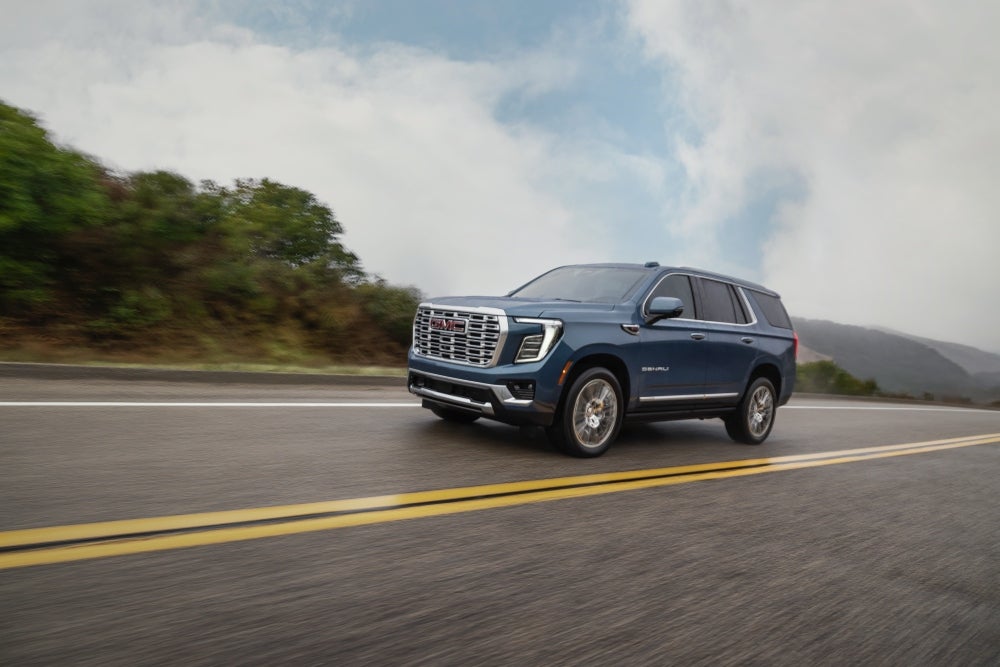



There’s nothing quite as annoying as a mysterious rattle coming from your GMC while you’re on the road. Whether it’s a loud noise that sounds like a helicopter or a subtle vibration that makes your whole car shake, it’s hard to ignore when something’s off with your ride. If you’re driving a GMC Terrain, Acadia, Sierra 1500, or Yukon XL in Crystal River, Sugarmill Woods, or Citrus Hills, rattling noises can be a sign of something simple—or something more serious. But don't worry! We're here to help you identify the most common causes and show you exactly how to fix them.
At Eagle Buick GMC, we know how important it is to keep your vehicle running smoothly and safely. If your GMC is making noise or rattling, don’t let it slide—visit us today, or give us a call to schedule a service appointment. Read on to learn about the top five reasons your GMC might be rattling, and how you can restore that quiet, smooth ride you deserve!
Your GMC’s Rattling Noise: What It Means for Your Ride in Crystal River, Sugarmill Woods, and Citrus Hills
A rattling noise coming from your GMC can be more than just an annoying sound. If your GMC is making noise, it could be a sign of something that needs fixing. Whether you drive a Terrain, Acadia, Sierra 1500, or Yukon XL, these sounds shouldn’t be ignored. They often point to an issue that could affect your vehicle’s safety or performance.
Living in Crystal River, Sugarmill Woods, or Citrus Hills means you’re no stranger to rough roads and frequent stops. Over time, these conditions can cause wear and tear on your GMC. A simple rattle might seem minor, but it’s often a signal that something isn’t quite right. You might notice the noise when you accelerate, brake, or even idle. In some cases, it can be loud enough to shake your whole car!
If you're hearing rattling, it's crucial to act fast. The longer you wait, the worse the problem could get. So, what does it mean when your GMC is making noise? Let’s break down the most common causes, so you can fix the issue before it becomes a major repair.
Loose or Worn-Out Exhaust Components: The Most Common Cause of GMC Rattling
One of the most common reasons your GMC is rattling is a loose or worn-out exhaust system. Over time, the heat shields, pipes, or muffler can loosen, crack, or even develop holes. This can cause vibrations and rattling sounds, especially when accelerating or idling.
In models like the GMC Acadia, the exhaust system is under constant stress. If parts are loose, you may hear an engine rattling noise that seems to come from underneath the car. This can also make your vehicle sound louder than usual. The rattling is often most noticeable when driving at lower speeds or when the engine is idling.
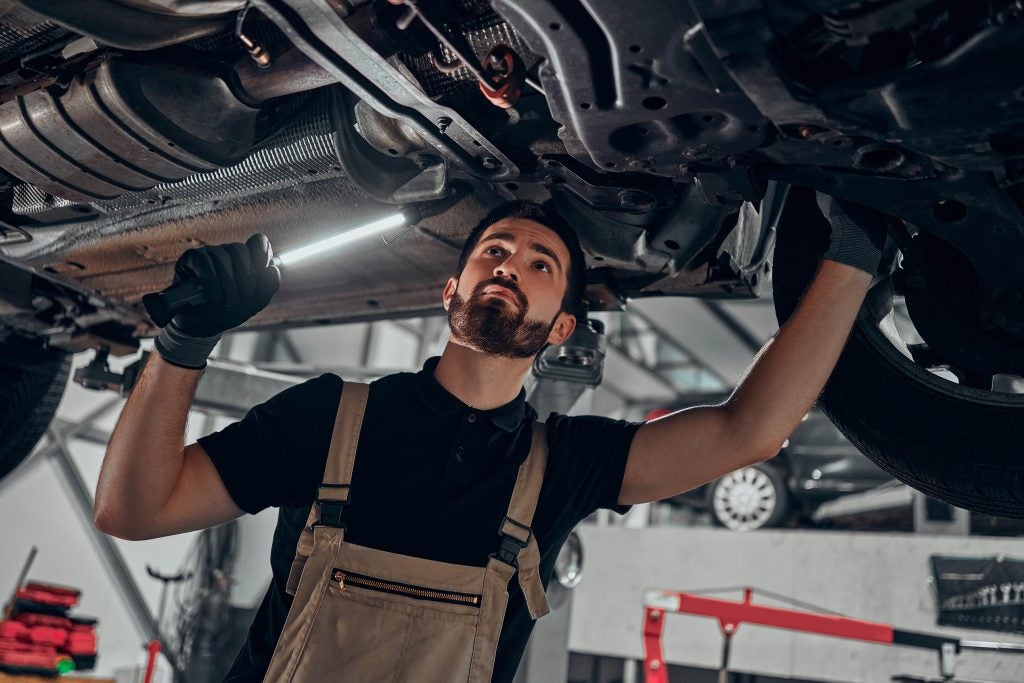
To fix this, you’ll need to inspect the exhaust system carefully. Check for loose bolts, damaged heat shields, or worn-out mufflers. Tightening or replacing these parts should fix the rattling. If the exhaust system is rusted or has serious damage, a full replacement might be necessary.
Ignoring a loose exhaust system can lead to bigger issues, like decreased engine performance or even exhaust leaks. It’s always better to address this problem sooner rather than later.
Suspension Problems: How Worn Shocks or Struts Contribute to the Rattle
If your GMC sounds like a helicopter when driving over bumps, the problem might lie with the suspension. The suspension system helps absorb shock and keeps your ride smooth. But over time, parts like shocks, struts, or control arms can wear out. When they do, they often cause a rattling noise.
In trucks like the GMC Sierra 1500, suspension issues are common. Worn-out struts or shocks can lead to a clunky or bouncy ride. When the suspension isn’t working right, you might notice rattling noises, especially on rough roads. The noise is usually loudest when going over potholes, speed bumps, or uneven surfaces.
To fix this, start by inspecting the suspension components. Look for signs of damage or excessive wear. If any parts seem loose, they might need tightening or replacing. Worn-out struts or shocks should be replaced as soon as possible to restore your ride quality.
Ignoring suspension problems can lead to a rougher ride and more serious damage over time. It’s best to take care of this issue before it gets worse.
Loose Trim Pieces Inside and Outside the Cabin
Not all rattling noises come from the engine or suspension. Sometimes, the cause is something as simple as loose trim. Trim pieces, whether inside the cabin or on the outside of your GMC, can loosen over time. When they do, they can rattle and shake, creating annoying noises.
If your GMC Yukon XL is making strange sounds from inside, check the door panels or dashboard. Loose screws, clips, or fasteners are often the culprit. Even small pieces, like a loose mirror or molding, can cause the whole car to shake.
Check both the inside and outside of your vehicle. Look around the dashboard, doors, and even the rearview mirror. Tightening or replacing any loose trim parts will usually stop the rattling.
If a trim piece is cracked or broken, it may need to be replaced. While this is a minor issue, it’s still worth fixing. Ignoring it can lead to more noise and potential damage to other parts.
Brake Components: Worn-Out Pads or Rotors Could Be the Source of the Rattle
If your GMC is making noise when you brake, it could be a sign of worn-out brake components. Brake pads, rotors, and calipers all wear down over time. When these parts are damaged or misaligned, they can cause a rattling or grinding noise.
In vehicles like the GMC Terrain, brake issues are common. A rattling sound when you press the brake pedal often means the brake pads are too thin. If the rotors are worn or warped, the noise can get even worse. You may also hear the noise when you’re slowing down or stopping.
To fix this, inspect your brake pads and rotors for wear. If the pads are thin or the rotors are damaged, replace them. Make sure the brake components are properly aligned and free of debris.
Neglecting brake issues can lead to more serious damage, and it could even affect your safety. If you’re hearing rattling when braking, it's best to address it right away.
Engine Components: What to Do If Your GMC Engine is Making Noise
If your GMC engine is making noise, it could be a sign of a serious issue. Engine rattling, especially when accelerating or idling, shouldn’t be ignored. In models like the GMC Acadia, this noise can point to problems with components like the timing chain, serpentine belt, or pulleys.
A loose timing chain or worn serpentine belt can cause a rattling sound. This noise might be most noticeable when the engine is idle or revving up. If left unchecked, these problems can lead to more severe engine damage.
To fix this, start by checking for loose or damaged parts. Look for wear on the timing chain or belt. If these parts are damaged, they should be replaced. It’s also a good idea to have a professional inspect your engine to ensure everything is properly aligned.
Ignoring engine rattling can lead to expensive repairs. Catching the problem early can save you time and money. If you're unsure about the cause, bring your GMC Acadia in for a full engine inspection.
Regular Maintenance: The Key to Avoiding Rattling in Your GMC
If your GMC sounds like a helicopter or is rattling when you drive, regular maintenance can help prevent this. Keeping up with routine checks ensures your vehicle stays in top shape and avoids costly repairs. For GMC models like the Sierra 1500, simple maintenance can prevent many common issues that cause rattling.
Regular oil changes, brake inspections, and exhaust system checks are crucial. These services catch problems early, before they turn into bigger ones. Checking your suspension, trim, and engine components at regular intervals also helps keep everything running smoothly.
If you stay on top of maintenance, rattling noises can be prevented. A well-maintained vehicle, whether it’s your Terrain or Acadia, runs quieter and lasts longer. It also saves you money by avoiding major repairs down the road.
Make maintenance a priority. Schedule routine checks and address minor issues before they get worse. It’s a small investment that pays off in the long run.
When to Seek Professional Help for Your GMC Rattle
If your GMC is making noise and you can’t figure out the cause, it’s time to seek professional help. When your whole car shakes or the rattle doesn’t go away, it’s a sign that the problem might be more complex. This is especially true for models like the GMC Yukon XL, which may have more advanced systems at play.
If you’ve tried to identify the source but can’t find it, don’t wait. A rattling noise could point to a serious issue that needs immediate attention. Ignoring it could lead to further damage or safety risks.
Also, if the noise seems to come from the engine, suspension, or brakes, professional help is a must. These systems are critical for your vehicle’s performance and safety. A mechanic can inspect these parts in detail and make the necessary repairs.
Don’t take chances. If your GMC is rattling and you can’t pinpoint the issue, visit Eagle Buick GMC. Our experts will help get your vehicle running smoothly again!
Maintaining a Quiet, Smooth Ride: Preventing Rattles and Ensuring Long-Term Performance
To keep your GMC running smoothly and quietly, regular maintenance is key. If your GMC is making noise, especially if you drive a Terrain, it could be a sign that something needs attention. Preventing rattles and ensuring long-term performance starts with staying on top of basic upkeep.
Make sure to check your vehicle's exhaust system, suspension, and brakes. These are the areas most likely to cause rattling noises. Regularly inspect and replace worn-out parts before they lead to bigger problems.
Driving habits matter too. Try to avoid rough roads or sudden impacts, which can strain your vehicle’s components. Keep your tires properly inflated and your oil changed on schedule. This simple care keeps everything running quietly.
Taking care of small issues now prevents bigger ones later. By addressing rattles early, you can enjoy a quiet, smooth ride for years to come. With a little effort, your GMC will continue to perform at its best, whether you're driving through Crystal River or on a long road trip.
FAQ
Why is your GMC rattling while driving?
If your GMC is rattling while driving, it could be caused by several factors. Common causes include loose or worn-out exhaust components, suspension issues, loose trim pieces, worn brake components, or even engine problems. The noise could also be coming from a part that is loose, damaged, or misaligned.
Ready to Address Your GMC Rattle? Explore More at Eagle Buick GMC!
If you’re hearing strange rattles or noises from your GMC, don’t wait—our team at Eagle Buick GMC is here to help! We offer expert advice, top-notch service, and a wide range of solutions to keep your vehicle running smoothly.
While you're here, explore more of our site! If you're considering upgrading, check out the Seating Capacities in the 2025 Buick Lineup to find the best fit for your needs. Curious about the effects of Florida’s humidity on your vehicle? Our article Does Florida's Humidity Affect the Roads? has you covered. And if you're looking for great deals, be sure to explore our Buick Lease Specials in Homosassa, Florida.
At Eagle Buick GMC, we’re not only committed to keeping your vehicle in top condition, but we also offer flexible financing options to make your car purchase easier. And if you need a quick fix or routine maintenance, our service department is ready to handle everything from minor repairs to major services.
Visit or contact us at Eagle Buick GMC today to schedule your appointment, explore our wide selection of vehicles, or learn more about financing options. Whether you’re in Crystal River, Sugarmill Woods, Citrus Hills, or Pine Ridge, we’re here to help you every step of the way!
Get Directions to Eagle Buick GMC
Disclaimer: All information is provided for general informational and entertainment purposes only. While we strive for accuracy, we cannot guarantee that all content is complete, current, or error-free. Any reliance you place on such information is strictly at your own risk. This article may include opinions and is not endorsed by, or officially affiliated with, any vehicle manufacturer or brand. Always consult official sources – such as the vehicle’s owner’s manual, authorized dealerships, or certified professionals – for the most up-to-date and personalized information.