



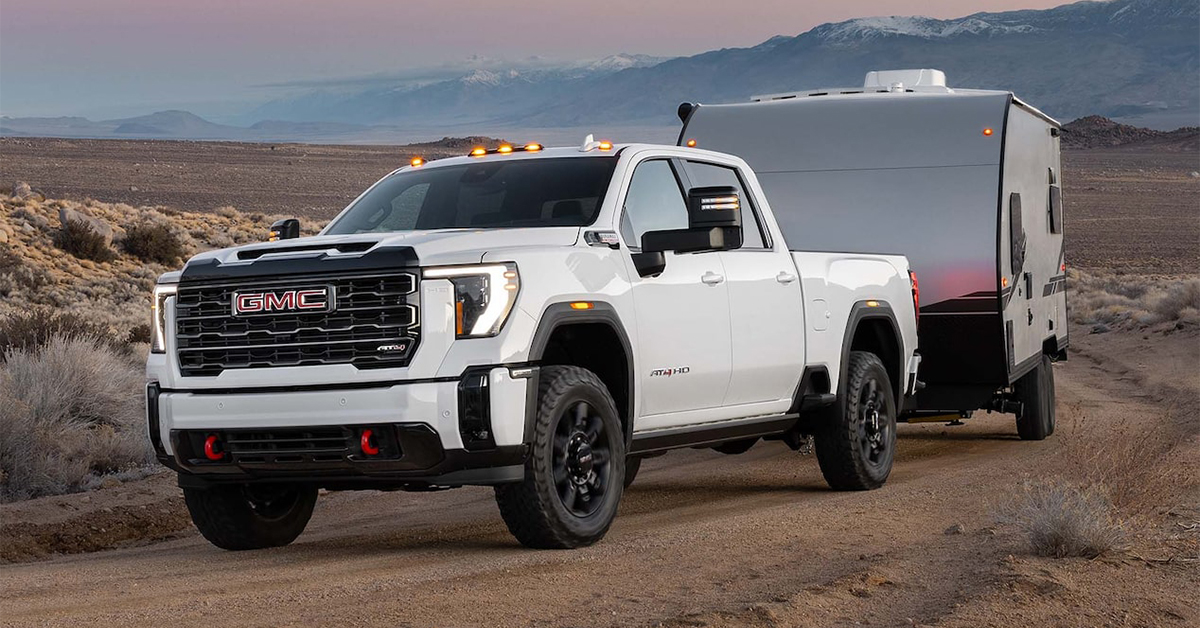
Towing a trailer can be a daunting task, especially with the added complexities that come with modern vehicles and trailers. Whether you’re heading out for a weekend camping trip, transporting equipment for work, or bringing your boat to the water, ensuring safety on the road is paramount. In 2025, with advancements in towing technology and regulations, it’s essential to stay informed and prepared. That’s where our complete towing safety checklist comes into play. From understanding your vehicle’s towing capacity to ensuring proper weight distribution and checking your lights, this guide will cover everything you need to know to tow with confidence.
If you have questions or need assistance, don’t hesitate to visit or contact Eagle Buick GMC. Our knowledgeable team is here to help you hit the road safely and securely with your GMC Sierra 1500, Sierra 2500, or Sierra 3500. With the right preparation and awareness, you can enjoy a smooth towing experience, no matter your destination. Let’s get started on your towing journey!
Step #1 Know Your Vehicle’s Towing Capacity
Before you hit the road, it’s essential to know how much your vehicle can tow safely. Every vehicle, including trucks like the Sierra 1500, has a maximum towing capacity, which is the highest weight it can handle. Exceeding this limit can put unnecessary strain on your vehicle and lead to safety hazards.
To find your vehicle’s towing capacity, check the owner’s manual or visit the manufacturer’s website. Here are some key things to keep in mind:
- Gross Vehicle Weight Rating (GVWR): This includes the weight of your vehicle and any load inside.
- Gross Trailer Weight (GTW): This is the weight of the trailer and its contents.
- Tongue Weight: This is the downward force the trailer applies to the hitch.
Always ensure that your trailer’s total weight doesn’t exceed your vehicle’s towing capacity. By doing this, you can enjoy a safer towing experience and minimize wear on your truck.
Step #2 Check the Trailer Hitch and Connection
A secure connection between your truck and trailer is critical to towing safely. Whether you’re using a Sierra 2500 or another truck, double-checking the hitch setup is a must. The hitch should be firmly attached, and the connection between the trailer and truck should be locked in place.
Here’s a quick checklist to inspect your hitch and connections:
- Hitch Mount: Ensure the hitch is properly installed and bolted securely.
- Hitch Pin and Clip: Confirm these are fully inserted and locked.
- Safety Chains: Cross the chains under the trailer tongue and attach them to your truck’s hitch.
- Electrical Connector: Make sure the plug is properly connected and secured.
This simple inspection will go a long way in preventing accidents while towing. If you notice anything unusual or loose, address it before driving off.
Step #3 Inspect the Trailer’s Lights and Wiring
Trailer lights and wiring are crucial for safety, especially when driving at night. Malfunctioning lights can lead to confusion for other drivers and increase the risk of accidents. It’s essential to check that your trailer’s brake lights, turn signals, and running lights are all functioning properly.
Follow these steps to inspect the lights and wiring:
- Turn on the Vehicle: Activate the lights and test them from a distance.
- Brake Lights: Check that the brake lights light up when you apply the brakes.
- Turn Signals: Ensure both left and right turn signals are working.
- Wiring: Inspect the wiring for any signs of wear or damage. Make sure connectors are secure.
Regularly checking these items is one of the most important safety steps you can take when towing. A well-lit trailer makes you visible to others and helps avoid accidents.
Step #4 Examine Tires for Safety
Tires play a key role in keeping both your truck and trailer safely on the road. Whether you’re driving with your Sierra 1500 or towing a larger trailer, make sure your tires are in excellent condition. Worn or underinflated tires can lead to blowouts, making the entire trip dangerous.
Follow these steps to check your trailer’s tires:
- Tire Pressure: Check the pressure with a gauge and inflate to the manufacturer’s recommended PSI.
- Tread Depth: Ensure the tread is not too worn, as this can reduce traction.
- Visible Damage: Look for cracks, cuts, or bulges that could indicate tire failure.
- Spare Tire: Don’t forget to check your spare tire for proper pressure and condition.
By inspecting your tires before each trip, you reduce the risk of accidents and ensure a smoother ride.
Step #5 Distribute Load Weight Properly
Proper weight distribution is key to safe towing. Unevenly distributed weight can affect the stability of both your vehicle and the trailer. Overloading the rear of the trailer or improper weight placement can cause swaying or even jackknifing.
Here’s how to distribute weight properly:
- Balance the Load: Place 60% of the weight in the front half of the trailer and 40% in the back.
- Secure the Load: Use straps and tie-downs to ensure the load doesn’t shift during transit.
- Tongue Weight: Ensure the tongue weight is around 10-15% of the total trailer weight for stability.
Proper weight distribution improves handling and safety. Follow these guidelines to ensure your towing experience remains smooth and safe.
Step #6 Test and Adjust the Braking System
Before towing, it’s vital to test and adjust your vehicle’s braking system. A well-functioning braking system ensures that both your truck and trailer can stop safely. Whether you’re driving a Sierra 3500 or another vehicle, always check your brakes before starting any journey.
Here are some key steps for testing and adjusting your braking system:
- Test the Brake Controller: Ensure that your trailer’s brake controller is working properly. Press the brake pedal and check that the trailer’s brakes activate.
- Adjust the Brake Controller: If you notice that the trailer is braking too hard or not enough, adjust the brake controller. This ensures a smooth and controlled stop.
- Check for Drag: When braking, your trailer should not drag or feel unbalanced. Test this by driving at low speeds and applying the brakes gently.
- Inspect the Brake Pads and Shoes: Examine the brake pads and shoes for wear. Worn brake components may need replacement to ensure effective stopping power.
By testing and adjusting your braking system, you improve both safety and performance while towing. Follow this checklist to ensure you’re ready for the road.
Step #7 Ensure Proper Mirror Adjustment and Visibility
Proper mirror adjustment is essential for safe towing. It ensures that you can see both your trailer and the road around you. Whether you’re driving a Sierra 1500 or another vehicle, your mirrors should be positioned correctly before setting off.
To adjust your mirrors for optimal visibility, follow these steps:
- Adjust the Side Mirrors: Your side mirrors should give you a clear view of the road behind and to the sides of your vehicle and trailer.
- Consider Blind Spots: Make sure you can see beyond the trailer’s sides. You may need additional towing mirrors to eliminate blind spots.
- Adjust the Rearview Mirror: Adjust the rearview mirror so that you can view the trailer’s position behind you.
- Check the Trailer’s Position: When the trailer is connected, you should be able to see it clearly in your mirrors without excessive movement.
Taking the time to adjust your mirrors improves your visibility and reduces the risk of accidents. With proper adjustments, you can tow with confidence and ease.
Step #8 Inspect Vehicle Suspension
A healthy vehicle suspension system is crucial when towing a trailer. Your suspension keeps the ride stable, especially when hauling heavy loads. Whether you drive a Sierra 2500 or another truck, ensuring your suspension is in good condition is vital for a safe towing experience.
Here’s how to inspect your vehicle’s suspension:
- Check for Leaks: Inspect your shock absorbers for signs of fluid leaks, as this indicates they may need to be replaced.
- Examine the Springs: Check the condition of the suspension springs. They should not be cracked or bent.
- Look for Excessive Wear: If your suspension is making noise or feels unusually stiff, it may be time for repairs.
- Test the Ride: Bounce the truck up and down and observe how it rebounds. It should stabilize quickly.
A well-maintained suspension system ensures your vehicle can safely carry the weight of the trailer. Regularly inspecting your suspension reduces the risk of breakdowns during your trip.
Step #9 Evaluate Weather Conditions for Safe Towing
Before hitting the road, always evaluate the weather conditions. Bad weather can affect your ability to tow safely, especially in windy or stormy conditions. Towing with a Sierra 3500 or any other vehicle requires more attention in adverse weather.
Keep these safety steps in mind when towing in challenging weather:
- Check the Wind Speed: High winds can make towing difficult, especially with large or high-profile trailers.
- Monitor Rain or Snow: Wet roads reduce traction, making it harder to stop quickly. Adjust your driving speed accordingly.
- Be Prepared for Fog: Fog limits visibility. Drive slowly and use your fog lights when necessary.
- Watch for Ice: Ice can be unpredictable, so avoid towing when icy roads are expected.
By evaluating the weather before towing, you can avoid dangerous situations. Always adjust your driving based on the conditions to ensure a safer journey.
Bonus Step 1: Practice Reversing Your Trailer
Reversing with a trailer is a skill that requires practice. Whether you’re driving a Sierra 1500 or another vehicle, mastering this skill is crucial for safe towing. It may feel tricky at first, but with the right techniques, you can handle reversing like a pro.
Follow these tips to improve your trailer reversing skills:
- Use Your Mirrors: Keep a close eye on your mirrors to monitor the trailer’s movement.
- Turn Slowly: Turn the steering wheel slowly to guide the trailer into the desired position.
- Use a Spotter: When available, have someone guide you as you reverse.
- Practice in an Open Area: Start in an empty parking lot or another open space to build your confidence.
Mastering reversing with a trailer makes parking and maneuvering much easier. Practice regularly to improve your skills and ensure safe towing on the road.
Bonus Step 2: Make Sure You’re Trailer is Stable
Maintaining trailer stability while towing is crucial for a safe journey. A stable trailer reduces the risk of accidents and ensures smoother handling. Keep an eye on your trailer at all times to make sure it stays in line with your vehicle. Whether you’re using a Sierra 2500 or any other vehicle, following these towing safety steps helps you maintain control.
Here are some important things to watch for:
- Watch for Sway: If your trailer starts swaying, slow down. Reduce your speed gently and avoid sudden movements.
- Monitor Trailer Alignment: Keep your trailer aligned with your vehicle. If it pulls to one side, check the load balance.
- Check Tire Pressure: Make sure the trailer’s tires are properly inflated. Uneven tire pressure can cause instability.
- Inspect Load Distribution: Ensure the weight of the load is evenly distributed. This prevents the trailer from tilting or swaying.
By monitoring trailer stability, you can improve safety and reduce the chance of an accident. Always stay alert and make adjustments as needed during your drive.
Bonus Step 3: Be Aware of Local Towing Laws and Regulations
Understanding towing laws and regulations is essential for safe and legal towing. Each state may have different rules, so always check the local laws before you tow. In addition to the vehicle you drive, the trailer and its load also need to meet legal requirements. Towing a Sierra 3500 or any other vehicle means following these important rules.
Here are key towing laws to consider:
- Maximum Trailer Weight: Know your vehicle’s maximum towing capacity. Never exceed this limit to avoid damaging your vehicle and trailer.
- Speed Limits: Some states have lower speed limits for vehicles towing trailers. Stay within these limits to avoid fines and accidents.
- Trailer Lights and Brakes: Ensure your trailer has functioning lights and brakes. These are often required by law for larger trailers.
- Safety Chains: Use safety chains to attach your trailer securely. This helps prevent the trailer from detaching in case of a hitch failure.
- License and Registration: Make sure your trailer is properly licensed and registered. This is often required by law in most states.
By staying informed about towing laws and regulations, you ensure that your trip is safe and compliant. Always review the rules before heading out.
Which safety checks should I perform on the trailer before towing?
Before towing a trailer, you should perform the following safety checks:
- Check Tow Capacity: Ensure your vehicle can safely tow the trailer’s weight.
- Inspect the Hitch: Confirm that the hitch is secure and properly attached.
- Verify Lights and Wiring: Test that all trailer lights (brake, turn signals, and taillights) are functioning.
- Examine Tires: Check tire pressure and inspect for any signs of damage or wear.
- Secure the Load: Ensure that all items in the trailer are properly secured.
- Test the Braking System: Make sure the trailer’s brakes are functioning correctly.
How do I verify that my truck is rated for the trailer’s weight?
To verify your truck’s towing capacity:
- Consult the Owner’s Manual: The manual will list the maximum towing capacity for your specific model.
- Check the Manufacturer’s Website: Look for towing specifications related to your vehicle’s make and model.
- Locate the VIN Sticker: This sticker may provide important information about your vehicle’s specifications, including towing capacity.
Keep Your Truck Trailer Ready with Eagle Buick GMC
As you prepare to hit the road with your trailer, it’s important to ensure both your vehicle and trailer are in top condition for safe towing. If you live in Ozello, Lecanto, Crystal River, or Homosassa, Eagle Buick GMC has a wide selection of trucks like the Sierra 1500, Sierra 2500, and Sierra 3500 to meet all your towing needs. Our knowledgeable team is here to assist with vehicle recommendations and provide any additional tips to help you tow with confidence.
If you’re looking to learn more about GMC vehicles and towing, be sure to check out our other helpful articles, such as how to remotely start your Buick or learn more about different GMC trim levels. Whether you’re exploring how to start your GMC or need assistance with key fob issues, we’re here to guide you every step of the way. Visit us today to find the right vehicle and keep your towing experience safe and enjoyable!
Connect with us


- July 2026
- June 2026
- April 2026
- February 2026
- January 2026
- November 2025
- October 2025
- September 2025
- August 2025
- July 2025
- June 2025
- May 2025
- April 2025
- March 2025
- February 2025
- January 2025
- December 2024
- November 2024
- October 2024
- September 2024
- August 2024
- July 2024
- June 2024
- May 2024
- April 2024
- March 2024
- February 2024
- January 2024
- December 2023
- November 2023
- October 2023
- September 2023
- August 2023
- April 2023
- February 2023
- December 2022
- November 2022
- October 2022
- September 2022
- August 2022
- July 2022
- June 2022
- May 2022
- April 2022
- March 2022
- February 2022
- January 2022
- December 2021
- September 2021
- August 2021
- June 2021
- May 2021
- April 2021
- March 2021