



Starting your journey as a new driver in Homosassa can be both exciting and a bit nerve-wracking. With its unique blend of bustling streets and serene backroads, our town offers a diverse driving experience that requires keen awareness and solid skills. In this guide, we’ll explore essential safe driving tips to help you navigate the roads confidently and responsibly. Whether you’re just getting your license or looking to sharpen your skills, these tips are designed to keep you and your passengers safe.
Mastering the Road: Safe Driving Tips for New Drivers in Homosassa
Starting to drive is a monumental step towards independence, but it comes with significant responsibility. As new drivers venture onto the streets and highways of Homosassa, it’s essential to adopt safe driving practices to ensure their safety and that of others. Here are comprehensive tips and advice on how to navigate different driving conditions, understand peak hours, and handle various weather scenarios.
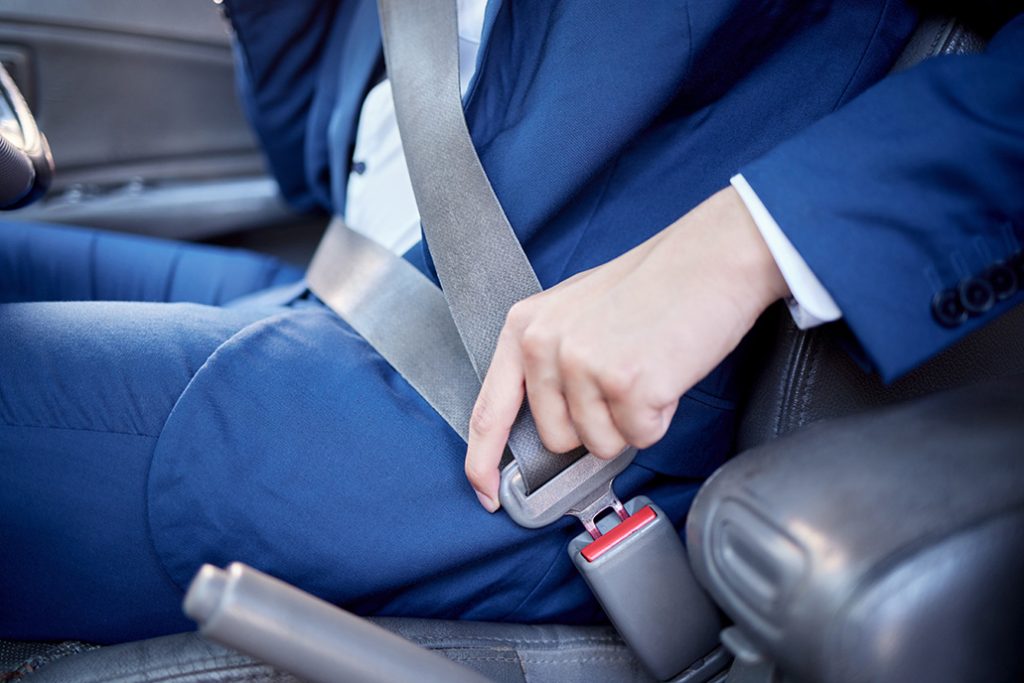
Understanding the basics of safe driving is the first step towards becoming a competent driver. Before even starting the car, it’s crucial to adjust your seat, mirrors, and steering wheel to ensure maximum comfort and visibility. Make sure your seatbelt is fastened and that all passengers are also buckled up. Safety begins with these small but vital steps. Once on the road, always adhere to speed limits. Speeding is one of the leading causes of accidents, and as a new driver, it’s essential to give yourself ample time to react to unexpected situations. Remember that the speed limit is the maximum allowed speed under ideal conditions. Adjust your speed according to traffic, road conditions, and weather.
Another fundamental aspect of safe driving is keeping a safe distance from the vehicle in front of you. The general rule is to maintain a three-second gap. This distance provides enough time to react and stop if the car ahead suddenly brakes. In adverse weather conditions, increase this distance to ensure safety.
Defensive driving is a critical skill that involves being aware of other drivers and anticipating potential hazards. Always stay alert and avoid distractions such as using your phone, eating, or adjusting the radio while driving. Keep your eyes on the road and frequently check your mirrors to stay aware of your surroundings. One often overlooked aspect of safe driving is the importance of maintaining your vehicle. Regularly check your tires, brakes, lights, and fluid levels to ensure everything is in working order. A well-maintained car is less likely to experience breakdowns or accidents.
Navigating Streets and Highways
Driving on streets and highways requires different skills and awareness levels. On city streets, you will encounter pedestrians, cyclists, and frequent stops at traffic lights and stop signs. Always yield to pedestrians at crosswalks and be mindful of cyclists sharing the road. Use your turn signals well in advance to inform other drivers of your intentions, and always obey traffic signals and signs.
When driving on highways, the dynamics change significantly. Merging onto a highway can be daunting for new drivers, but with practice, it becomes easier. Use the acceleration lane to match the speed of the highway traffic before merging. Always check your blind spots and use your mirrors to ensure it’s safe to merge. On highways, maintaining a consistent speed is crucial. Use cruise control if your vehicle is equipped with it, as it helps maintain a steady speed and can improve fuel efficiency. However, be prepared to take control immediately if traffic conditions change. Passing other vehicles on the highway should be done with caution. Always check your mirrors and blind spots before moving into the left lane to pass. Use your turn signal to indicate your intention to change lanes. Once you have safely passed the vehicle, signal again to return to your original lane. Exiting the highway requires advance preparation. As you approach your exit, signal and move into the exit lane well in advance. Reduce your speed to match the exit ramp speed limit and be prepared for any curves or stop signs at the end of the ramp.
Peak Hours and Traffic Conditions
Driving during peak hours can be stressful, especially for new drivers. Rush hour traffic in Homosassa typically occurs in the mornings when people are heading to work and in the late afternoon when they are returning home. During these times, roads can be congested, and tempers may run high.
To navigate peak hour traffic safely, plan your route in advance. Use navigation apps that provide real-time traffic updates and suggest alternative routes to avoid heavy traffic. Leave extra time for your journey to account for possible delays. Patience is crucial when driving in heavy traffic. Avoid aggressive driving behaviors such as tailgating, weaving between lanes, or honking unnecessarily. Maintain a safe distance from the car in front of you and be prepared for sudden stops. If you find yourself in a traffic jam, stay calm and focus on the road. Use the time to practice good driving habits, such as maintaining a safe following distance and staying in your lane. If traffic is moving slowly, avoid constantly switching lanes in an attempt to get ahead. This can increase the risk of accidents and does little to improve your travel time.
Handling Different Weather Conditions
Driving in various weather conditions requires specific skills and precautions. Homosassa experiences a range of weather, from sunny days to heavy rain and occasional fog. Each condition presents unique challenges that new drivers must be prepared to handle.
Rainy Conditions: Rain can significantly reduce visibility and road traction, increasing the risk of hydroplaning. When driving in the rain, turn on your headlights to improve visibility and make your vehicle more visible to others. Reduce your speed to allow more time to react to sudden stops or obstacles. Increase the following distance between your car and the one in front of you to provide extra stopping time. If you begin to hydroplane, ease off the accelerator and steer straight until you regain control. Avoid using cruise control in wet conditions, as it can increase the risk of losing control.
Foggy Conditions: Fog reduces visibility and can make it challenging to see other vehicles and road signs. Use your low-beam headlights or fog lights, as high beams can reflect off the fog and worsen visibility. Drive slowly and use road markings to help guide you. If the fog is very dense, consider pulling over to a safe location and waiting until it clears. Use your horn to alert other drivers of your presence if necessary.
Sunny Conditions: While sunny days are generally pleasant for driving, the sun’s glare can impair visibility. Keep a pair of sunglasses in your car to reduce glare. Use your sun visor to block direct sunlight. If the glare is severe, slow down and increase the distance between your vehicle and others. Clean your windshield regularly to remove dirt and streaks that can amplify the glare.
Night Driving: Driving at night requires extra caution due to reduced visibility and the potential for encountering impaired drivers. Ensure your headlights are clean and functioning correctly. Use your high beams on dark roads but switch to low beams when approaching other vehicles to avoid blinding them. Reduce your speed and increase the following distance to give yourself more time to react to potential hazards. Be particularly cautious in areas with poor lighting and watch for pedestrians and animals.
Cold Weather: Although Homosassa doesn’t experience extreme cold, cooler weather can still impact driving conditions. Ensure your tires are properly inflated, as cold temperatures can cause tire pressure to drop. Check your battery, as it can be affected by cold weather. If you encounter icy patches, drive slowly and avoid sudden movements. Use gentle steering and braking to maintain control.
Regardless of the weather, certain safety precautions should always be observed. Always wear your seatbelt and ensure all passengers do the same. Keep your vehicle well-maintained by regularly checking the tires, brakes, lights, and fluid levels. Keep an emergency kit in your car, including items like a first aid kit, flashlight, jumper cables, and basic tools. Stay focused on the road and avoid distractions such as texting or eating while driving. If you need to use your phone, pull over to a safe location. Be aware of your surroundings and anticipate potential hazards. Practice defensive driving by being prepared for the unexpected actions of other drivers.
As a new driver, gaining experience and confidence on the road takes time. Be patient with yourself and continue to practice good driving habits. Take advantage of opportunities to drive in different conditions and settings to broaden your experience. Remember that safe driving is not just about following the rules of the road but also about being courteous and respectful to other drivers. Yield to pedestrians, allow other cars to merge, and use your horn sparingly. By practicing these habits, you contribute to a safer driving environment for everyone.
Safe driving is a lifelong skill that requires continuous learning and awareness. Stay informed about new traffic laws and safety technologies, and never stop improving your driving skills. Whether you are driving through the streets of Homosassa or embarking on a highway journey, prioritize safety above all else.
Pre-Road Checklist for the New Driver
Before hitting the road, it’s essential to ensure both you and your vehicle are prepared for a safe journey. Here’s a comprehensive pre-road checklist every new driver should follow:
Adjust Your Seat and Mirrors:
– Ensure your seat is adjusted so you can comfortably reach all pedals and controls.
– Adjust your rearview and side mirrors to maximize visibility and minimize blind spots.
Fasten Seatbelts:
– Buckle your seatbelt and ensure all passengers are wearing theirs.
– Verify that child safety seats are properly installed and secured if you have young passengers.
Check Fuel and Fluid Levels:
– Ensure your fuel tank is sufficiently filled for your trip.
– Check the oil level and top it off if necessary.
– Verify other fluid levels, including coolant, brake fluid, windshield washer fluid, and transmission fluid.
Inspect Tires:
– Check the tire pressure and inflate tires to the recommended levels.
– Inspect tires for any signs of wear, damage, or punctures.
– Ensure you have a spare tire and that it is also properly inflated.
Test Lights and Signals:
– Verify that all exterior lights, including headlights, taillights, brake lights, and turn signals, are working correctly.
– Check the functionality of your interior lights as well.
Clean Windshield and Windows:
– Clean the windshield, windows, and mirrors to ensure clear visibility.
– Check that the windshield wipers are in good condition and replace them if needed.
Check Dashboard Indicators:
– Look for any warning lights on the dashboard and address any issues before driving.
– Ensure your vehicle’s instrument panel is functioning properly.
Secure Loose Items:
– Remove or secure any loose items inside the vehicle that could become projectiles in the event of a sudden stop or accident.
Set Up Navigation and Entertainment:
– Program your GPS or navigation system before you start driving.
– Set up any music or podcasts in advance to avoid distractions while driving.
Plan Your Route:
– Review your route and familiarize yourself with the directions to your destination.
– Check for any potential traffic issues or road closures.
Check Weather Conditions:
– Verify the weather forecast for your trip and prepare accordingly.
– If driving in adverse weather conditions, ensure your vehicle is equipped to handle them.
Emergency Kit:
– Ensure you have an emergency kit in your vehicle, including items such as a first aid kit, flashlight, jumper cables, and basic tools.
By following this pre-road checklist, you can ensure that you and your vehicle are ready for a safe and smooth journey. Remember, preparation is key to preventing issues and ensuring a pleasant driving experience.
Eagle Buick GMC Your Trusted Partner in Homosassa
As a new driver, it’s crucial to develop good habits early on. We’ll cover everything from understanding local traffic laws and the importance of regular vehicle maintenance to practical advice for handling unexpected situations on the road. Safe driving isn’t just about knowing the rules; it’s about anticipating potential hazards and making smart decisions that ensure a smooth and safe journey every time you get behind the wheel.
Becoming a proficient and safe driver takes time and practice. By following these tips and staying committed to continuous learning, you’ll build the confidence and skills needed to navigate Homosassa’s roads safely. Remember, driving is a privilege that comes with great responsibility. Stay alert, stay focused, and enjoy the freedom and independence that comes with mastering the road.
Eagle Buick GMC is here to help. With our expert team and a wide range of vehicles, we make sure you’re equipped for every journey. Check out our Buick Inventory and GMC Inventory for the latest models, or explore our Pre-owned inventory for great deals. Need financing? Our Financing options are tailored to fit your needs. Ready to start? Start your custom order today and visit our showroom for a test drive of your dream vehicle. We’re committed to helping you drive safely and confidently.
Connect with us


- July 2026
- June 2026
- April 2026
- January 2026
- November 2025
- October 2025
- September 2025
- August 2025
- July 2025
- June 2025
- May 2025
- April 2025
- March 2025
- February 2025
- January 2025
- December 2024
- November 2024
- October 2024
- September 2024
- August 2024
- July 2024
- June 2024
- May 2024
- April 2024
- March 2024
- February 2024
- January 2024
- December 2023
- November 2023
- October 2023
- September 2023
- August 2023
- April 2023
- February 2023
- December 2022
- November 2022
- October 2022
- September 2022
- August 2022
- July 2022
- June 2022
- May 2022
- April 2022
- March 2022
- February 2022
- January 2022
- December 2021
- September 2021
- August 2021
- June 2021
- May 2021
- April 2021
- March 2021